
Lanse, Michigan
Want to see how Lanse compares to other top cities in Michigan? Explore all city regulations in Michigan. →
Lanse, MI
Generally Investor Friendly
STR Regulations for Lanse, Michigan
OVERVIEW: Are Short-Term Rentals Allowed in L'Anse, MI?
Explicit Answer: Yes, short-term rentals appear to be allowed in L'Anse, Michigan, though no specific short-term rental ordinance has been identified. The Village of L'Anse operates under a comprehensive zoning ordinance adopted in March 2012 that establishes various residential and commercial districts where accommodation services can potentially operate.
The village's zoning framework recognizes several accommodation-related uses that would encompass short-term rental operations:
- Bed and Breakfast establishments are explicitly defined and regulated
- Tourist accommodation falls within commercial use categories in mixed-use districts
- Accessory Dwelling Units are permitted, which could potentially include STR arrangements
However, investors should note that L'Anse has not enacted specific short-term rental regulations like licensing requirements, occupancy limits, or host registration mandates that many Michigan municipalities have implemented. This creates both opportunities and uncertainties for STR operators in this market.
What do Airbnb hosts actually earn in Lanse?
Lanse hosts earn a median $27,682/year with $177 ADR and 65% occupancy.
Top performers pull in $33,396+ per year.
See the full Lanse market breakdownHow to Start a Short-Term Rental Business in L'Anse, MI
Step 1: Determine Zoning Compliance
The foundational step involves verifying that your property is located in a zoning district that permits accommodation uses. L'Anse's zoning ordinance establishes several districts where short-term rentals could potentially operate:
Mixed-Use Districts (M-1 and M-2): These districts are specifically designed to accommodate commercial and residential mix uses, making them prime locations for short-term rental operations. The Core Mixed-Use District (M-1) is positioned to maintain the village downtown core for economic and civic activities, while the Corridor Mixed-Use District (M-2) focuses on commercial corridors with walkable activity clusters.
Residential Districts: Traditional Neighborhood Residential (TN-R), Mixed Density Residential (M-R), and Suburban Neighborhood Residential (SN-R) districts may accommodate bed and breakfast operations as special land uses, subject to planning commission approval and compliance with specific standards.
Step 2: Establish Legal Structure
Given the lack of specific STR regulations, operators should structure their businesses conservatively:
- Register as a legitimate business entity with the State of Michigan
- Obtain appropriate insurance coverage, including liability protection
- Comply with Michigan tax obligations, including potential sales and use tax requirements
- Ensure property maintenance standards meet local health and safety requirements
Step 3: Operational Planning
Develop comprehensive operational procedures that anticipate future regulatory development:
- Create detailed guest policies and house rules
- Establish emergency response protocols
- Designate local property management arrangements if not owner-occupied
- Implement neighbor communication strategies to address community concerns
Required Documents, Permits, Licenses, and Guidelines
Municipal Requirements
Based on the current zoning framework, the following may be required:
Zoning Compliance:
- Verification of permitted use status in applicable zoning district
- Site plan approval for commercial accommodation uses in mixed-use areas
- Special use permit for bed and breakfast operations in residential districts
- Building permit compliance for any structural modifications
Business Registration:
- Michigan business registration with the Department of Licensing and Regulatory Affairs
- Potential village business license (verify current requirements)
- Sales tax registration with Michigan Department of Treasury if applicable
State-Level Requirements
Health Department Compliance:
- Septic system compliance verification (required under Article 10.05)
- Well water testing and safety compliance
- Food service permits if meals are provided (for bed and breakfast operations)
Insurance Requirements:
- Comprehensive liability insurance coverage
- Property damage coverage
- Guest injury protection
Tax Obligations:
- Michigan sales tax collection and remittance
- Potential use tax on rental income
- Federal tax reporting requirements
Safety and Accessibility Standards
- Compliance with Michigan Building Code requirements
- Smoke detector and carbon monoxide detector installation
- Emergency egress standards
- ADA accessibility considerations where applicable
Specific Regulations for Short-Term Rentals
Village of L'Anse Zoning Framework
Bed and Breakfast Regulations: The zoning ordinance specifically addresses bed and breakfast operations with the following parameters:
- Defined as commercial use subordinate to principal single-family dwelling
- Transient guest accommodation (less than 30 consecutive days)
- Compensation-based lodging with potential meal service
- Subject to special use approval in residential districts
Mixed-Use District Opportunities: Commercial accommodation uses are permitted by right or special use in mixed-use districts, providing clearer pathways for short-term rental operations without the residential compatibility requirements of bed and breakfast establishments.
Accessory Dwelling Unit Framework: The ordinance recognizes accessory dwelling units as separate and complete dwelling units established in conjunction with and clearly subordinate to principal dwelling units, either within the same structure or in accessory structures on the same lot.
Michigan State-Level Regulatory Context
House Bill 4722 Impact: While not yet adopted, House Bill 4722 represents significant potential statewide changes that would:
- Classify short-term rentals as permissible residential use in all zoning districts
- Limit local municipal authority to regulate STRs as commercial enterprises
- Standardize regulatory approaches across Michigan communities
- Provide property owners with enhanced rights to engage in rental activities
Existing State Framework: Michigan currently operates under a local control model where municipalities retain significant authority to regulate short-term rentals through zoning ordinances, business licensing, and health/safety requirements.
Baraga County Considerations
No specific Baraga County short-term rental regulations were identified in the provided materials. County-level involvement typically focuses on health department oversight, road access standards, and environmental compliance for properties utilizing septic systems.
Contact Information for Local Authority
Village of L'Anse Administration
Village Manager/Clerk:
- Phone: Contact Village Hall at [Phone number to be verified]
- Email: Contact Village Hall at [Email to be verified]
- Address: Village of L'Anse, [Specific address to be verified]
- Website: [Village website to be verified]
Planning and Zoning Department:
- Direct contact for zoning compliance verification
- Special use permit applications for bed and breakfast operations
- Site plan review coordination
- Variances and zoning appeals administration
Building Department:
- Building permit processing
- Code compliance inspections
- Safety standard enforcement
- Certificate of occupancy issuance
Baraga County Health Department
- Phone: [Number to be verified]
- Email: [Email to be verified]
- Address: [Address to be verified]
- Responsibilities: Septic system approvals, well water testing, food service permits
State-Level Contacts
Michigan Department of Licensing and Regulatory Affairs (LARA):
- Business registration and licensing
- Consumer protection standards
- Professional licensing requirements
Michigan Department of Treasury:
- Sales tax registration and compliance
- Tax policy guidance
- Revenue reporting requirements
Michigan Department of Health and Human Services:
- Public health standards
- Food service regulations
- Safety guideline enforcement
Links to Source Pages
Primary Municipal Documents
- Village of L'Anse Zoning Ordinance (March 2012): www2.dnr.state.mi.us/publications/pdfs/ForestsLandWater/tree_ordinances/LAnse.pdf
- This comprehensive 200+ page document establishes the complete zoning framework for L'Anse
- Contains definitions, permitted uses, and development standards
- Includes bed and breakfast regulations and mixed-use district provisions
State-Level Regulatory Resources
- Michigan Short-Term Rental Laws and Regulations Overview: www.steadily.com/blog/airbnb-short-term-rental-laws-and-regulations-in-michigan
- Comprehensive overview of Michigan STR regulatory landscape
- Discussion of House Bill 4722 and proposed statewide changes
- Municipal response examples and regulatory trends
- Host compliance guidelines and best practices
Additional Regulatory Context Sources
- Michigan Advance - STR Regulation Coverage: michiganadvance.com/2022/11/27/whats-next-in-the-fight-over-regulating-short-term-rentals-in-michigan/
- Legislative updates and policy analysis
- Industry stakeholder perspectives
- Regulatory timeline and implementation considerations
Insurance and Risk Management Resources
- Michigan Landlord Insurance Requirements: www.steadily.com/states/michigan
- State-specific insurance coverage requirements
- Risk management best practices
- Compliance documentation standards
Investment Considerations: The absence of specific short-term rental regulations in L'Anse presents both opportunities and risks for investors. While the regulatory environment is currently permissive, the evolving statewide landscape, particularly potential adoption of House Bill 4722, could significantly impact future requirements. Investors should conduct thorough due diligence, maintain conservative operational standards, and stay informed about emerging regulatory developments at both municipal and state levels.
Next step
Found a property in Lanse?
Paste any address and get estimated revenue, cash-on-cash return, and comparable STR performance in under 5 minutes. 3 free analyses per day.
Free brief
Get the free Lanse STR Investment Brief
Revenue data, top neighborhoods, seasonal trends, and the key regulations for Lanse, Michigan in one email.
Lanse
Market Saturation Score
Photos of Lanse


Overview of Lanse
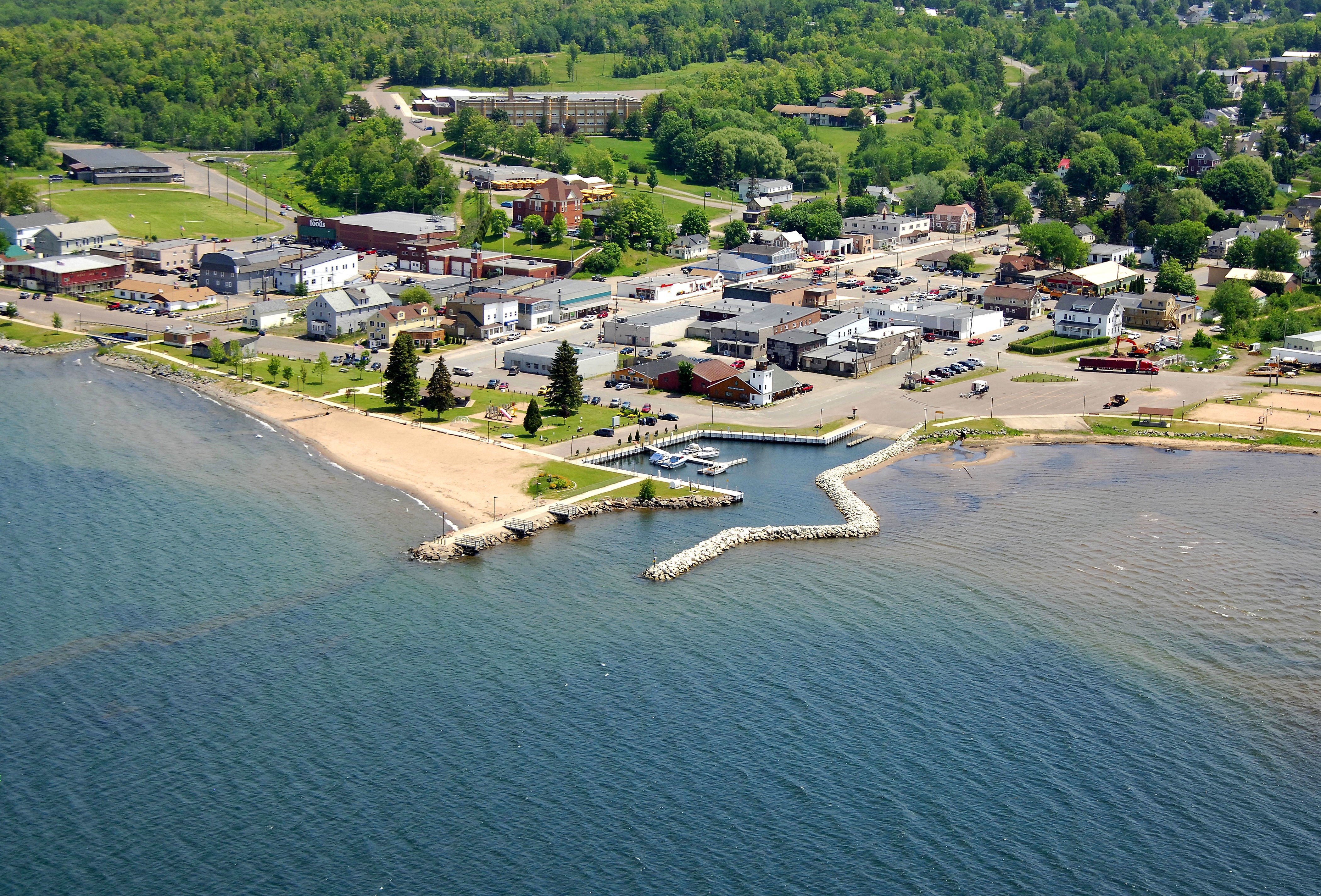
Lanse is a small unincorporated community in Baraga County, in Michigan's Upper Peninsula, with a population of roughly 1,900 residents. It sits along US-41 on the southern shore of Keweenaw Bay, an arm of Lake Superior, and carries the quiet, working-class character typical of Upper Peninsula lumber and shipping towns. The community is best known as a waypoint for travelers heading toward the Keweenaw Peninsula and the rugged Lake Superior shoreline, and it serves as a convenient base for visitors exploring the forests, waterfalls, and historic copper-mining country of the western U.P. The nearest sizable city is Marquette, which lies approximately 55 miles to the southeast along the Lake Superior shoreline.
Just a few miles west of town, Baraga State Park stretches along Keweenaw Bay and offers a campground, a swimming beach, and one of the most photographed views in the region, with the silver sweep of Lake Superior framed by distant hills. The park is a popular stop for families and fishermen, and from Lanse it is only a short drive, roughly ten minutes or so, making it an easy day trip for rental guests who want big-lake scenery without venturing far from their front door.
To the north, the Keweenaw Peninsula unfolds across more than fifty miles of dramatic Lake Superior coastline, dotted with former mining towns such as Calumet and Hancock, the twin cities of Houghton, and the harbor village of Copper Harbor at the very tip. Visitors come for the fall colors, the snowmobiling and skiing in winter, the lighthouse at Copper Harbor, and Fort Wilkins Historic State Park, a restored mid-nineteenth-century army post. From Lanse, the drive to the heart of the Keweenaw takes about an hour and a half, depending on conditions, and the route itself is considered one of the most scenic in the Midwest.
To the south and west of Lanse, the Ottawa National Forest spreads across a vast tract of hardwood and pine country. Within it, Bond Falls is a wide, cascading waterfall on the Ontonagon River that draws visitors year-round for its easy viewing platforms, picnic areas, and winter ice formations. The falls are roughly a 45-minute drive from town, and they pair well with a day of leaf-peeping in autumn or wildflower walks in summer. Together, these nearby draws give Lanse a wide radius of things to do despite its modest size.
Lanse's appeal for short-term rentals comes from this combination of small-town quiet and access to some of the Upper Peninsula's most recognizable natural attractions. Guests who stay here can spend a morning on Keweenaw Bay, an afternoon hiking near a thundering waterfall, and an evening watching the sunset over Lake Superior, all without battling the busier crowds found in Marquette or at the end of the Keweenaw. For owners, that balance of peaceful setting and broad regional appeal makes Lanse a particularly steady base for travelers exploring Michigan's north country.
Want to know if a property in Lanse is a good investment?
Enter an address to get instant revenue potential and comps.