
Iron River, Michigan
Want to see how Iron River compares to other top cities in Michigan? Explore all city regulations in Michigan. →
Iron River, MI
Generally Investor Friendly
STR Regulations for Iron River, Michigan
Overview: Are Short-Term Rentals Allowed in Iron River, MI?
Yes, short-term rentals (STRs) are explicitly allowed in Iron River, Michigan. Short-term rentals, commonly referred to as "Airbnb-style" accommodations, are legal but regulated in Iron River and throughout Iron County. The area has embraced STRs as a legitimate business model, particularly given the region's rural character and tourism-driven economy. Iron County has positioned itself as a destination for outdoor recreation and nature tourism, with rustic cabins and rural homes serving as popular STR offerings that appeal to tourists year-round.
The Iron County Board maintains regulatory oversight of STRs, with the authority to establish guidelines that balance community needs with tourism growth. While Iron River currently allows STRs, the regulatory environment is evolving, with ongoing discussions in local governance about establishing clearer guidelines to address potential issues such as noise, traffic impacts, and effects on local housing availability.
What do Airbnb hosts actually earn in Iron River?
Iron River hosts earn a median $29,068/year with $245 ADR and 49% occupancy.
Top performers pull in $38,131+ per year.
See the full Iron River market breakdownHow to Start a Short-Term Rental Business in Iron River
Market Assessment
The Iron River market presents unique opportunities for STR investors:
- Property Types: Rustic cabins and rural homes dominate the STR landscape
- Tourism Focus: Area caters primarily to tourists rather than business travelers
- Seasonal Patterns: Strong performance during outdoor activity seasons and winter recreation
- Market Position: Part of the Upper Peninsula tourism infrastructure serving weekend getaways and seasonal visits
Initial Steps
- Property Selection: Identify suitable properties in Iron River or surrounding Iron County areas
- Zoning Compliance: Ensure your property location allows for STR operations
- Market Analysis: Research local competition, pricing, and seasonal demand patterns
- Financial Planning: Factor in licensing fees, compliance costs, and regulatory requirements
Registration and Licensing Process
Based on available information, Iron County likely requires:
- License Application: Submit application to Iron County Board or designated authority
- Property Inspection: Properties may need safety and compliance inspections
- Documentation Submission: Provide required documents as outlined in the licensing process
- Fee Payment: Pay applicable registration and licensing fees
Required Documents, Permits, Licenses, and Guidelines
Essential Documents
While specific requirements may vary, investors should prepare:
Property Documentation:
- Property deed or ownership documentation
- Proof of property insurance
- Property inspection certificates (if required)
- Septic system inspection reports (for rural properties)
Business Registration:
- Business license application
- Federal EIN (Employer Identification Number)
- Michigan sales tax registration (if applicable)
- Local business registration with Iron County
Compliance Documentation:
- Zoning compliance verification
- Safety inspection certificates
- Emergency contact information
- Guest registration procedures (if required)
Permits and Licenses
County-Level Requirements:
- Iron County STR License (primary requirement)
- Annual license renewal
- Compliance monitoring fees
Potential Additional Permits:
- Building permits (for property modifications)
- Septic permits (for rural properties)
- Fire safety permits
- Health department approvals (if required)
Guidelines and Standards
Operational Guidelines:
- Maximum occupancy limits (likely based on septic capacity or building codes)
- Length of stay restrictions
- Noise and disturbance regulations
- Waste disposal requirements
- Emergency contact availability
Specific Regulations for Iron River, Iron County, and Michigan
Iron River and Iron County Regulations
Current Regulatory Framework:
- STRs are legal but regulated at the county level
- The Iron County Board maintains oversight authority
- Regulations aim to balance tourism benefits with community impacts
- Zoning restrictions may apply at the municipal level
Common Regulatory Elements (Based on Michigan STR Regulations):
- Occupancy Limits: Maximum guests based on property size and septic capacity
- Length of Stay: Minimum stay requirements may be implemented
- Local Contact: Requirements for local property management or contact person
- Separation Distances: Minimum distance requirements between STRs
- Permit Caps: Geographic or numerical limits on STR permits
- Safety Requirements: Fire safety, smoke detectors, carbon monoxide detectors
- Waste Management: Proper disposal requirements for rural properties
Michigan State-Level Regulations
Tax Requirements:
- Michigan sales tax (6%) applies to STR transactions
- Potential local transient occupancy taxes
- Income tax reporting requirements
Business Operations:
- Standard business licensing requirements
- Insurance requirements for lodging operations
- ADA compliance considerations
- Health department regulations for food service (if applicable)
Recent Legislative Developments:
- Michigan continues to refine STR regulations at the state level
- Ongoing discussions about standardized approaches across municipalities
- Updates to lodging tax collection and remittance procedures
Zoning Considerations
Permitted Areas: Based on typical Michigan STR regulations, STRs in Iron River area are likely:
- Permitted in residential zoning districts (with conditions)
- Permitted in commercial or tourism-focused zones
- Subject to density restrictions in sensitive areas
- Potentially prohibited in certain residential neighborhoods
Property Type Restrictions:
- Single-family homes and cabins typically permitted
- Multi-unit properties may have additional requirements
- Seasonal or temporary structures may face different regulations
Contact Information for Local Authority
Iron County Government
Primary Contact for STR Licensing:
Iron County Administration
- Address: Iron County Courthouse, 2 S. 6th Street, Caspian, MI 49915
- Phone: (906) 265-2600
- Website: www.ironcountymi.gov
- Email: Contact through county website for specific STR inquiries
Iron County Planning and Zoning
- Phone: (906) 265-2600 (extension)
- Purpose: Zoning compliance verification and regulatory questions
Iron County Building Department
- Phone: (906) 265-2600 (extension)
- Purpose: Building permits, safety inspections, and compliance
Municipal Contacts
City of Iron River (if operating within city limits)
- Phone: (906) 265-4720
- Website: www.cityofironriver.com
- Email: Contact city hall for municipal STR requirements
State Resources
Michigan Department of Licensing and Regulatory Affairs (LARA)
- Phone: (517) 373-1820
- Website: www.michigan.gov/lara
Michigan Department of Revenue
- Phone: (517) 373-3196
- Website: www.michigan.gov/revenue
Links to Source Pages
Primary Sources
- Lodge Compliance - Iron County Information: www.lodgecompliance.com/local-jurisdiction/iron-county-mi
- Iron County Reporter - STR Information Session: www.ironcountyreporter.com/news/short-term-rental-info-session-be-held
- Michigan Legislature - STR Bill Analysis: legislature.mi.gov/documents/2023-2024/billanalysis/House/pdf/2023-HLA-5437-52D26EA3.pdf
- Upper Michigan Source - STR Regulations: www.uppermichiganssource.com/2024/02/07/up-communities-look-short-term-rental-regulations-response-housing-shortage/
- MSU Extension - STR Policy Guide: ironwoodchamber.org/wp-content/uploads/2024/06/WUP-ShortTermRental-Slides-May-2024_web.pdf
Additional Resources
- Michigan Condo Law - STR Legal Analysis: micondolaw.com/2020/05/18/executive-order-2020-92-michigan-maintains-ban-on-short-term-rentals-and-areas-of-public-accommodation/
Important Note: This guide provides general information based on available sources. STR regulations can change frequently, and specific requirements may vary by exact location within Iron County. Investors should verify current requirements with local authorities before making investment decisions. Consider consulting with local legal counsel familiar with Iron County regulations for specific guidance on your property and investment strategy.
Next step
Found a property in Iron River?
Paste any address and get estimated revenue, cash-on-cash return, and comparable STR performance in under 5 minutes. 3 free analyses per day.
Free brief
Get the free Iron River STR Investment Brief
Revenue data, top neighborhoods, seasonal trends, and the key regulations for Iron River, Michigan in one email.
Iron River
Market Saturation Score
Photos of Iron River
Overview of Iron River
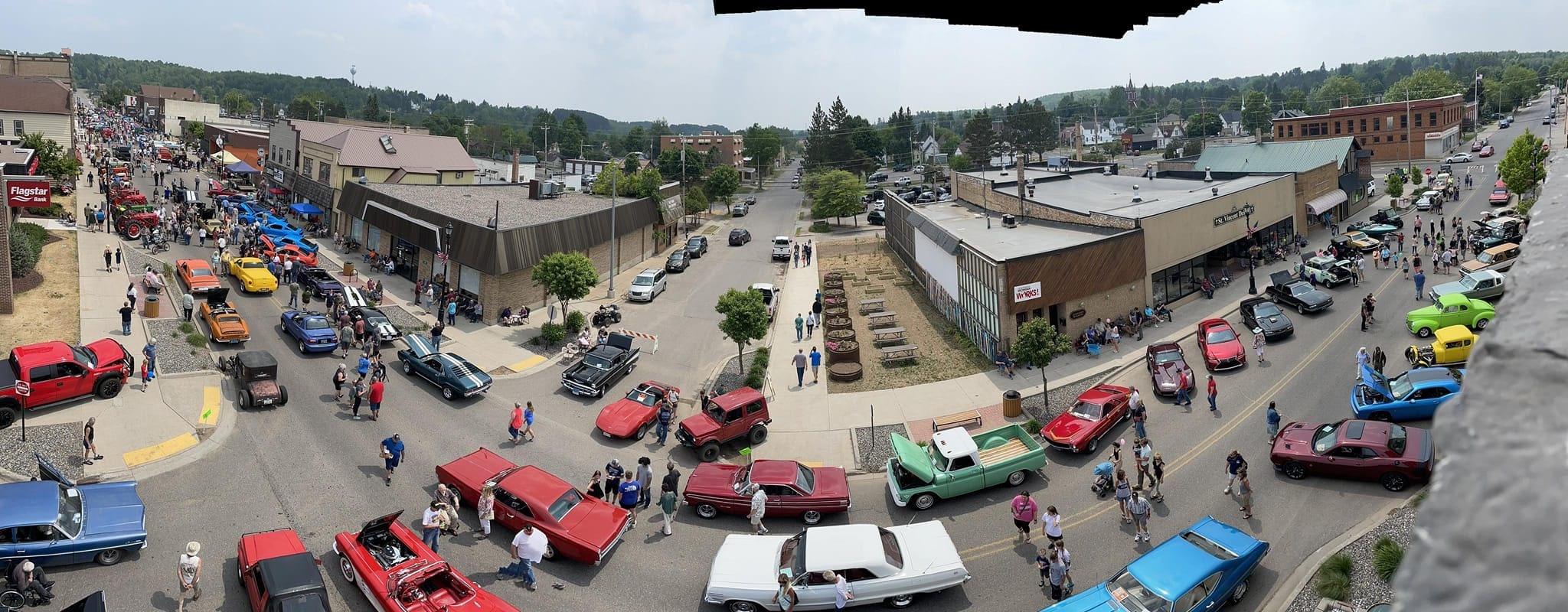
Iron River is a small city in Iron County, in the western Upper Peninsula of Michigan. With a population of approximately 3,000 residents, it carries a quiet, working-class character shaped by its roots as a 19th- and 20th-century iron mining community. Today the city is best known as a year-round gateway to the forests, lakes, and ski terrain of the western U.P., drawing visitors interested in snowmobiling, skiing, fishing, and exploring the region's mining and logging past. Iron River sits roughly 100 miles west of Marquette, the nearest regional hub, and about 150 miles north of Green Bay, Wisconsin, the closest major metropolitan area.
Just outside Iron River, the Ottawa National Forest spreads across nearly one million acres of the western Upper Peninsula, offering a mix of hardwood and conifer stands, trout streams, and more than 150 inland lakes. From Iron River, it is only a short drive into the forest's trailheads, campgrounds, and scenic byways, making it a natural anchor for visitors who want to hike, paddle, or simply escape into a quiet northern landscape. The forest is also a popular destination for fall color drives and snowmobiling once winter sets in.
For winter sports enthusiasts, Ski Brule is a small but well-known ski and snowboard resort located a few minutes from Iron River, with runs for beginners and intermediates, night skiing, and a reputation for dependable lake-effect snowfall. The resort is one of the higher-elevation ski areas in the Midwest and is a consistent draw for families and school ski programs from Wisconsin and the Chicago suburbs.
A short drive west of Iron River, the Brule River flows north through the forest toward Lake Superior, passing through a state-designated natural river corridor that is popular for canoeing, fly fishing, and fall foliage trips. The Brule is one of the most scenic and undeveloped rivers in the region and is a particular draw for anglers chasing steelhead and trout. In the warmer months, paddlers can float stretches of the river from public access points within roughly a 30-minute drive of the city.
Iron River makes a compelling base for short-term rentals precisely because of this mix of small-town affordability and four-season outdoor appeal. Guests can return each evening to a quiet community with local diners and easy access to highways, while spending their days exploring a national forest, skiing at a regional resort, or paddling a designated wild river. For travelers seeking an authentic Upper Peninsula experience without the crowds of larger gateway towns, Iron River offers a genuine sense of place, space, and seasonal variety.
Want to know if a property in Iron River is a good investment?
Enter an address to get instant revenue potential and comps.