
Hale, Michigan
Want to see how Hale compares to other top cities in Michigan? Explore all city regulations in Michigan. →
Hale, MI
Very Investor Friendly
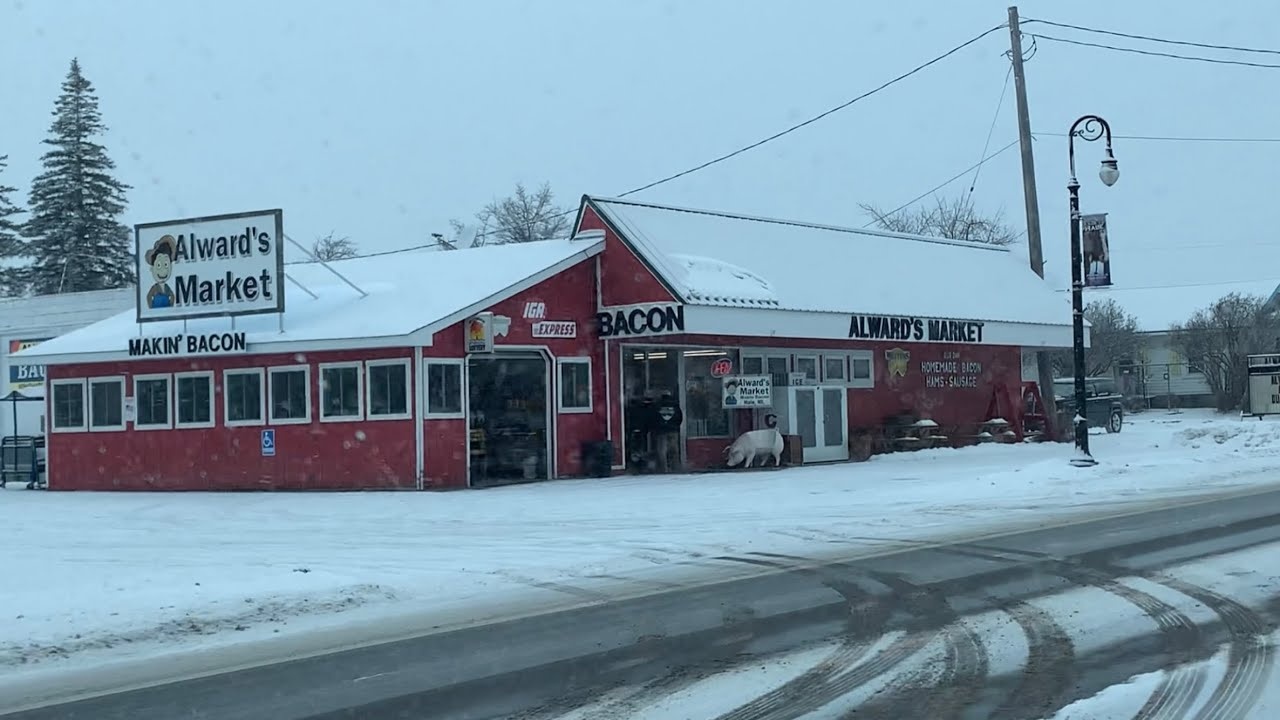
STR Regulations for Hale, Michigan
Overview: Short-Term Rental Legality in Hale, MI
Short-term rentals are allowed in Hale, Michigan, but operate under a limited regulatory framework. Hale does not have city-specific ordinances governing short-term rentals. Instead, STRs must comply with standard housing and rental regulations, Michigan state law requirements, and local zoning restrictions. This creates a favorable environment for STR operators, but investors must navigate general housing codes and tax obligations at the state level.
What do Airbnb hosts actually earn in Hale?
Hale hosts earn a median $24,016/year with $271 ADR and 48% occupancy.
Top performers pull in $40,366+ per year.
See the full Hale market breakdownStarting a Short-Term Rental Business in Hale, Michigan
Market Assessment and Opportunity
Hale, Michigan presents a compelling STR investment opportunity characterized by:
- Year-round demand: Strong seasonality with peak activity during summer months (water sports, fishing, hiking) and winter surge (snowmobiling, ice fishing, cozy retreats)
- Property diversity: Mix of rustic cabins, lakefront homes, and cozy cottages catering to various guest preferences
- Amenity-driven market: Properties with private docks, fishing equipment, water sports gear, outdoor entertaining spaces, fireplaces, and high-speed internet command premium rates
- Consistent occupancy potential: High rental income and occupancy rates achievable with proper management and market positioning
Business Formation Steps
- Property acquisition: Focus on waterfront properties and homes with unique amenities that align with regional outdoor recreation
- Zoning compliance verification: Confirm the property is in a zone that permits short-term rental operations
- Property preparation: Ensure dwellings meet minimum housing standards and safety requirements
- Insurance procurement: Obtain appropriate liability and property insurance for STR operations
- Tax registration: Register for Michigan use tax obligations (6% on rental income)
- Platform listing: Create listings on major STR platforms (Airbnb, VRBO, etc.)
- Management setup: Establish booking, guest communication, cleaning, and maintenance protocols
Required Documents, Permits, Licenses, and Guidelines
State-Level Requirements
Michigan Use Tax Registration
- Requirement: Michigan state law requires STR operators to pay a 6% use tax on total rental income collected
- Process: Register with Michigan Department of Treasury for use tax collection
- Compliance: Collect and remit 6% tax on gross rental receipts
- Documentation: Maintain detailed records of all rental income for tax reporting
Local Requirements
Plainfield Township Oversight
- Zoning Compliance: Verify property zoning permits short-term rental use through township building department
- Standard Housing Compliance: Properties must meet basic safety, sanitation, and maintenance standards
- Building Permits: May be required for significant renovations or property modifications
- Contact Authority: Plainfield Township Building Department for zoning and housing compliance questions
Federal Requirements
Tax Obligations
- Income Reporting: Report STR income on federal tax returns
- Schedule E: Use Schedule E to report rental income and expenses
- 1099 Reporting: Platforms may issue 1099 forms for rental income over threshold amounts
Specific Regulations: City, County, and State Level
Municipal Level (Hale)
No city-specific STR regulations identified. Hale operates without dedicated short-term rental ordinances, giving operators more flexibility but requiring careful attention to general housing and zoning requirements.
County Level (Iosco County)
No county-specific STR regulations identified. Iosco County does not appear to have county-wide short-term rental ordinances that would apply to Hale operations.
State Level (Michigan)
Housing Law of Michigan (Act 167 of 1917) - Key Provisions
Dwelling Classification and Standards
- Private Dwellings: Single-family homes occupied by one family with cooking facilities for one family only
- Two-Family Dwellings: Homes with cooking facilities for two families
- Multiple Dwellings: Properties occupied beyond private or two-family classification
- Class B Multiple Dwellings: Transient lodging (hotels, boarding houses) - potentially applicable to STR operations
Safety and Maintenance Requirements
- Structural Integrity: Buildings must be maintained in safe, habitable condition
- Fire Safety: Multiple dwellings over certain thresholds require enhanced fire protection systems
- Smoke Alarms: Class A multiple dwellings must have compliant smoke alarms
- Egress Standards: Multiple dwellings must provide adequate emergency exits
- Electrical and Plumbing: All systems must be maintained in safe, functional condition
Sanitation and Health Standards
- Water Supply: Dwellings must have adequate, potable water supply
- Sewer/Waste Disposal: Proper waste management systems required
- Cleanliness: Properties must be kept clean and free from vermin
- Overcrowding Limits: Specific cubic feet requirements per occupant
- Bathroom Facilities: Adequate toilet and sink accommodations required
Property Standards
- Windows and Ventilation: Minimum window area and ventilation requirements
- Heat and Insulation: Adequate heating systems for habitable occupancy
- Kitchen Facilities: Proper cooking and food preparation spaces
- Storage: Appropriate storage for guest belongings and property maintenance
Zoning Considerations
Residential Zone Restrictions
- Primary Concern: Some residential zones may prohibit or restrict short-term rental operations
- Investor Action: Verify zoning compliance before purchase through Plainfield Township Zoning Authority
- Non-Conforming Uses: Existing STRs may have grandfathered status under certain zoning scenarios
- Conditional Uses: Some zones may permit STRs with special conditions or approvals
Contact Information for Local Authority
Primary Contact: Plainfield Township
Physical Address:
Plainfield Township Office
415 E. Main Street
PO Box 247
Hale, MI 48739
Phone and Fax:
Phone: (989) 728-2811
Fax: (989) 218-3051
Office Hours:
- Treasurer & Clerk: Monday-Thursday 9:00 AM to 4:00 PM; Friday 9:00 AM to 1:00 PM
- All Other Offices: Monday-Friday 9:00 AM to 4:00 PM
Key Officials:
- Supervisor: Fred Lewis
- Clerk: Sue Reilly
- Treasurer: Roma J. Bassi
- Building Department: Contact for zoning and building permit questions
Website: plainfieldtwpmi.com/
State Resources
Michigan Department of Treasury
- Use Tax Questions: Contact for Michigan use tax registration and compliance
- Website: www.michigan.gov/treasury
Michigan Housing Law Reference
- Full Text: Available through Michigan Legislature website
- Application: Governs all dwelling standards and safety requirements
Key Compliance Considerations
Tax Obligations Priority
- Michigan Use Tax: 6% on gross rental income - mandatory registration and remittance
- Federal Income Tax: Report all rental income on annual tax returns
- Local Property Taxes: Ensure property tax assessments reflect rental use if applicable
Property Standards Priority
- Safety Systems: Verify smoke detectors, carbon monoxide detectors, and fire safety equipment
- Structural Integrity: Ensure building meets habitability standards
- Utilities: Confirm adequate water, sewer, and electrical services
- Accessibility: Verify emergency egress routes and safety equipment
Zoning Verification Priority
- Use Classification: Confirm STR use is permitted in property's zoning district
- Parking Requirements: Verify adequate parking for guests
- Setback and Density: Ensure property meets all dimensional requirements
- Homeowner Association: Check for any HOA restrictions on short-term rentals
Investment Strategy Recommendations
Property Selection
- Waterfront Focus: Prioritize properties near lakes and rivers given high demand for water activities
- Year-Round Appeal: Select homes with both summer recreational amenities and winter comfort features
- Unique Characteristics: Target properties with distinctive features that justify premium pricing
- Maintenance Access: Consider properties with good road access for property management
Regulatory Compliance Strategy
- Proactive Verification: Conduct thorough zoning compliance review before property acquisition
- Professional Consultation: Engage local legal counsel familiar with Michigan housing law
- Insurance Protection: Secure comprehensive liability coverage for STR operations
- Tax Preparation: Establish proper record-keeping systems for tax compliance
- Regular Monitoring: Stay informed about any potential changes to local or state regulations
Market Positioning
- Amenity Optimization: Emphasize local outdoor recreation opportunities in marketing
- Seasonal Pricing: Implement dynamic pricing reflecting Hale's pronounced seasonality
- Guest Experience: Focus on local business partnerships and community integration
- Professional Management: Consider professional management to optimize revenue and compliance
Links to Source Pages
- gosummer.com - Vacation Rental Management Guide: www.gosummer.com/vacation-rental-management/hale-michigan
- Plainfield Township Official Website: plainfieldtwpmi.com/
- Plainfield Township Ordinances: plainfieldtwpmi.com/community/plainfield-township-ordinances/
- Michigan Housing Law (Act 167 of 1917): www.legislature.mi.gov/documents/mcl/pdf/mcl-Act-167-of-1917.pdf
- Plainfield Township Contact Information: plainfieldtwpmi.com/contact/
This guide provides comprehensive information for STR investors considering the Hale, Michigan market. Given the limited municipal oversight, investors should prioritize thorough due diligence on zoning compliance and state-level tax obligations while capitalizing on the market's strong seasonal demand and amenity-driven appeal.
Next step
Found a property in Hale?
Paste any address and get estimated revenue, cash-on-cash return, and comparable STR performance in under 5 minutes. 3 free analyses per day.
Free brief
Get the free Hale STR Investment Brief
Revenue data, top neighborhoods, seasonal trends, and the key regulations for Hale, Michigan in one email.
Hale
Market Saturation Score
Photos of Hale
Overview of Hale
Hale is a small unincorporated community in Iosco County, in the northern Lower Peninsula of Michigan. With only a few hundred residents, it has the character of a quiet rural crossroads surrounded by dense northern forest, small inland lakes, and the winding waters of the Au Sable River. The community is best known as a gateway to the Huron National Forest and the broader outdoor recreation region of Michigan's "Sunrise Side" along Lake Huron. It sits roughly 200 miles north of Detroit and approximately 90 miles northeast of Saginaw, putting it in the heart of one of the state's most scenic and least developed regions.
The Huron National Forest lies just west and north of Hale, encompassing hundreds of thousands of acres of hardwood forest, rivers, and lakes. The forest is one of northern Michigan's most popular outdoor destinations, with miles of marked hiking trails, designated off-road vehicle routes, campgrounds, and swimming lakes. Visitors can also access the Au Sable River, which flows through the forest and the Hale area. The river is widely regarded as one of the top trout streams in the Midwest and is a celebrated destination for fly fishing, as well as canoeing, kayaking, and tubing through quiet forested stretches.
About 25 to 30 miles to the east, the adjacent communities of Tawas City and East Tawas sit on Tawas Bay, a large natural harbor on Lake Huron. The Tawas area features Tawas Point State Park, a narrow sandspit that juts into Lake Huron and is known for birdwatching, swimming, and sandy beaches. The town of East Tawas has a small historic downtown with locally owned shops, restaurants, and a working harbor, and it serves as the commercial center of Iosco County.
Hale's appeal as a short-term rental base lies in its quiet, forested setting and its central position between the Huron National Forest, the Au Sable River, and the Lake Huron shoreline. Visitors can spend mornings fishing the river, afternoons hiking in the national forest, and evenings watching the sunset over Lake Huron, all while staying in a small, peaceful community that feels far removed from Michigan's busier tourist towns.
Want to know if a property in Hale is a good investment?
Enter an address to get instant revenue potential and comps.