
Battle Creek, Michigan
Want to see how Battle Creek compares to other top cities in Michigan? Explore all city regulations in Michigan. →
Battle Creek, MI
Challenging To Investors
STR Regulations for Battle Creek, Michigan
Overview: Are Short-Term Rentals Allowed in Battle Creek, MI?
Yes, short-term rentals are explicitly allowed in Battle Creek, Michigan under Chapter 818 of the City Code, titled "Hotel, Motel, and Tourist Home." The ordinance specifically defines and regulates tourist homes, which includes properties listed on platforms such as Airbnb. This chapter applies to all hotels, motels, and tourist homes within the corporate limits of Battle Creek and establishes a comprehensive permitting and inspection framework to ensure safety and compliance.
The ordinance defines a "tourist home" as "a building or group of buildings containing dwelling units (a bed and a bathroom) or rooms, which provides accommodations for transient persons" and specifically includes "any building or structure kept, used, or maintained, as or advertised or held out to the public to be for rent, whether with or without meals," explicitly referencing listings on sites such as Airbnb.
What do Airbnb hosts actually earn in Battle Creek?
Battle Creek hosts earn a median $31,568/year with $165 ADR and 65% occupancy.
Top performers pull in $41,647+ per year.
See the full Battle Creek market breakdownHow to Start a Short-Term Rental Business in Battle Creek
Step 1: Understand Permitting Requirements
All hotels, motels, and tourist homes operating within Battle Creek must obtain a permit before beginning operations. The application process begins by submitting a completed application to the City Community Services Department Code Compliance Division.
Step 2: Initial Grace Period
Existing hotels, motels, and tourist homes operating at the time the ordinance was adopted were permitted to continue operation for 120 days without having obtained a permit, provided that a properly completed application was submitted within that timeframe.
Step 3: Application Submission
Submit your permit application to the City Community Services Department Code Compliance Division. The application must be complete before any permit decision can be made, including accommodation inspections and payment of applicable fees.
Step 4: Prepare for Inspections
The proposed accommodations and structure will be inspected by City code and fire officials for compliance with local and state codes. For properties with more than 50 units, a minimum of 25% of units will be randomly selected for inspection.
Step 5: Address Any Violations
If violations are noted during inspection, you will be notified within 10 business days and must correct them before the permit can be issued.
Step 6: Obtain Your Permit
Once all requirements are met, including successful inspection and fee payment, the Administrator will issue your permit.
Required Documents, Permits, Licenses, and Guidelines
Primary Permit Requirements
Permit Application Form must include:
- Name, primary residence, business and email address, home and business telephone number, and date of birth of owner(s) and legal agent
- For corporations, limited liability companies, or partnerships: Michigan Department of Licensing and Regulatory Affairs ID number
- Street address(es) of the accommodation(s)
- Description of business
- Number of units in the structure
- Number of units with kitchenettes (if any)
- Signature(s) and date
Additional Requirements
Legal Agent Designation: Must designate a resident agent who resides within Michigan and is authorized to act on behalf of the owner for compliance matters.
Business Registration: Must be properly registered with the Michigan Department of Licensing and Regulatory Affairs if operating as a corporation, LLC, or partnership.
Inspection Requirements
All Trades Inspection: May be required if violations pose hazards to health, safety, or welfare of occupants.
Periodic Inspections: Bi-annual inspections required between October 1 through December 31, subsequent to initial inspection.
Fee Structure (as anticipated)
- Permit fee: Approximately $200 per lodging facility
- Inspection fee: $15 per unit inspected (typically 25% of total rooms for facilities with more than 50 rooms, 100% for those with 50 or fewer rooms)
- Additional fees may apply for facilities with pools, additional inspections for violations, or re-inspections
Specific Regulations for Short-Term Rentals in Battle Creek
Permit Operations and Limitations
Permit Term: Permits expire December 31 in the calendar year after issuance, but not more than 24 months from the effective date. Properties cited for building and/or Property Maintenance Code violations at last inspection will have permits expire no more than 12 months from issuance.
Zoning Compliance: Must comply with all applicable building codes and Property Maintenance Code adopted by the city.
Guest Management Requirements
Guest Register: Must maintain a register containing:
- Name and address of every guest
- Make, year, model, and color of guest motor vehicles parked on premises
- Date and time of arrival and departure
- Number of days each guest stayed during calendar year
- Amount paid by guest for each stay
- Total number of occupants in accommodations where at least two persons occupy the same room
Guest Identification: Must request proper photo identification from guests paying with means other than financial transaction devices.
Guest Behavior: Must post notices and signs clearly outlining acceptable and unacceptable guest behaviors.
Occupancy Limitations
Long-Term Stay Restrictions: No guest may obtain accommodations for more than 28 consecutive days in a 90 consecutive day period, except:
- In accommodations with a City-approved kitchenette (unlimited stays allowed)
- With written agreement with employer/business for corporate long-term stays (food preparation limited to microwave only)
Extended Stay Considerations: Rooms occupied in excess of 90 days are considered residences and open for inspection by multiple city departments.
Safety and Maintenance Requirements
Egress Routes: Must post accurate egress routes in each accommodation.
Emergency Information: Must post city contact information for complaints and emergency numbers including 9-1-1.
Accessibility: Must meet Americans with Disabilities Act (ADA) requirements.
Facility Standards:
- At least one toilet, washing facilities, and shower/bathtub for every eight or fewer occupants
- Hot and cold running water must be provided
- Accommodations must be kept clean and free from dirt, vermin, garbage, and rubbish
- Clean sheets, pillow cases, blankets, and towels must be provided before new guests occupy beds
Fire Safety: Third or higher floor accommodations require fire escape facilities as required by applicable regulations and codes.
Cooking and Food Preparation
Kitchenette Requirements: Cooking of food is prohibited except in kitchenette facilities that comply with applicable codes and regulations, or in microwave ovens provided by the permittee.
Prohibited Equipment: Hot plates or similar equipment for heating or cooking food is specifically prohibited.
Microwave/Coffee Maker Exception: Microwave ovens and coffee makers provided by the permittee may be used, with conspicuous notices required in each accommodation.
Guest History and Records
Telephone Records: Must maintain telephone usage records for one year, including number called, date and time of call, and telephone/room from which call was made.
Banned Guests: Must maintain a list of guests who have been banned from the premises for 90 days following the ban or refusal of accommodation.
Extended Stay Records: Must maintain correct name and address of every guest staying more than 90 days for one year from departure date.
Compliance Monitoring
Calls-for-Service Ratio: Permit may be denied or revoked if the calls-for-service ratio (number of calls for service divided by number of rooms) reaches 1.0 or greater over any 12 consecutive months within the last 24 months.
Violation Thresholds: Three or more violations of the Rules and Regulations within 12 consecutive months over the last 24 months can result in permit denial.
Enforcement and Penalties
Misdemeanor Offenses: Violations are misdemeanors punishable by fines up to $500 and/or imprisonment up to 90 days.
Civil Infractions: Failure to vacate after notice is a Class D municipal civil infraction.
Abatement: No financial compensation may be charged, accepted, retained, or recovered for periods without a current, valid permit.
Order to Vacate: Properties without permits may be ordered to vacate, though this may be held in abeyance for up to 45 days if no hazard conditions exist.
Contact Information for Local Authority
Primary Contact: City Community Services Department Code Compliance Division
Administrator: City's Community Services Director or designee
Application Submission:
- City Community Services Department Code Compliance Division
- Applications must be submitted to the Administrator for review and decision
Appeals Process:
- Board of Appeals (for Property Maintenance Code violations)
- Battle Creek City Commission (for other violations)
Circuit Court Appeals: Calhoun County Circuit Court (for final appeals)
Note: Specific phone numbers, email addresses, and website URLs were not provided in the source documents and would need to be obtained directly from the City of Battle Creek's official communications channels.
State-Level Regulations for Michigan
While the city has specific regulations, state-level requirements include:
Michigan Use Tax: Hosts must collect and remit a 6% Michigan Use Tax on the total amount of the rental rate and any other charges associated with the rental.
Property Maintenance Code: Must comply with state-adopted Property Maintenance Code requirements for dwelling units, including permanent provisions for living, sleeping, eating, cooking, and sanitation.
Business Registration: Must be properly registered with the Michigan Department of Licensing and Regulatory Affairs for corporations, LLCs, or partnerships.
Links to Source Pages
- Chapter 818 Hotel, Motel, and Tourist Home Ordinance: www.battlecreekmi.gov/DocumentCenter/View/7835/Chapter-818---HotelMotel-Ordinance---October-2020
- Hotel, Motel, and Tourist Home FAQ: www.battlecreekmi.gov/DocumentCenter/View/7836/HotelMotel-FAQ
- Vacation Rental Management Overview (third-party reference): www.gosummer.com/vacation-rental-management/battle-creek-michigan
Note: This guide is based on the provided documents and represents the regulatory framework as of the most recent updates. STR investors should verify current requirements with the City Community Services Department Code Compliance Division before proceeding with operations.
Next step
Found a property in Battle Creek?
Paste any address and get estimated revenue, cash-on-cash return, and comparable STR performance in under 5 minutes. 3 free analyses per day.
Free brief
Get the free Battle Creek STR Investment Brief
Revenue data, top neighborhoods, seasonal trends, and the key regulations for Battle Creek, Michigan in one email.
Battle Creek
Market Saturation Score
Photos of Battle Creek


Overview of Battle Creek
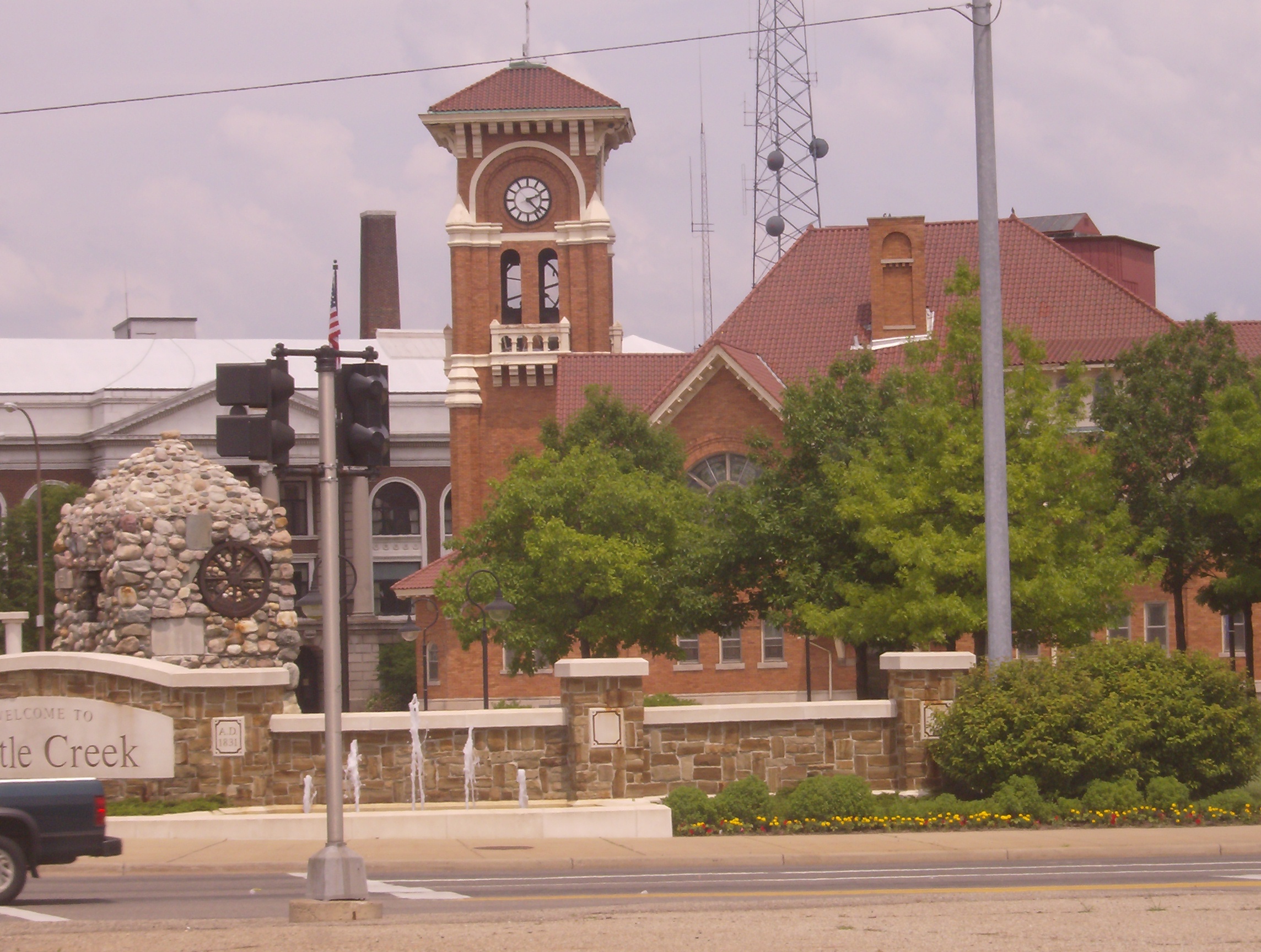
Battle Creek sits in Calhoun County in the southwestern part of Michigan's Lower Peninsula, home to a population of roughly 52,000 residents. Long nicknamed the "Cereal City" for its role as the headquarters of the Kellogg Company and a historic center of breakfast-cereal production, the city blends a recognizable industrial heritage with quiet residential neighborhoods, riverfront greenways, and an easygoing Midwestern character. It functions as a convenient gateway to the lakes, forests, and small towns of southwestern Michigan, and lies about 120 miles west of Detroit and roughly 160 miles east of Chicago, both reachable by interstate in around two hours.
Binder Park Zoo is one of the larger wildlife parks in the region, with more than 500 animals across naturalistic habitats that include a walk-through African savanna exhibit. Located on the southern edge of the city, the zoo is about a ten-minute drive from downtown Battle Creek and serves as a popular family-friendly draw year-round.
Fort Custer State Recreation Area covers more than 3,000 acres of woodlands, lakes, and trails for hiking, biking, fishing, and camping just a few miles west of the city. Managed by the Michigan Department of Natural Resources, the recreation area is roughly a fifteen-minute drive from downtown and offers a forested counterpoint to Battle Creek's more urban attractions. Fort Custer State Recreation Area
Firekeepers Casino, operated by the Nottawaseppi Huron Band of Potawatomi, brings gaming, dining, and live entertainment to a site just off Interstate 94 about ten minutes southeast of downtown. The casino draws visitors from across the region and gives the city a nightlife option that complements its daytime offerings. Firekeepers Casino
The W.K. Kellogg Biological Station, a research and education outpost of Michigan State University, sits in nearby Hickory Corners and offers walking trails, native plant gardens, and educational programs centered on ecology and sustainable agriculture. About a thirty-minute drive north of Battle Creek, the station ties the city's cereal-making past to the broader story of Michigan's working landscape. W.K. Kellogg Biological Station
With a central Lower Peninsula location, a mix of family attractions and outdoor recreation, and straightforward access from both Detroit and Chicago, Battle Creek offers short-term rental owners a year-round base of visitors tied to regional travel, gaming getaways, and family vacations in southwestern Michigan.
Want to know if a property in Battle Creek is a good investment?
Enter an address to get instant revenue potential and comps.