
Charlestown, Massachusetts
Want to see how Charlestown compares to other top cities in Massachusetts? Explore all city regulations in Massachusetts. →
Charlestown, MA
Challenging To Investors
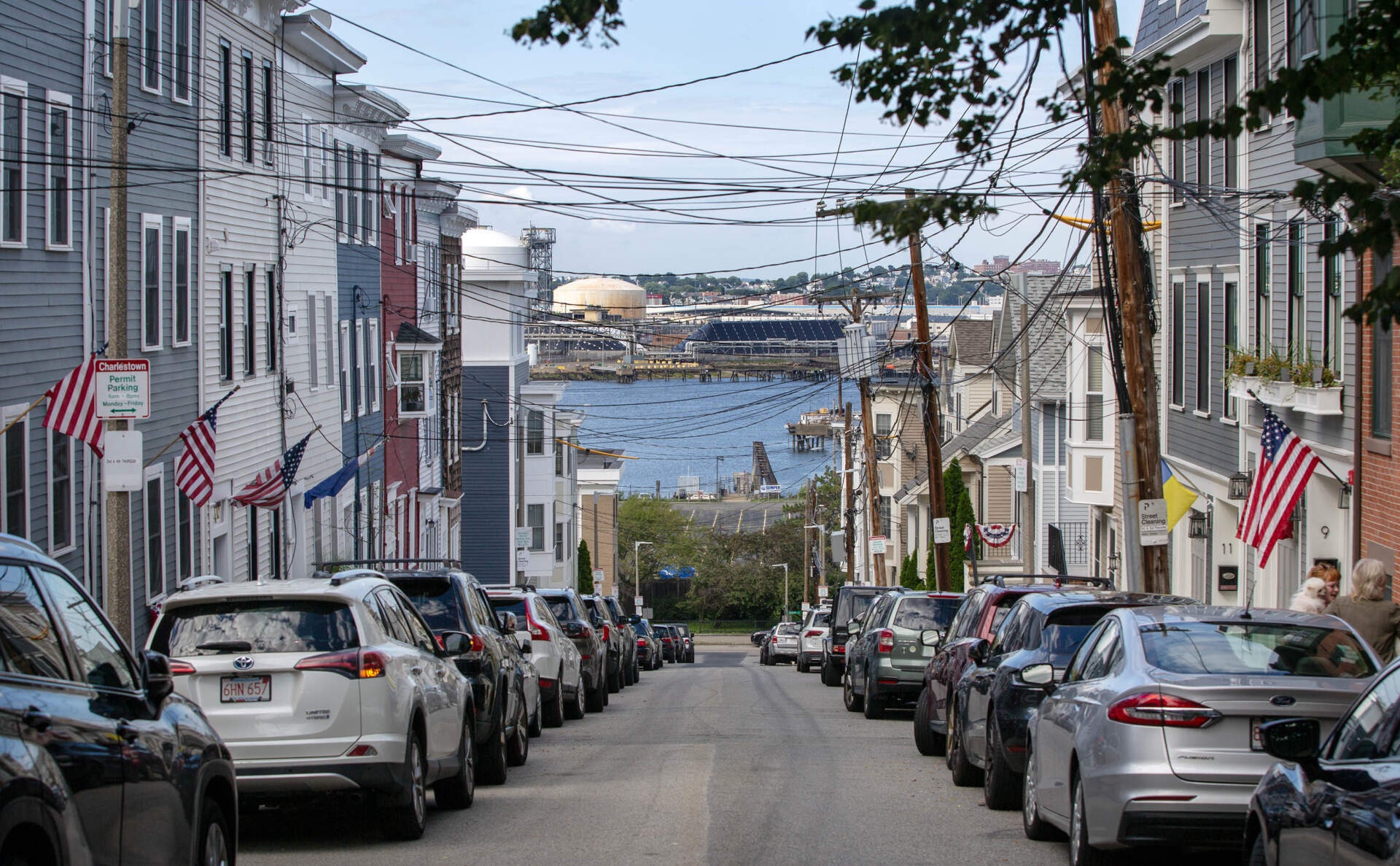
STR Regulations for Charlestown, Massachusetts
Executive Summary: STR Allowability in Charlestown
Yes, short-term rentals are explicitly allowed in Charlestown, Massachusetts, subject to strict regulatory requirements under the City of Boston's comprehensive short-term rental ordinance. Charlestown, as one of Boston's historic neighborhoods, falls under the City's unified STR regulatory framework. The City's program allows residential units to be rented for fewer than 28 consecutive days for a fee, but only within owner-occupied condominiums, single-family, two-family, and three-family buildings. For two-family and three-family buildings, the owner-occupant must own all units.
What do Airbnb hosts actually earn in Charlestown?
Charlestown hosts earn a median $67,981/year with $357 ADR and 66% occupancy.
Top performers pull in $82,924+ per year.
See the full Charlestown market breakdownHow to Start a Short-Term Rental Business in Charlestown
Initial Planning Phase
-
Verify Property Eligibility
- Confirm your property is in a permitted building type (owner-occupied condo, single-family, two-family, or three-family)
- Use Boston's STR eligibility tool to check preliminary eligibility
- Ensure no affordability covenants or income restrictions apply
-
Determine Your STR Type
- Limited Share Unit: Rent part of your primary residence while present ($25/year)
- Home Share Unit: Rent entire primary residence when you're away ($200/year)
- Owner-Adjacent Unit: Rent entire unit in same two/three-unit property as your primary residence ($200/year)
-
Prepare Documentation
- Gather two proof documents showing primary residence status
- Ensure property compliance with all housing codes and ordinances
Registration and Licensing Process
-
Complete STR Registration
- Register online through Boston's official portal
- Pay applicable registration fees
- Receive registration number for listing display
-
Obtain Business Certificate
- File through City Clerk's office after STR registration approval
- Fee: $35 for Massachusetts residents, $65 for non-residents
- Valid for 4 years
-
Post-Registration Requirements
- Display STR registration number on all listings
- Post safety information inside unit
- Notify abutters within 30 days of license issuance
Required Documents, Permits, Licenses, and Guidelines
Primary Documentation Requirements
Proof of Primary Residence (two required):
- Proof of residential exemption
- Utility bill (gas, electric, oil, or water) showing service and mailing addresses
- Voter registration certificate from Elections Department
- Motor vehicle registration
- Deed
- Driver's license or state-issued identification
Required Permits and Licenses
-
Short-Term Rental Registration
- Annual registration through Inspectional Services Department
- Registration number must appear on all listings
- Non-transferable with property sale
-
Business Certificate
- Filed through City Clerk's office
- Required after STR registration payment
- Must be renewed every 4 years
-
Lodging House/Bed & Breakfast (if applicable)
- Current license from Licensing Board (lodging houses)
- Certificate of Occupancy from Inspectional Services (bed & breakfasts)
Compliance Guidelines
-
Occupancy Limits:
- Limited Share: 3 guest bedrooms or 6 guests (whichever fewer)
- Home Share: 5 bedrooms or 10 guests (whichever fewer)
- Owner-Adjacent: Subject to standard occupancy limits
-
Primary Residence Standard: Must occupy property for at least 9 months of any 12-month period
-
Safety Requirements: Post unit information regarding fire extinguishers, exits, and pull alarms
-
Listing Requirements: Include active registration number on all rental listings
Specific Regulations for Charlestown/Boston STRs
City of Boston Regulations
Building and Zoning Requirements:
- Must be in residential-use properties only
- Excludes hotels, motels, executive suites, and non-residential uses
- Cannot be in congregate living, elderly housing, group residences, or transitional housing
- Must not be subject to affordability covenants or income restrictions
Operational Restrictions:
- Host Presence Requirement: Limited Share requires owner presence during all rentals
- Property Ownership: Owner-Adjacent units require ownership of entire two/three-unit building
- Maximum Rental Days: No annual cap specified for eligible units (365 days allowed)
Compliance and Enforcement:
- No more than 3 violations within 6-month period (starting Jan 1, 2019) of:
- STR ordinance violations
- Excessive noise ordinances
- Improper trash disposal
- Disorderly conduct
- State Sanitary, Building, and Fire Code violations
- No outstanding violations permitted
- Cannot be located in "Problem Property" or owned by Problem Property owner
Massachusetts State-Level Regulations
Room Occupancy Taxes:
- City of Boston excise and convention center taxes apply
- Massachusetts excise tax under Section 64G(3) of State Tax Code
- Intermediaries (like Airbnb) collect and remit taxes as of July 1, 2019
- Hosts must register with Massachusetts Department of Revenue
State Tax Requirements:
- Registration with Massachusetts DOR required
- Compliance with state room occupancy tax collection and remittance
Legal Considerations:
- Hosting must comply with all local, state, and federal laws
- Cannot violate lease agreements, condo board rules, HOA rules, or tenant organization rules
Local Neighborhood Considerations
Charlestown-Specific Factors:
- Historic district considerations may apply
- Community impact concerns from previous investor-unit conversions
- Local neighborhood associations may have additional guidelines
- Strong local advocacy for housing preservation over investor conversions
Abutter Notification Requirements:
- Notify all residential dwellings within 300 feet of STR unit
- Must complete within 30 days of license issuance
- Abutter defined as any residential dwelling within specified radius
Contact Information for Local STR Authorities
Primary Contact: Inspectional Services Department (ISD)
Address:
- ISD Housing Division
- 1010 Massachusetts Ave
- Boston, MA, 02118
Phone: 617-635-5300
Email: shorttermrentals@boston.gov
Website: www.boston.gov/departments/inspectional-services/short-term-rentals
Online Registration Portal: onlinepermitsandlicenses.boston.gov/isd/ShortTermRental/
Additional City Contacts
Boston Licensing Board:
- Phone: Contact through main city number
- Website: www.cityofboston.gov/licensing
City Clerk's Office (Business Certificates):
- Phone: Contact through main city number
- Website: www.boston.gov/departments/city-clerk
BOS:311 (Non-Emergency Issues):
- Phone: 311
- Website: www.cityofboston.gov/311/
Housing Division
Phone: 617-635-3880
Innovation and Technology Department
Phone: 617-635-4783
Source Links and References
Official City Resources
- Boston STR Program Main Page: www.boston.gov/departments/inspectional-services/short-term-rentals
- Online Registration Portal: onlinepermitsandlicenses.boston.gov/isd/ShortTermRental/
- STR Eligibility Tool: data.boston.gov/dataset/short-term-rental-eligibility/resource/83621b97-9a00-4aa7-bf43-28cae04969d4
- Short-Term Rental Ordinance (PDF): www.boston.gov/sites/default/files/document-file-08-2018/short-term_rental_ordinance.pdf
- Business Certificate Application: www.boston.gov/departments/city-clerk/how-apply-business-certificate
State Resources
- Massachusetts DOR Room Occupancy Tax: mtc.dor.state.ma.us/mtc/_/#2
- Massachusetts Room Occupancy Tax Guide: www.mass.gov/info-details/room-occupancy-excise-tax
- Massachusetts General Laws Chapter 64G Section 3: malegislature.gov/Laws/GeneralLaws/PartI/TitleIX/Chapter64G/Section3
Additional Resources
- Boston Zoning Code: www.bostonredevelopmentauthority.org/zoning
- Problem Property Ordinances:
- Chapter 9-13.1: library.amlegal.com/nxt/gateway.dll/Massachusetts/boston/chapterixbuildingregulation?f=templates$fn=default.htm$3.0$vid=amlegal:boston_ma$anc=JD_9-13.1
- Chapter 16-57.2: library.amlegal.com/nxt/gateway.dll/Massachusetts/boston/chapterxviprohibitionspenaltiesandpermit?f=templates$fn=default.htm$3.0$vid=amlegal:boston_ma$anc=JD_16-57.2
- Rental Registration: www.boston.gov/departments/inspectional-services/how-register-rental-property
Industry and Platform Resources
- Airbnb Boston Host Guide: www.airbnb.com/help/article/859
- Short-Term Rental Registration Assistance: www.rocketlawyer.com/short-term-rental-license
Key Takeaways for Charlestown STR Investors
Charlestown offers a viable market for short-term rental investment, but within strict regulatory constraints designed to preserve long-term housing stock. The key to successful STR operation in Charlestown lies in:
- Owner-Occupancy Compliance: All STR units must be owner-occupied properties
- Regulatory Adherence: Strict compliance with Boston's comprehensive ordinance
- Community Integration: Respect for neighborhood character and abutters
- Proper Documentation: Thorough preparation of all required paperwork
- Ongoing Compliance: Annual renewals and continued adherence to all regulations
The regulatory environment is designed to balance economic opportunities for property owners with housing preservation goals, making Charlestown suitable only for genuine owner-operators rather than speculative or investor-driven STR operations.
Next step
Found a property in Charlestown?
Paste any address and get estimated revenue, cash-on-cash return, and comparable STR performance in under 5 minutes. 3 free analyses per day.
Free brief
Get the free Charlestown STR Investment Brief
Revenue data, top neighborhoods, seasonal trends, and the key regulations for Charlestown, Massachusetts in one email.
Charlestown
Market Saturation Score
Photos of Charlestown

Overview of Charlestown
Charlestown is the oldest neighborhood in Boston, Massachusetts, located in Suffolk County on a small peninsula where the Charles River meets the Mystic River. With a population of roughly 17,000, it has retained a village-like atmosphere amid the larger city, characterized by narrow streets, brick row houses, and a strong sense of local identity tied to its colonial and Revolutionary War history. Charlestown is best known as the home of the Bunker Hill Monument and the USS Constitution, and as the northern terminus of Boston's Freedom Trail. It sits just across the Charles River from Cambridge and only about a mile north of downtown Boston, easily reached by the Charlestown Bridge or the MBTA Orange Line.
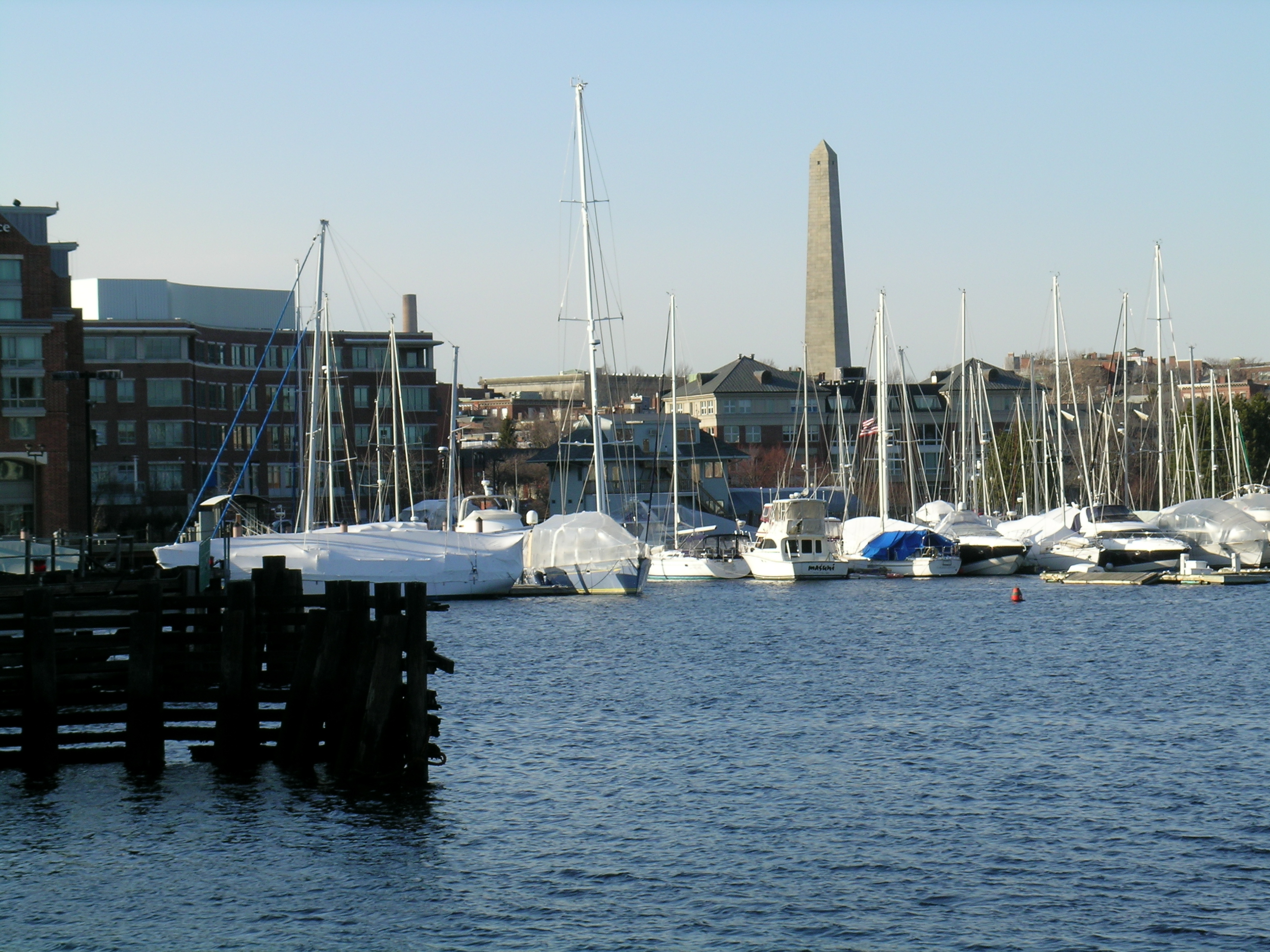
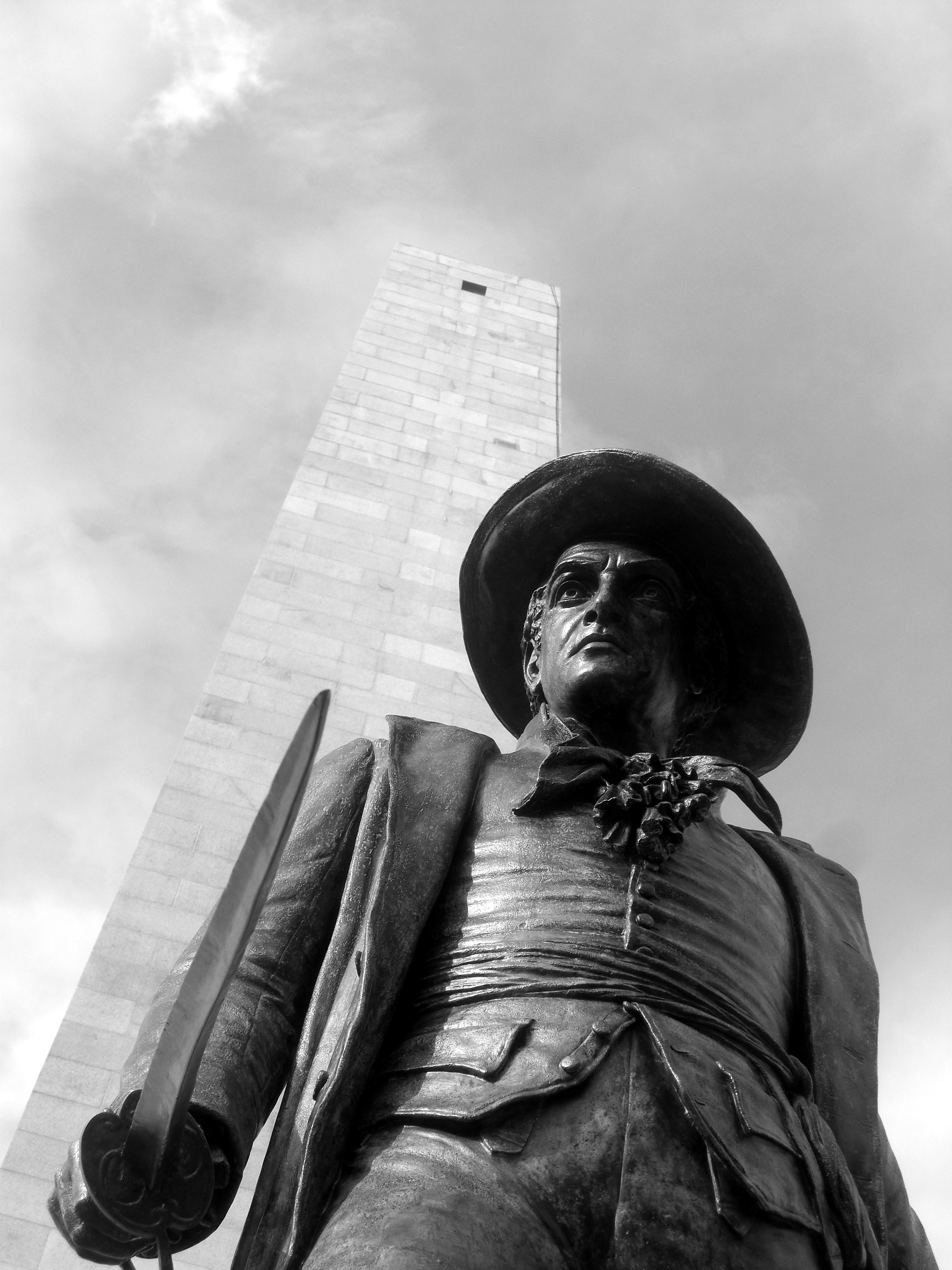
The Bunker Hill Monument is the neighborhood's most iconic landmark, a 221-foot granite obelisk commemorating the first major battle of the American Revolutionary War in June 1775. Visitors can climb the 294 steps inside the obelisk for sweeping views of Boston Harbor, Cambridge, and the surrounding cityscape. The monument is part of the Boston National Historical Park and sits only a short walk from the neighborhood's center, making it a natural anchor for visitors exploring the area.
Just a few blocks from the monument lies the USS Constitution and the adjoining Charlestown Navy Yard, the world's oldest commissioned naval warship still afloat, launched in 1797 and nicknamed "Old Ironsides." The adjacent museum tells the story of the ship's role in the early U.S. Navy and the broader maritime history of the region. Free guided tours of the ship itself are offered when in port, and the waterfront setting makes the yard a pleasant place to wander, with views across Boston Harbor toward the downtown skyline.
The Freedom Trail winds through Charlestown as it makes its way from downtown Boston, with its red-brick path guiding visitors past key colonial and revolutionary sites before ending at the Charlestown Navy Yard. Following the trail offers an easy, self-paced way to connect Charlestown's landmarks with the rest of Boston's historic core, including the Old North Church and Faneuil Hall, both of which can be reached on foot in roughly thirty minutes.
Charlestown appeals to short-term rental investors because it offers visitors something that feels distinct from a typical big-city stay: a compact, walkable historic district with a village feel, two of Boston's most visited heritage attractions within steps of one another, and direct transit access to the rest of the city. Guests can spend the day immersed in Revolutionary War history and then cross the bridge to dine in Cambridge or catch a game at the nearby TD Garden, making it a convenient and memorable base for exploring greater Boston.
Want to know if a property in Charlestown is a good investment?
Enter an address to get instant revenue potential and comps.