
Sparta, Illinois
Want to see how Sparta compares to other top cities in Illinois? Explore all city regulations in Illinois. →
Sparta, IL
Generally Investor Friendly
STR Regulations for Sparta, Illinois
Overview: Are Short-Term Rentals Allowed in Sparta, IL?
Explicit answer: The provided municipal code for Sparta, IL does not include any citywide prohibition on short‑term rentals. The code has no sections that explicitly authorize, license, register, or ban STRs. As a result, STRs are likely permissible subject to general zoning, building, fire, safety, sanitation, noise, and nuisance rules that apply to all rental housing and lodging uses. If an STR constitutes a change of use or requires a business license under local or state law, you must confirm that with the City Clerk/Administrator and the Planning/Zoning department before listing. In the absence of city‑specific STR rules, the default posture is that STRs are allowed so long as the property’s zoning and use comply and you meet applicable state and local building/safety requirements.
Note on sources: This conclusion is based on the city code index and content provided (Title IX: General Regulations; and the IFC by reference). There is no zoning chapter (Chapter 155: Zoning) content provided; therefore, investors should verify zoning and occupancy limits directly with the City Clerk or Planning Department.
What do Airbnb hosts actually earn in Sparta?
Sparta hosts earn a median $14,082/year with $156 ADR and 37% occupancy.
Top performers pull in $23,760+ per year.
See the full Sparta market breakdownHow to Start a Short-Term Rental Business in Sparta, IL
- Confirm zoning and permitted use
- Contact the City Clerk/Administrator and Planning/Zoning office (contact details below) to verify whether STRs are a permitted use at your property (residential vs. commercial zoning), whether a change‑of‑use or special permit is required, and what documentation is needed. Use the general municipal office number as the primary point of contact.
- Select and prepare the property
- Confirm occupancy limits based on the International Building Code and local standards (if applicable). For sleeping rooms without windows, accessory egress may be required. Install working smoke alarms in all sleeping rooms and common areas; install carbon monoxide detectors where fuel‑burning appliances or attached garages are present.
- Maintain posted emergency egress plans, fire extinguishers, and first‑aid supplies.
- Register and license
- Inquire with the City Clerk about any business/occupational licenses, municipal STR registrations, or rental inspections required for STRs. If the City does not require a specific STR license, obtain the applicable building/safety inspections for lodging uses.
- Taxes and state compliance
- Illinois Short‑Term Rental Tax (4% on gross receipts): register and collect through MyTax Illinois; file monthly/quarterly returns; retain records. This tax applies to booking‑platform‑facilitated and direct reservations.
- Hotel Operators’ Occupation Tax (HOOT): confirm whether local hotels/motels or related lodging taxes are applicable. Seek guidance from the Illinois Department of Revenue.
- Sales tax: lodging is generally exempt from sales tax in Illinois, but confirm whether you provide taxable goods/services (e.g., on‑premise amenities) that would require sales tax registration.
- Keep thorough records of all bookings, receipts, taxes collected, and remittances.
- Platform compliance
- On all platforms, include unit address, occupancy limits, house rules, and safety information. If required by state/local law, display your Illinois tax registration number on listings and receipts.
- Insurance and operations
- Carry comprehensive liability and property coverage appropriate for transient lodging.
- Establish professional turnover standards, occupancy quiet hours enforcement, and neighbor-friendly procedures to prevent violations of noise, nuisance, and animal rules.
- Ongoing compliance
- Adhere to noise limits (Chapter 97) and the International Fire Code adopted by the city (Chapter 95).
- Ensure sanitation and nuisance provisions are followed (Chapter 96), and that animal rules are observed (Chapter 91).
Required Documents, Permits, Licenses, and Guidelines
Based on available information and typical lodging compliance in Illinois, the following typically apply:
- Zoning confirmation or permit
- Verification from the City that STR use is permitted at the property, or a special use/change‑of‑use permit if required.
- Building/fire safety
- Ensure compliance with adopted fire and building codes. Keep fire extinguishers accessible; maintain posted egress plans; ensure working smoke and CO detectors per state and IFC requirements.
- Business/occupational license (if applicable)
- Confirm whether the City requires any business or operator licenses for STRs. No specific STR license is present in the provided code.
- Illinois tax registrations
- Short‑Term Rental Tax (4%) registration through MyTax Illinois.
- Sales tax registration if you sell taxable goods/services (or if advised by IDOR).
- Consult IDOR regarding HOOT if operating lodging that might be subject to hotel/motel taxes.
- Records and guest log
- Maintain booking records and guest rosters as required by applicable state laws governing lodging operators.
Specific Regulations for STRs in Sparta, Randolph County, and Illinois
- City of Sparta (local)
- No dedicated short‑term rental licensing or prohibition appears in the provided code (Title IX: General Regulations).
- Noise: Chapter 97 restricts nighttime sound and construction hours. Operators must ensure music, gatherings, and equipment do not exceed the city’s dB(A) limits and quiet‑hour restrictions.
- Fire prevention: The International Fire Code (IFC) is adopted by reference (Chapter 95). Operators must comply with fire safety and life‑safety requirements for lodging occupancies.
- Health, safety, and sanitation: Chapter 96 establishes prohibitions on conduct that endangers public health, requires proper sanitation, and codifies nuisance abatement. Maintain properties to avoid stagnant pools and other public health hazards.
- Animals: Chapter 91 permits certain domestic animals, requires permits for “dangerous animals,” and prohibits excessive noise from pets. STR operators should ensure guest pets and activities do not violate nuisance or animal control rules.
- Randolph County (county-level)
- The provided content does not include county regulations. County zoning or health/safety ordinances may apply. Investors should confirm county requirements with the Randolph County Planning/Zoning and Health Department.
- State of Illinois
- 4% Short‑Term Rental Tax: Collect and remit on all gross receipts for lodging stays of fewer than 30 days (including platform‑facilitated reservations). Register through MyTax Illinois; file and pay monthly/quarterly as assigned.
- Hotel Operators’ Occupation Tax (HOOT): Confirm applicability with IDOR based on your lodging type and services.
- Sales tax: Lodging is generally exempt; confirm whether you provide taxable items or services that require separate sales tax registration.
- Building and fire codes: IFC and other state building and life‑safety standards apply; confirm occupancy classification and egress requirements with the City and, if required, with the Illinois Department of Commerce and Economic Opportunity (DCEO) for building code clarifications.
Local Authority Contacts
- City of Sparta (General)
- Phone: 618‑443‑5711
- City Hall: 101 W. Locust Street, Sparta, IL 62286
- Website: spartaillinois.us
- Primary contact for STRs: City Clerk/Administrator for licensing, zoning, and municipal compliance.
- Planning/Zoning
- Inquire through the City Clerk for Planning/Zoning office details.
- Illinois Department of Revenue (IDOR)
- Phone (general): 1‑800‑732‑8866 or 217‑782‑3336
- MyTax Illinois portal: mytax.illinois.gov
- Use for Short‑Term Rental Tax registration, filing, and questions; confirm HOOT applicability.
Source Pages
- City of Sparta Municipal Code, Title IX: General Regulations (International Fire Code adopted by reference; Noise and nuisance provisions; Animals; Health/Sanitation; Fair Housing; Civil Emergencies; Cemeteries; etc.)
Practical Due Diligence Checklist
- Contact the City Clerk/Administrator to confirm zoning and whether any STR‑specific registration or inspection is required.
- Verify occupancy limits and life‑safety compliance with the IFC adopted by the City; install and test smoke and CO detectors; keep fire extinguishers and egress plans.
- Set quiet hours, enforce occupancy caps, and install decibel‑appropriate outdoor/indoor speaker systems.
- Register for Illinois Short‑Term Rental Tax (and any other tax registrations indicated by IDOR).
- Implement professional cleaning, pest control, and trash management to prevent nuisances; avoid leaving trash receptacles in public view.
- Provide guest pet policies aligned with Chapter 91; require leashing and quiet hours to avoid animal nuisance complaints.
- Maintain records: bookings, guest lists, taxes collected and remitted, and inspection or permit documentation.
This guide reflects only the available city code content and Illinois tax framework. Before listing, investors should directly confirm zoning, licensing, and any building or fire safety specifics with the City of Sparta and, if applicable, Randolph County.
Next step
Found a property in Sparta?
Paste any address and get estimated revenue, cash-on-cash return, and comparable STR performance in under 5 minutes. 3 free analyses per day.
Free brief
Get the free Sparta STR Investment Brief
Revenue data, top neighborhoods, seasonal trends, and the key regulations for Sparta, Illinois in one email.
Sparta
Market Saturation Score
Photos of Sparta
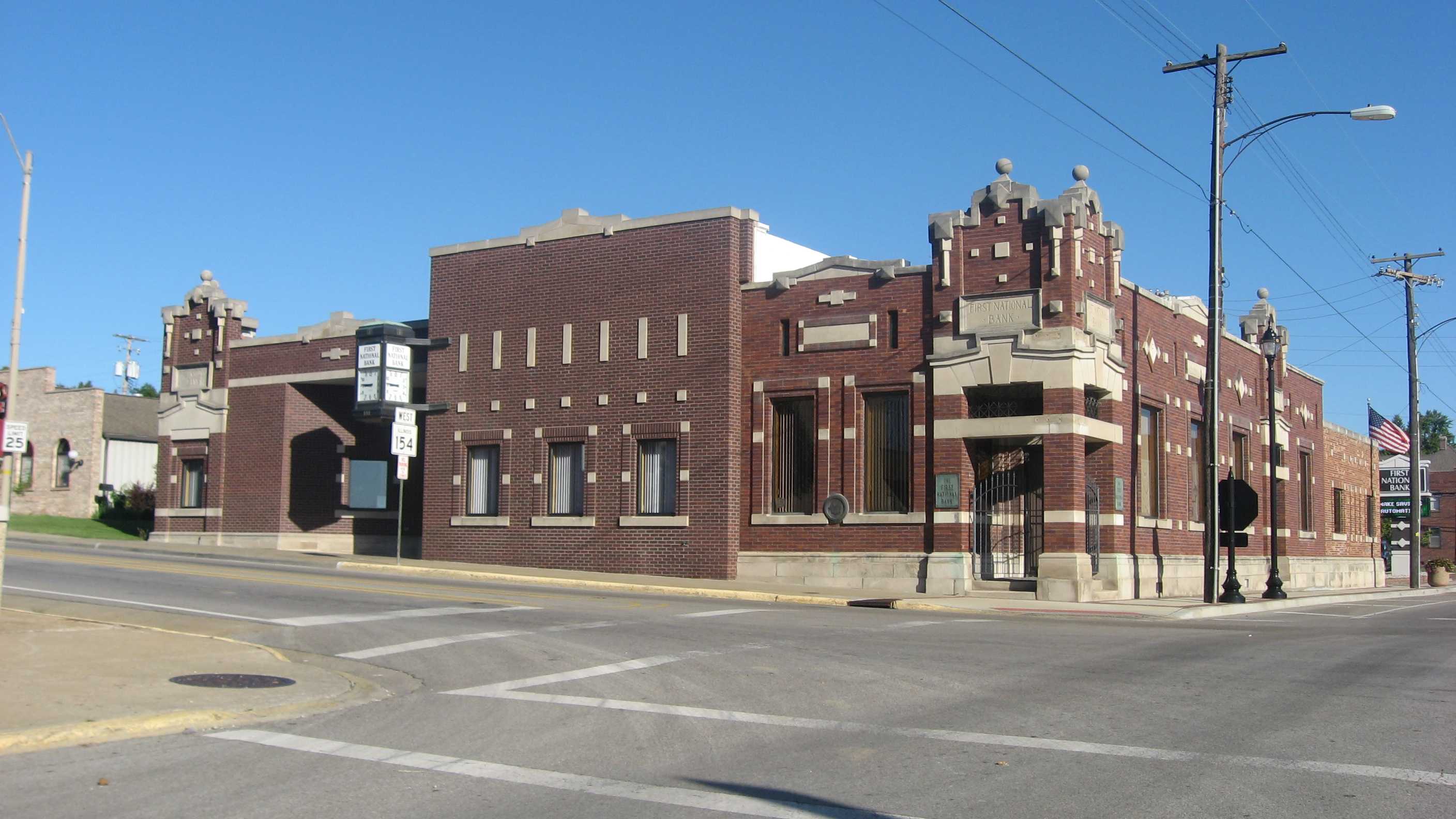

Overview of Sparta
Sparta is a small city in Randolph County in southwestern Illinois, with a population of approximately 4,000 residents. Set amid the rolling farmland and forested bluffs of southwestern Illinois, near the Mississippi River, the community has a quiet, traditional small-town feel and is best known as the home of the World Shooting and Recreational Complex, a major destination for competitive shooting sports. The town lies roughly 50 miles southeast of St. Louis, Missouri, about an hour's drive via Interstate 255 south and Illinois Route 3.
The World Shooting and Recreational Complex is the marquee attraction in the area, drawing thousands of competitors and spectators each year for events such as the Grand American Trapshoot. The sprawling facility is just minutes from downtown Sparta and offers a distinctive draw that brings a steady flow of visitors looking for lodging during tournaments and shoots.
Just a short drive south of Sparta, Fort de Chartres State Historic Site preserves a partially reconstructed French colonial fort that once served as the seat of French government in the Illinois Country. Visitors can explore the stone walls, a powder magazine, and a museum interpreting 18th-century life on the frontier, making it a rewarding half-day outing roughly 20 miles and about 30 minutes from Sparta.
The nearby town of Chester, about 25 miles south along the Mississippi, is famously the hometown of E.C. Segar, the cartoonist who created Popeye. Visitors can find a Popeye statue, several character-themed statues scattered around town, and a small museum dedicated to the comic strip, adding a lighthearted family-friendly stop to a visit to the region.
For outdoor recreation, the Mississippi River and its limestone bluffs offer opportunities for fishing, hiking, and scenic drives, while the surrounding countryside invites cyclists and birders. The combination of a specialized sports venue, French colonial history, and river country scenery gives Sparta a varied appeal for short-term rental guests.
Want to know if a property in Sparta is a good investment?
Enter an address to get instant revenue potential and comps.