
Mount Vernon, Illinois
Want to see how Mount Vernon compares to other top cities in Illinois? Explore all city regulations in Illinois. →
Mount Vernon, IL
Generally Investor Friendly
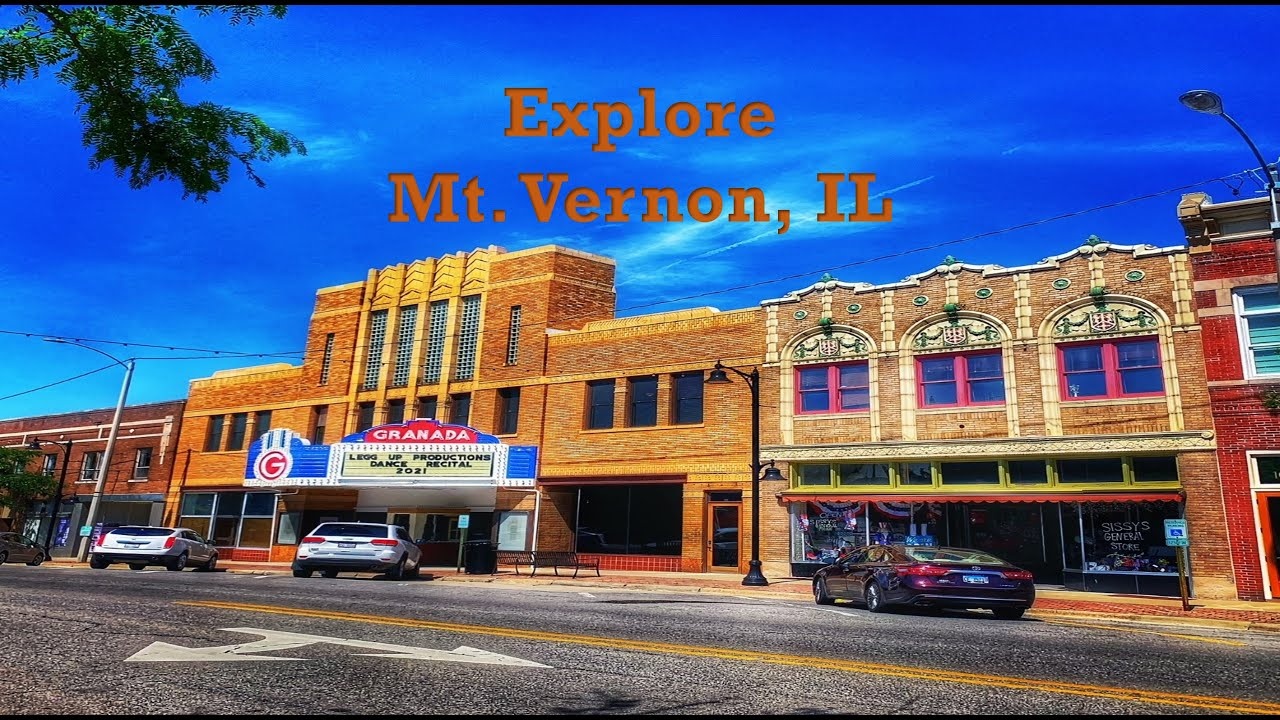
STR Regulations for Mount Vernon, Illinois
Executive Overview
- Are short-term rentals allowed? Explicitly: The city materials provided do not prohibit short-term rentals (STRs). The plan and zoning framework indicates the City uses zoning and planning controls for residential uses and is pursuing modern housing and neighborhood stabilization policies. Therefore, STRs are presumably permissible in appropriate residential zoning districts subject to the same general land use and property maintenance rules that apply to residential uses in Mt. Vernon, unless and until a city ordinance specifically restricts or prohibits them. This assessment is based on the absence of any STR-specific prohibition or licensing requirement in the provided documents and the existence of zoning and property maintenance structures. For certainty, investors should verify with the City’s Planning and Zoning Department and City Manager’s office before acquisition or launch.
Note: Because this is a home rule municipality, the City has broad authority to regulate STRs (licensing, safety standards, occupancy caps, etc.) if it chooses to act.
How to Start a Short-Term Rental Business in This Market
The following is a practical roadmap tailored to Mt. Vernon and Jefferson County based on the provided documents. It highlights the actions you should take and the contact points within the city government and partners that can provide definitive answers where city documents are silent on STR-specific rules.
- Confirm zoning and allowed use
- Objective: Ensure the property is located in a zoning district where renting rooms or entire dwelling units for short stays is a permitted or special use (and confirm no neighborhood restrictions apply).
- Action: Contact Planning & Zoning and City Manager’s office for written confirmation. In the Comprehensive Plan, “Proactive inspection program: improve permitting process” is called for (Section: Desired City Services), signaling formal permitting pathways exist for some activities.
- Contact: Planning and Zoning Commission (see list in the plan: members include Robert Feltmeier, Charles Jones, Dean Dickerson, David Domingez, Craig Olsen, Ryan Wellmaker). City Manager’s office: City Manager Mary Ellen Bechtel; Assistant City Manager Nathan McKeena.
- Outcome: A written zoning use determination for the subject property, including any conditions (parking, access, signage).
- Align with property maintenance and building standards
- Objective: Ensure your STR complies with building and property maintenance standards referenced in the Comprehensive Plan (Goal H4: adopt ICC Property Maintenance Code; Goal H6: expand building code enforcement).
- Action: Confirm the current adoption status of the ICC Property Maintenance Code (likely adopted or in process, given the plan objectives) and what inspection/occupancy requirements exist. For multi-unit conversions, check building code compliance.
- Contact: City Manager’s Office; City’s Executive Management Team can direct you to the appropriate code enforcement staff.
- Obtain any required business licenses and registrations
- Objective: Because the provided city documents do not list a specific STR license, verify whether a city business license is required. The plan’s goal C19 includes “Update and modify the City’s codified ordinances,” indicating licensing details may be embedded in codified ordinances rather than the Comprehensive Plan.
- Action: Apply via the City Clerk and/or appropriate licensing department.
- Contact: Deputy City Clerk Becky Barbour (per City directory).
- Taxes and lodging tax compliance
- Objective: Register for state and local taxes applicable to lodging.
- Action: Register for Illinois sales tax via the Illinois Department of Revenue (IDOR). Confirm with the City whether a local lodging tax applies (the plan lists municipal non-home rule sales tax at 1% but does not specifically mention a local hotel/motel tax; this requires confirmation).
- Contact: City Hall; IDOR for state sales tax.
- Health and safety (if applicable)
- Objective: Determine whether a local health permit is required if you operate a boarding house or commercial lodging configuration (especially in multifamily conversions).
- Action: Check with Jefferson County Health Department (not listed in the provided documents; city contacts can direct you).
- Outcome: Health permit or exemption.
- Insurance and risk management
- Objective: Secure adequate property and liability coverage suitable for transient rentals.
- Action: Place coverage with a licensed insurer; consider additional insured endorsements for property management companies or platforms.
- Utility accounts and operations
- Objective: Set up electric, gas, water/sewer, waste, and internet service accounts.
- Action: Contact utility providers listed in the Comprehensive Plan:
- Electricity: Ameren Illinois (888) 789-2477; Tri-County Cooperative (618) 244-5151
- Natural Gas: Ameren Illinois (800) 755-5000
- Water/Sewer: City of Mt. Vernon (618) 242-5000
- Internet: Spectrum Business (855) 762-1243; Clearwave (618) 294-8000; Wisper ISP (800) 765-7772
- Access, parking, and neighborhood fit
- Objective: Address access, parking, and waste handling to mitigate neighborhood concerns. The Comprehensive Plan prioritizes neighborhood stability and code enforcement.
- Action: Ensure off-street parking if possible; align trash/recycling with City service schedules; use quiet hours and occupancy limits aligned with local norms.
- Onboarding with platforms and marketing compliance
- Objective: Publish listings only after zoning and licensing clarity is achieved.
- Action: Ensure all platform verifications, safety amenities, and listing content align with city requirements.
Required Documents, Permits, Licenses, and Guidelines
Based solely on the provided documents and typical municipal processes, the following items are generally required or strongly recommended. Where the documents do not specify, we mark “confirm with city.”
- Ownership/control documents for the property (deed/lease) — required
- State of Illinois sales tax registration (for lodging/occupancy tax) — required
- City business license (if applicable) — confirm with City Clerk
- Zoning use verification letter from Planning & Zoning — required
- Property maintenance compliance verification (ICC Property Maintenance Code alignment) — required
- Building permits/inspections (if structural changes or change of use) — confirm with City
- Health permit (if lodging operates in a boarding or multifamily configuration) — confirm with Jefferson County Health Department
- Insurance (property, liability, loss of rental income) — required
- Waste/utility accounts — required
- Platform tax remittance agreement (marketplaces often collect and remit; confirm your setup with IDOR and city)
Note: The plan references a proactive inspection program and a push to modernize permitting processes (Desired City Services; C18 optimization). This suggests streamlined, formal steps exist even if not detailed in the Comprehensive Plan. Confirm specifics with the City Manager’s Office and City Clerk.
Specific Regulations (City, County, and State) – What the Documents Support
- City-level frameworks (from provided documents)
- Housing: The plan sets goals to stabilize housing stock (H3), expand code enforcement (H6), adopt ICC Property Maintenance Code (H4), and encourage redevelopment of vacant housing (H5). These affect STRs by setting baseline property condition and enforcement standards.
- Community Development and Communications: The plan prioritizes improved permitting processes (Desired City Services) and restructuring planning/zoning administration (C18), both relevant to how STR applications and inspections are processed.
- No explicit STR licensing or prohibition is stated in the provided materials. As a home rule city, Mt. Vernon can regulate STRs if it chooses; investors should verify the current codified ordinances.
- Zoning: The existence of a Planning and Zoning Commission implies zoning districts and use approvals. You must confirm STRs are a permitted or special use in your district (Planning & Zoning contact list is provided in the plan).
- Jefferson County-level
- The Comprehensive Plan identifies Jefferson County Development Corporation as a partner but does not include county-level STR rules. For properties outside city limits but within the county, confirm county zoning and any public health requirements. The City’s plan area includes territory up to 1.5 miles beyond corporate limits, but county ordinances control in unincorporated areas; confirm with county authorities.
- State-level (Illinois)
- No specific state law concerning STRs is referenced in the documents provided. Standard requirements include:
- Sales/use tax registration with IDOR for lodging or occupancy taxes
- Fire and life safety code compliance based on building use and occupancy
- Local compliance with the Illinois Smoke Detector Law (though not cited in the documents, it is a standard requirement in Illinois)
- No specific state law concerning STRs is referenced in the documents provided. Standard requirements include:
Contact Information (Phone, Email, Website Where Available)
Key city officials and contacts as listed in the Comprehensive Plan (for Planning/Zoning and Municipal contacts):
- Mayor: John Lewis — City Hall (contact via City)
- City Manager: Mary Ellen Bechtel — City Hall (contact via City)
- Assistant City Manager: Nathan McKeena — City Hall
- Deputy City Clerk: Becky Barbour — City Hall
- Planning & Zoning Commission (members listed in the plan):
- Chairman: Robert Feltmeier
- Commissioners: Charles Jones; Dean Dickerson; David Domingez; Craig Olsen; Ryan Wellmaker
Primary phone lines (from City utility/provider directory; recommended to use for routing to departments):
- City of Mt. Vernon (Water/Sewer/General): (618) 242-5000
- City Hall Main: use City line (618) 242-5000 for routing
Utility and service providers (for startup and operations):
- Ameren Illinois (Electric): (888) 789-2477
- Tri-County Cooperative (Electric): (618) 244-5151
- Ameren Illinois (Natural Gas): (800) 755-5000
- Spectrum Business (Internet): (855) 762-1243
- Clearwave (Internet): (618) 294-8000
- Wisper ISP (Internet): (800) 765-7772
Note: Emails and websites were not included in the provided content. Use the main City line to be routed to specific departments and to request email contacts for the City Manager’s Office, City Clerk, and Planning & Zoning.
Source Pages (Direct Links)
- Mt. Vernon Comprehensive Plan 2022–2032 (Adopted Oct 3, 2022): www.mtvernon.com/media/1ltlczjl/comprehensive-plan-2022-2032.pdf
- Facebook Group Post (no STR content): www.facebook.com/groups/485483631543809/posts/24247105458288293/
Investor Checklist (Summary Action Items)
- Obtain zoning use verification for STR use (Planning & Zoning Commission).
- Verify any city business licensing requirement (City Clerk).
- Register for Illinois sales tax (IDOR) and any local lodging tax (confirm with City).
- Confirm ICC Property Maintenance Code compliance and any inspection schedule (City Manager’s Office).
- Align with building code requirements if converting units or doing renovations (City).
- Set up utilities and waste accounts (City and provider directory provided).
- Secure appropriate insurance coverage.
- Document neighborhood-friendly operations (parking, noise, trash).
- Maintain records for tax and code compliance.
If you have not already done so, request current STR-specific codified ordinances from the City Clerk and confirm in writing whether an STR license, registration, or inspection is required in your intended zoning district.
What do Airbnb hosts actually earn in Mount Vernon?
Mount Vernon hosts earn a median $23,748/year with $132 ADR and 64% occupancy.
Top performers pull in $29,789+ per year.
See the full Mount Vernon market breakdownNext step
Found a property in Mount Vernon?
Paste any address and get estimated revenue, cash-on-cash return, and comparable STR performance in under 5 minutes. 3 free analyses per day.
Free brief
Get the free Mount Vernon STR Investment Brief
Revenue data, top neighborhoods, seasonal trends, and the key regulations for Mount Vernon, Illinois in one email.
Mount Vernon
Market Saturation Score
Photos of Mount Vernon


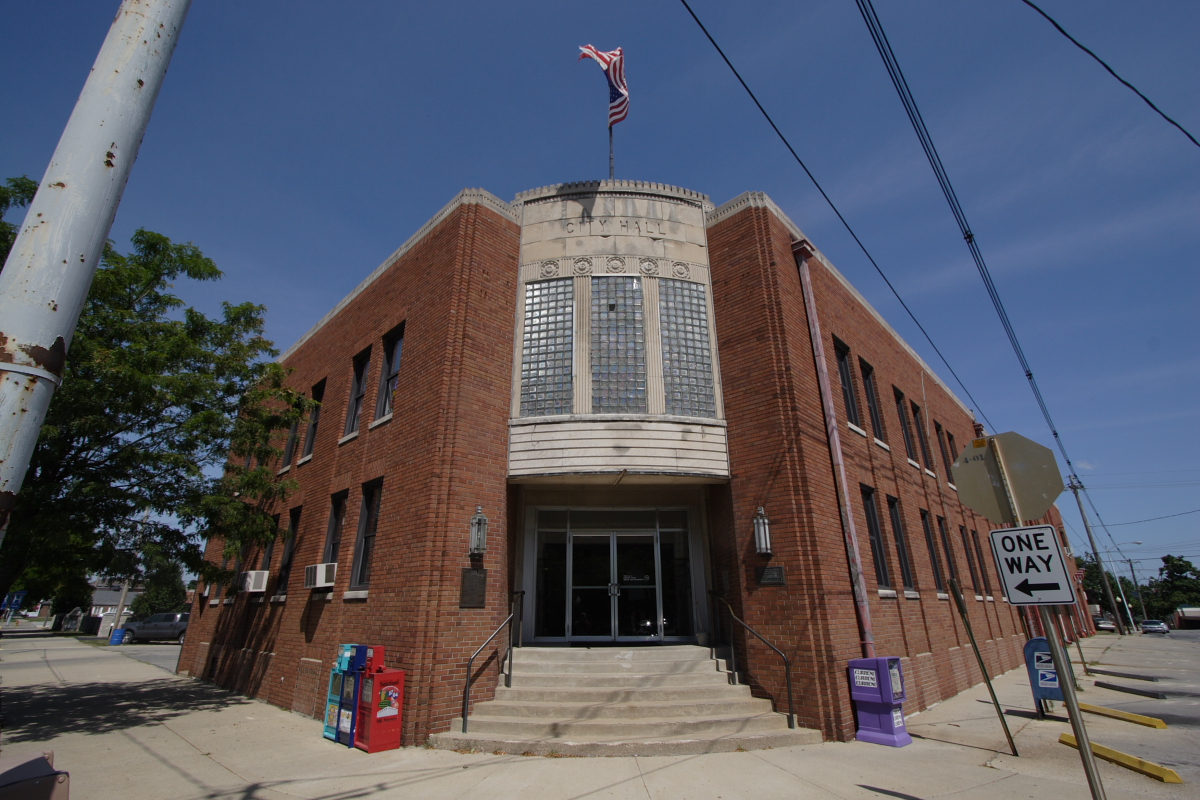
Overview of Mount Vernon
Mount Vernon, Illinois is the county seat of Jefferson County, situated in the rolling farmland of southern Illinois. With a population of approximately 15,000, the city has the unhurried, neighborly character typical of Midwestern county seats while still serving as the commercial and service hub for the surrounding rural region. It sits roughly 80 miles east of St. Louis, Missouri, and about 50 miles west of Evansville, Indiana, making it a convenient stopover for travelers exploring the southern part of the state. Mount Vernon is best known as a gateway to Rend Lake and the broader network of outdoor recreation areas that define the region, and it sits at the junction of Interstates 57 and 64.
Rend Lake is the marquee draw of the area, located about 15 minutes southwest of Mount Vernon. This large reservoir spans approximately 19,000 acres and is one of the most popular fishing and boating destinations in southern Illinois, known for crappie, bass, and catfish. The adjacent Wayne Fitzgerrell State Recreation Area offers camping, horseback riding, and hiking trails, and the lake's beaches and marinas make it a year-round destination for families and outdoor enthusiasts.
Within Mount Vernon itself, the Cedarhurst Center for the Arts provides a cultural counterpoint to the area's outdoor recreation. The
Want to know if a property in Mount Vernon is a good investment?
Enter an address to get instant revenue potential and comps.