
Lincoln Square, Illinois
Want to see how Lincoln Square compares to other top cities in Illinois? Explore all city regulations in Illinois. →
Lincoln Square, IL
Challenging To Investors

STR Regulations for Lincoln Square, Illinois
Overview: Are short-term rentals (STRs) allowed in Lincoln Square, IL?
- Short-term rentals are allowed in Chicago under a citywide vacation rental licensing framework. Lincoln Square, as a Chicago neighborhood, is subject to these same city rules.
- Critical exception: Additional Dwelling Units (ADUs)—including coach houses and attic/basement conversions—may not be used for short-term leases or vacation rentals such as Airbnb. If your property is an ADU or includes ADUs, you cannot operate it as an STR.
- City rules include a ban on single-night stays, a license requirement with annual fees, inspections, and a 10.5% hotel accommodations tax on gross rent. Additional restrictions and fines apply at the city and, in some cases, ward levels.
Important disclaimers
- This guide is for informational purposes and is not legal advice. Regulations evolve. Always consult the official sources listed and verify current rules.
- City-level regulations apply to Lincoln Square. Cook County and Illinois state law do not impose additional STR licensing frameworks in the provided sources; Chicago’s rules govern STR operation.
How to start a short-term rental business in this market
- Confirm eligibility and zoning
- Confirm your unit is in a residential zoning district (RM, RS, or RT; exceptions: RS-1 single-family). Use the City of Chicago Zoning Map. If the unit is an ADU or part of an ADU, short-term leasing is prohibited.
- If subject to HOA/condo bylaws, obtain written confirmation that STRs are permitted or that the HOA/board has not adopted rules prohibiting vacation rentals.
- Prepare for licensing
- File a vacation rental application with the City of Chicago and pay the annual license fee (see fees below).
- Gather required documents and insurance (see Required Documents and Insurance).
- Coordinate city inspection (Department of Buildings) and address any life-safety, building, or fire-code items.
- Register with the City of Chicago to collect and remit the Hotel Accommodations Tax (10.5% of gross rent).
- Platform listing and compliance
- List your property on platforms (Airbnb, VRBO, etc.) only after licensing and inspection are complete.
- Ensure guest registration records, housekeeping standards, and neighborhood courtesy are maintained to avoid violations.
- Ongoing operations
- Maintain at least $1,000,000 in liability coverage and keep proof of insurance.
- Keep detailed records for tax filings and city inspections.
- Monitor city and ward updates; some aldermen have used zoning to limit new licenses in specific precincts.
Required documents, permits, licenses, and guidelines
- Vacation Rental License and annual fee
- Application and license fee: $500 (annual).
- Annual license fee: increased from $60 to $125 per unit (some sources refer to a $125 renewal fee; the initial application is $500).
- Insurance requirements
- Homeowner’s fire, hazard, and liability insurance; and general commercial liability insurance with limits of at least $1,000,000 per occurrence.
- Safety and building compliance
- Unit must pass a City of Chicago Department of Buildings inspection; comply with all applicable building, fire, and life-safety requirements.
- Taxes
- Hotel Accommodations Tax: 10.5% of gross rental or leasing charge (Municipal Code Section 3-24).
- HOA/board attestation
- If subject to an HOA or condominium board, you must attest that the association or board has not adopted bylaws prohibiting the use of the unit as a vacation rental.
Specific regulations and restrictions
- Citywide restrictions
- Single-night stays are banned. This restriction was implemented during the pandemic and subsequently extended by City Council.
- License renewal oversight increased to help track violations and prevent bad actors from renewing.
- Taxes
- 10.5% hotel accommodations tax on gross rent; remitted to the City of Chicago.
- Licensing and enforcement
- Operating without a license carries fines of $2,500–$3,000 per offense; each day of violation constitutes a separate offense. Additional penalties for other violations range from $5,000 to $10,000 per violation.
- Ward-level considerations
- Some aldermen have used zoning powers to limit or prohibit the issuance of new vacation rental licenses in certain precincts. Active examples cited include Alderman Marty Quinn (13th Ward) and Michael Zalewski (23rd Ward). Verify your specific ward’s status before committing capital.
- ADU prohibition
- ADUs (coach houses and conversion units) cannot be used for short-term leases or vacation rentals, including Airbnb. The city explicitly prohibits such uses in ADUs.
Penalties for non-compliance
- Operating an STR without a license: $2,500–$3,000 per offense; each day of violation is a separate offense.
- Other licensing and operational violations: $5,000–$10,000 fines.
- The city has intensified compliance tracking, including changes requiring direct registration with the city rather than relying solely on platform submissions.
Contact information (for licensing and compliance)
- Department of Business Affairs and Consumer Protection (BACP)
- Primary city department responsible for enforcing Chicago’s vacation rental rules and licensing.
- Phone: 312-744-9494
- For questions about the Hotel Accommodations Tax registration and filings, also contact BACP at 312-744-9494.
- City Services and general inquiries
- 311 (for non-emergency city services and referrals).
- ADU inquiries (if relevant to your property)
- Email: adu@cityofchicago.org
- Note: ADUs cannot be used for short-term rentals.
Links to source pages
- City of Chicago Additional Dwelling Units (ADU) Ordinance (official): www.chicago.gov/city/en/sites/additional-dwelling-units-ordinance/home.html
- Reference for ADU eligibility, pilot zones, and explicit prohibition of short-term leases in ADUs.
- City of Chicago Zoning Map: gisapps.chicago.gov/ZoningMapWeb/terms.html
- Use to verify your property’s zoning district.
- Domu: A Guide to Chicago Airbnb Laws: www.domu.com/blog/airbnb-chicago-laws
- Reference for license application/fees, single-night ban, insurance requirements, inspection, and tax rate; includes enforcement and penalty information.
- Chicago’s Property Management: Considering Short-Term Rentals (Pros & Cons): www.chicagospropertymanagement.com/blog/considering-short-term-rentals-str-watch-this-first-pros--cons
- Supplemental investor perspective; emphasize underwriting caution due to regulatory risk.
Practical takeaways for Lincoln Square investors
- STRs are permissible under Chicago law but must be licensed and compliant. If your property is an ADU or includes ADU space, short-term leasing is off-limits.
- Budget for licensing, inspection, and insurance before listing. City enforcement is active and penalties are material.
- Factor in the 10.5% tax on gross revenue and ward-level dynamics that can limit new licenses.
- Underwrite conservatively—treat the property as a long-term rental first and consider STR upside as discretionary given regulatory risk.
What do Airbnb hosts actually earn in Lincoln Square?
Lincoln Square hosts earn a median $40,784/year with $153 ADR and 76% occupancy.
Top performers pull in $50,182+ per year.
See the full Lincoln Square market breakdownNext step
Found a property in Lincoln Square?
Paste any address and get estimated revenue, cash-on-cash return, and comparable STR performance in under 5 minutes. 3 free analyses per day.
Free brief
Get the free Lincoln Square STR Investment Brief
Revenue data, top neighborhoods, seasonal trends, and the key regulations for Lincoln Square, Illinois in one email.
Lincoln Square
Market Saturation Score
Photos of Lincoln Square

Overview of Lincoln Square
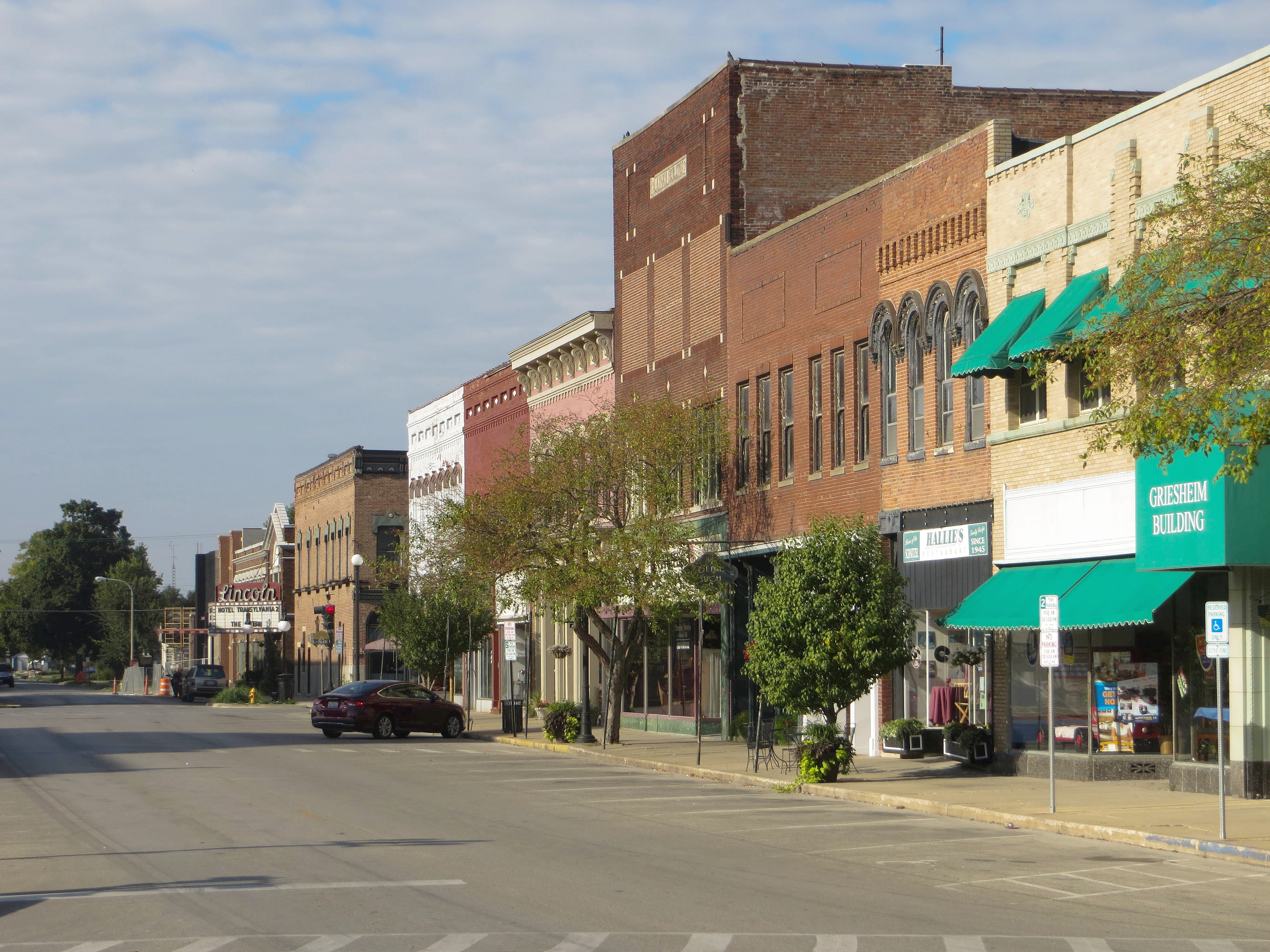
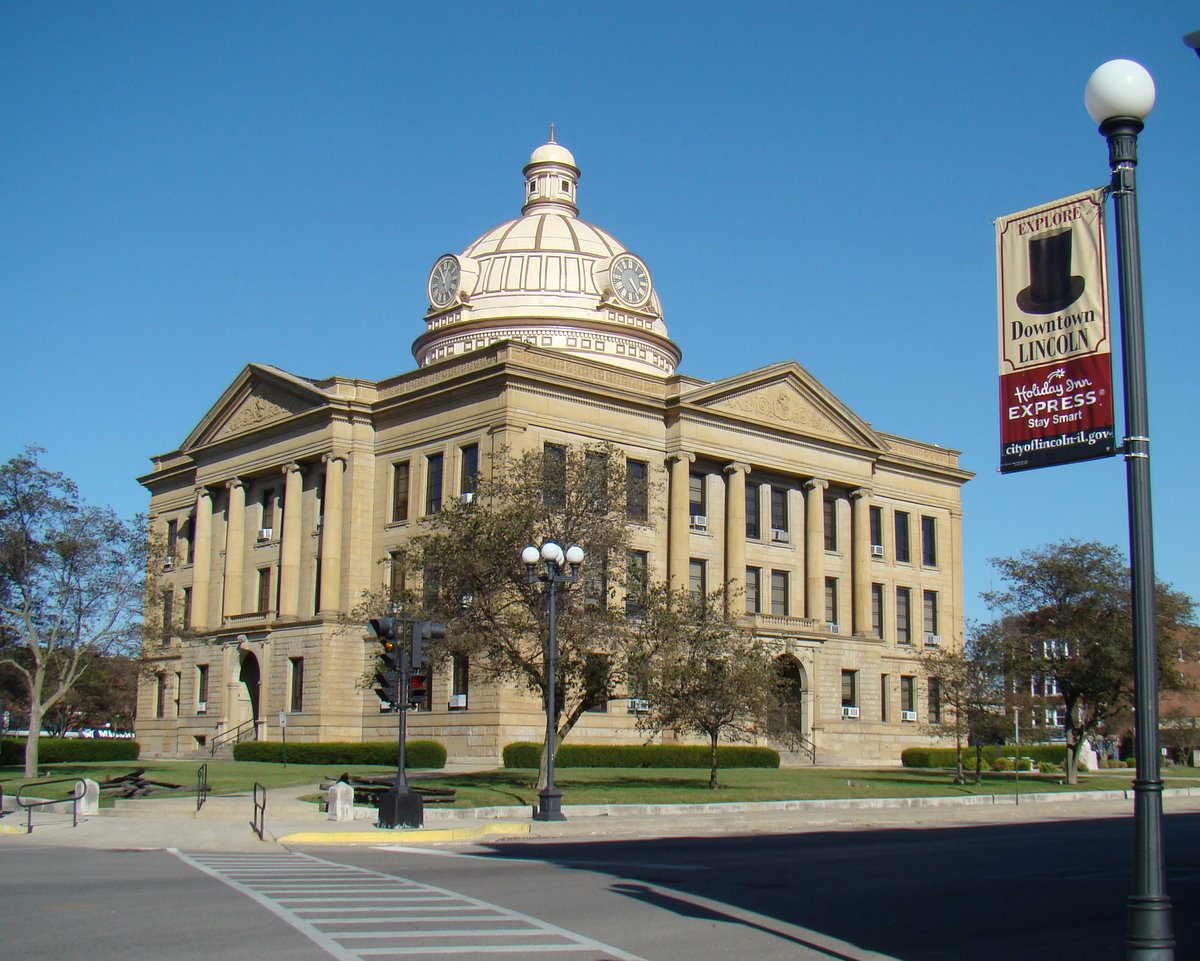
Lincoln, Illinois, is a small city of roughly 13,000 residents and serves as the county seat of Logan County in the central part of the state. It carries a unique distinction as the only city in the world named for Abraham Lincoln before he became president, and that heritage still shapes the town's identity today. The community has a quiet, historic Midwestern feel, with a tidy downtown square anchored by the Logan County Courthouse and a strong sense of local pride tied to its connection with the sixteenth president. Situated about 30 miles northeast of Springfield and roughly the same distance southwest of Bloomington-Normal, Lincoln sits in a region of gently rolling farmland, hardwood forests, and small reservoirs, making it a natural stop for travelers exploring the prairie heart of Illinois.
A short walk from anywhere in the historic downtown brings visitors to the Postville Courthouse State Historic Site, a reconstruction of the small building where Abraham Lincoln practiced law in the 1840s. The site, located on the square, offers guided tours, period furnishings, and exhibits that explain Lincoln's early legal career and his connection to central Illinois. It stands as one of the most tangible links between the future president and the rolling country roads outside Springfield, about a half-hour drive to the southwest.
Just a few steps from the courthouse is the town's most photographed landmark: a large covered wagon that pays tribute to Lincoln's nickname, "The Railsplitter." Displayed on the town square, the wagon nods to the area's nineteenth-century heritage and serves as a quick, recognizable photo stop for visitors passing through. Around the square, small locally owned shops, cafés, and a restored theater give the downtown a walkable, easygoing rhythm that contrasts with the busier interstates that bypass the city.
A little more than half an hour to the northeast, Bloomington-Normal offers additional regional draw, including the headquarters of State Farm Insurance, the campus of Illinois State University, and the David Davis Mansion State Historic Site. To the southwest, the state capital of Springfield opens up a much deeper well of Lincoln-related attractions, including the Lincoln Home National Historic Site, the Abraham Lincoln Presidential Library and Museum, and the historic Old State Capitol, all within a 30- to 40-minute drive.
For short-term-rental owners, Lincoln offers an appealing combination of small-town affordability, strong historical character, and proximity to two of central Illinois's biggest visitor draws. Travelers looking to experience the Lincoln story beyond the major Springfield sites, or simply seeking a peaceful base between Bloomington-Normal and the capital, will find the town's compact downtown, courthouse square, and countryside setting a comfortable and authentic place to stay.
Want to know if a property in Lincoln Square is a good investment?
Enter an address to get instant revenue potential and comps.