
Lake Forest, Illinois
Want to see how Lake Forest compares to other top cities in Illinois? Explore all city regulations in Illinois. →
Lake Forest, IL
Very Investor Friendly
STR Regulations for Lake Forest, Illinois
This guide consolidates the information you provided about short-term rentals (STRs) in Lake Forest, Illinois (and relevant state-level rules) for investors evaluating the market and preparing to operate compliantly.
Overview and Explicit Answer: Are Short-Term Rentals Allowed in Lake Forest, IL?
The provided materials do not identify any city-specific short-term rental ordinance or licensing requirement for Lake Forest. In the absence of local prohibitions, Illinois state law allows short-term rentals as defined by HB 2919 (a residential unit rented for fewer than 30 consecutive days), subject to health and safety standards and tax obligations. Therefore, STRs are allowed in Lake Forest under state law unless and until the city adopts local restrictions. For certainty, consult Lake Forest’s City Codes & Ordinances (linked below) and the Community Development Department.
What do Airbnb hosts actually earn in Lake Forest?
Lake Forest hosts earn a median $37,135/year with $179 ADR and 79% occupancy.
Top performers pull in $46,622+ per year.
See the full Lake Forest market breakdownHow to Start a Short-Term Rental Business in Lake Forest
Because no Lake Forest–specific STR regime was identified, investors should assume compliance with state-level rules and general municipal business and safety requirements.
-
Confirm property eligibility: Under Illinois HB 2919, STRs are defined as residential units (e.g., single-family homes or dwelling units in multi-unit structures) rented for fewer than 30 consecutive days. The definition excludes non-residential units, bed and breakfast establishments, and transient lodgings not classified as residential for property tax purposes.
-
Confirm zoning and life safety: Even without STR-specific rules, properties must meet standard zoning, building, and life-safety codes (e.g., smoke and carbon monoxide detectors, fire extinguishers, safe egress, occupancy limits, and health standards). Lake Forest’s Community Development Department administers building permits and codes; use the city’s building permits portal for inspections and code questions.
-
Register for taxes: Under Illinois SB 2564 (Short Term Rental Occupation Tax Act), hosts or platforms must collect and remit the Hotel Operators’ Occupation Tax (6% of 94% of gross receipts) and any additional local taxes that apply. Registration is through the Illinois Department of Revenue. If you list via platforms like Airbnb or Vrbo, those intermediaries generally handle collection and remittance of state-level taxes for you.
-
Insurance and liability: Although the city materials do not specify minimum coverage, prudent hosts maintain general liability insurance and appropriate property coverage. Adjacent municipalities (e.g., Tinley Park) have required $1 million general liability; adopt similar coverage for risk mitigation.
-
Ongoing compliance: Monitor the city’s municipal code for future STR ordinances and maintain documentation proving compliance with state tax obligations, safety standards, and local building codes.
For state-level guidance and starting steps (registration, licensing where applicable, safety, and inspections), see O’Flaherty Law’s summary and Summer’s state guide (linked below).
Required Documents, Permits, Licenses, and Guidelines
-
Permits/licensing: No Lake Forest STR license was identified in the provided sources. Ensure standard building permits and code compliance for any renovations, life-safety equipment, or occupancy-related improvements. Use Lake Forest’s building permits portal for inspections and related processes.
-
Business registration: Not required specifically for STRs by the provided materials. For tax purposes, register with the Illinois Department of Revenue (IDOR) or rely on platform remittance (if applicable).
-
Tax registration: Under SB 2564, hosts or intermediaries must register with IDOR and collect/remit the Hotel Operators’ Occupation Tax (6% of 94% of gross receipts). Confirm whether any additional local hotel/lodging taxes apply; the city FAQ and municipal code links can be used to check local tax pages.
-
Safety and insurance: Maintain functional smoke and carbon monoxide detectors, fire extinguishers, safe egress, and general liability insurance. While not codified in the Lake Forest materials, these are standard expectations in Illinois municipalities and adjacent examples.
-
Records: Maintain proof of ownership or lease, host contact information, platform registration (if applicable), tax filings and remittance confirmations, and inspection or code compliance documentation.
Specific Regulations (City, County, State)
-
City of Lake Forest: No city-specific short-term rental ordinance or licensing requirement was identified in the provided content. Investors should verify the municipal code for any updates and consult the Community Development Department for building and zoning compliance. See “Contact Information” below.
-
Lake County: The provided materials do not include county-level STR regulations. As with the city, consult county code or the city’s municipal code for any references to county rules.
-
State of Illinois (HB 2919 and SB 2564):
- HB 2919 defines a short-term rental as a residential unit rented for fewer than 30 consecutive days, including units in single-family or multi-unit structures, and excludes non-residential uses, B&Bs, and non-residential transient accommodations.
- SB 2564 imposes the Hotel Operators’ Occupation Tax on STRs: 5% of 94% of gross rental receipts plus an additional 1% of 94% of gross rental receipts, administered by IDOR. Platforms often collect and remit these taxes.
-
Illustrative municipal rules (context only, not Lake Forest):
- Chicago requires a vacation rental license, primary residence occupancy for most small buildings, maximum occupancy limits, and platform/host tax remittance. Non-owner-occupied STRs in small buildings are generally restricted.
- Tinley Park requires a license, primary residence use, $1 million liability insurance, inspections, separation rules, and a license fee.
- Naperville effectively prohibits STRs by ordinance.
- Lake Bluff allows up to six resident-operated STRs under Section 10-4-5 of its municipal code, with a $250 annual registration fee, life-safety standards, and the note that there are no currently licensed STRs in the village.
- Ottawa has a structured licensing process, zoning allowances, occupancy caps, and event restrictions.
Contact Information (Local Authority in Charge of STRs/Community Development)
- City of Lake Forest, Community Development Department
- Phone: 847-810-3502
- Municipal Services Center: 800 Field Drive, Lake Forest, IL
- Building permits and inspections: Use Lake Forest’s building permits portal and inspection scheduling tools (linked below)
- City Codes & Ordinances: Access the online code library (linked below)
For state tax matters:
- Illinois Department of Revenue (IDOR)
- Registration and filing guidance for Hotel Operators’ Occupation Tax under SB 2564 (linked below)
Links to Source Pages (Provided)
-
City of Lake Forest — Frequently Asked Questions (FAQ), Building Permits, City Codes & Ordinances, Building Permits Portal, Inspection Scheduling, Property Information Portal
- www.cityoflakeforest.com/how_do_i_/find/frequently_asked_questions_(faq.php
- www.cityoflakeforest.com/departments/community_development/building_permits.php
- codelibrary.amlegal.com/codes/lakeforest/latest/overview
- www.bsaonline.com/OnlinePayment/OnlinePaymentSearch?PaymentApplicationType=7&uid=2669
- www.bsaonline.com/CD_InspectionRequestV2/RequestInspection?wizardGuid=53712f5c-cd23-4a12-b5ef-864c63e5b8c3&uid=2669
- apps.gisconsortium.org/CommunityPortal/Default.aspx?PL=CLF&PG=12
-
State of Illinois — HB 2919 and SB 2564
-
Legal overview and state guides
-
Illustrative municipal rules (context)
- Lake Bluff STR registration page (Section 10-4-5)
- Chicago Municipal Code reference (shared housing/vacation rentals)
Important Notes for Investors
- The provided materials do not reflect any current city-level restrictions or licensing requirements for Lake Forest. That can change; monitor the city’s code library and Community Development Department notices.
- Regardless of the lack of city STR rules, state law and general municipal building and safety requirements apply. Proactive compliance reduces enforcement risk and protects your investment.
- If you list via major platforms, confirm their current practices for tax collection and remittance under SB 2564 and any local lodging taxes.
- Always seek legal advice or consult the city before listing, especially if you plan multi-unit or non-owner-occupied operations or anticipate renovations that could affect occupancy or life safety.
Next step
Found a property in Lake Forest?
Paste any address and get estimated revenue, cash-on-cash return, and comparable STR performance in under 5 minutes. 3 free analyses per day.
Free brief
Get the free Lake Forest STR Investment Brief
Revenue data, top neighborhoods, seasonal trends, and the key regulations for Lake Forest, Illinois in one email.
Lake Forest
Market Saturation Score
Photos of Lake Forest


Overview of Lake Forest
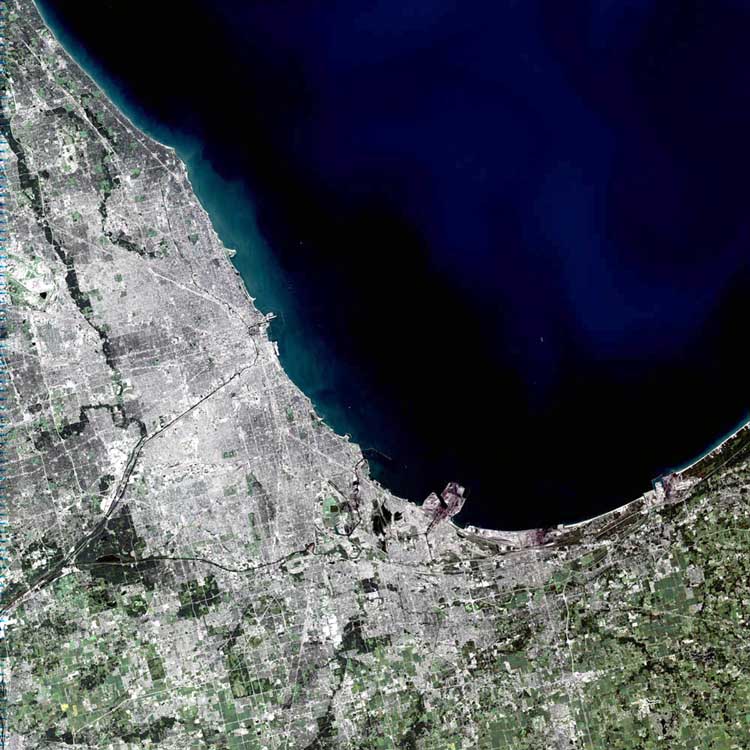
Lake Forest is an affluent suburb situated in Lake County, along the western shore of Lake Michigan in northeastern Illinois. With a population of approximately 19,000 residents, the city carries a quiet, tree-lined character defined by historic estates, ravines, and well-preserved early-twentieth-century architecture. It is widely regarded as one of the North Shore's most prestigious communities, and it serves as a gateway to the chain of affluent lakeside suburbs stretching between Chicago and the Wisconsin border. Lake Forest lies roughly 30 miles north of downtown Chicago, a drive of about 45 minutes in normal traffic, and is also only minutes from the Naval Station Great Lakes complex and the southern reaches of the North Shore Channel.
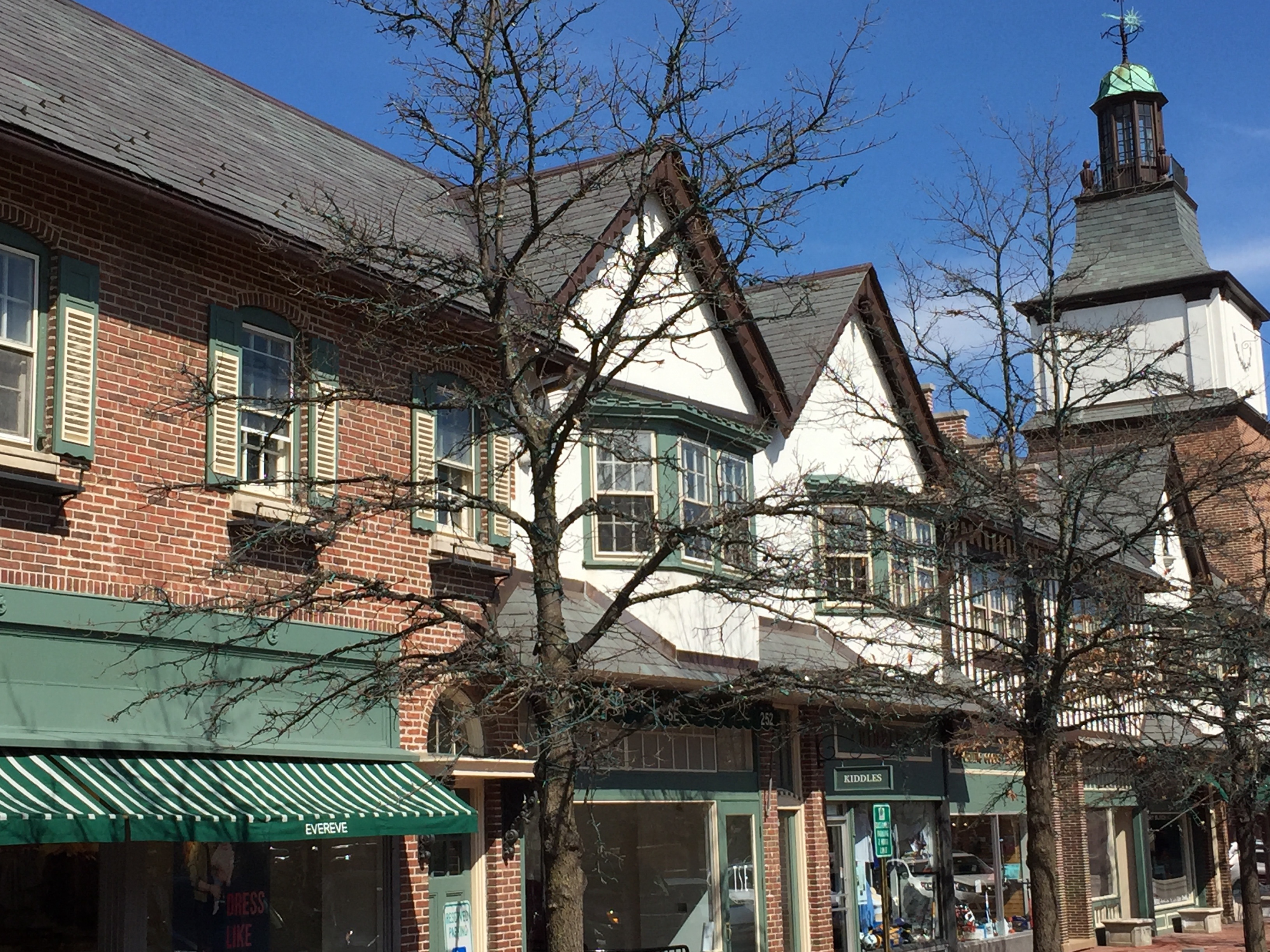
The heart of the city is Market Square, a Tudor Revival shopping and dining district designed in 1917 by architect Howard Van Doren Shaw. Often cited as one of the earliest planned shopping centers in the United States, Market Square remains a charming gathering place of small shops, cafés, and a seasonal farmers market, and it sits within walking distance of the city's Metra commuter rail station, which offers a direct ride into Chicago. Visitors interested in early Lake Forest history will also find the nearby Elawa Farm, a restored 1917 country estate with gardens and walking paths on the city's western edge.
A short drive east brings visitors to the Lake Michigan shoreline, where the city maintains several small beaches and lakefront parks. Fort Sheridan, a former U.S. Army post just to the south, has been redeveloped into a Forest Preserve with miles of hiking and biking trails along the bluffs overlooking the lake. The preserve is only about ten minutes from downtown Lake Forest and offers some of the most scenic public-access shoreline on the North Shore.
Just to the south, in Glencoe, the Chicago Botanic Garden spans nearly 400 acres of landscaped gardens, natural areas, and waterways. A visit typically takes several hours, and the garden is roughly 15 to 20 minutes from Lake Forest by car. The institution draws visitors year-round with seasonal displays, a model railroad garden, and an extensive plant collection. Together with Lake Forest's own cultural offerings, including the Ragdale Foundation, an artists' residency housed in a shingle-style home designed by Shaw, the area provides a layered mix of natural beauty, architectural heritage, and access to Chicago's urban energy.
For short-term rental owners, Lake Forest appeals to a steady stream of visitors: families visiting students at Lake Forest College, business travelers working with nearby corporate campuses, wedding guests drawn to estate venues, and Chicago-area tourists seeking a quieter, greener base. Its proximity to Chicago, easy Metra access, and the natural and cultural attractions of the North Shore make it a versatile location with year-round appeal.
Want to know if a property in Lake Forest is a good investment?
Enter an address to get instant revenue potential and comps.