
Harvard, Illinois
Want to see how Harvard compares to other top cities in Illinois? Explore all city regulations in Illinois. →
Harvard, IL
Challenging To Investors

STR Regulations for Harvard, Illinois
Overview
Short-term rentals are allowed in Harvard, Illinois. However, investors must understand that while no specific Harvard municipal ordinances are provided in the research, short-term rental operations must comply with applicable Illinois state regulations and general municipal zoning requirements. The National League of Cities guide indicates that cities have significant authority to regulate short-term rentals through various mechanisms including location restrictions, timing limits, and manner-of-rental requirements.
Market Entry Strategy
To establish a short-term rental business in Harvard, Illinois, investors should follow this systematic approach:
1. Pre-Launch Research and Planning
- Analyze local market conditions using data sources like Inside Airbnb or AirDNA to understand existing competition
- Determine the optimal property type and location within Harvard
- Establish clear financial projections accounting for higher operational complexity compared to long-term rentals
2. Legal Compliance Assessment
- Verify zoning compliance for short-term rental use
- Secure necessary permits and licenses from local authorities
- Establish compliance with Illinois state tax obligations
- Consider purchasing adequate insurance coverage for commercial short-term rental operations
3. Operational Setup
- Develop professional property management systems or partner with management companies
- Establish cleaning and maintenance protocols
- Create guest communication and check-in procedures
- Implement pricing strategies and marketing on major platforms (Airbnb, VRBO, etc.)
Required Documents, Permits, and Licenses
Based on the National League of Cities analysis of successful municipal STR programs, typical requirements include:
Municipal Requirements:
- Short-term Rental Permit/License - Primary authorization required
- Business Registration - Local business operation permit
- Zoning Compliance Certificate - Verification that property use is permitted
- Fire Safety Inspection Certificate - Health and safety compliance
- Local Contact Registration - 24/7 contact information for emergencies
State-Level Requirements:
- Illinois State Tax Registration - For remittance of state taxes
- Transient Occupancy Tax Registration - If applicable at local level
- Sales Tax Registration - For applicable state and local sales taxes
Documentation Standards:
- Property ownership or lease documentation
- Proof of insurance coverage
- Local emergency contact information
- Guest capacity documentation
- Safety equipment certification (CO detectors, fire extinguishers)
Regulatory Framework
City-Level Regulations (Harvard, IL): No specific municipal ordinances were identified in the provided research. However, Harvard would have general authority to regulate through:
- Zoning restrictions on commercial use in residential areas
- Building and safety code enforcement
- Noise and nuisance ordinances
- Parking regulations
County-Level Regulations (McHenry County): McHenry County may have additional requirements for unincorporated areas or through building codes.
State-Level Regulations (Illinois): Illinois provides the baseline regulatory framework through:
- Illinois Hotel Operators' Occupation Tax Act - State-level taxation
- Municipal home rule powers - Cities can regulate short-term rentals
- Building and safety codes - Health and safety requirements
- Tax collection requirements - State and local tax obligations
Key State Tax Obligations:
- Illinois Hotel Operators' Occupation Tax - Currently 6% plus any applicable local taxes
- Transient Occupancy Tax - May be imposed by municipalities (rates vary)
- Sales Tax - May apply depending on local ordinances
Compliance Best Practices
Operational Requirements:
- Maintain accurate records of all rentals and guest information
- Implement guest screening procedures despite limited screening options for short-term rentals
- Establish clear house rules regarding occupancy limits, noise, and property use
- Provide emergency contact information and local rules to all guests
Tax Compliance:
- Register for appropriate state and local tax accounts
- Implement systems for collecting and remitting taxes
- Maintain detailed financial records for tax reporting
- Consider voluntary collection agreements with major platforms
Property Management:
- Establish professional cleaning and maintenance protocols
- Implement preventive maintenance schedules
- Monitor guest reviews and property conditions regularly
- Maintain emergency response procedures
Enforcement Considerations
Common Enforcement Challenges:
- Proactive monitoring for unregistered operations
- Response to noise and nuisance complaints
- Verification of occupancy limits
- Tax compliance monitoring
Compliance Monitoring Strategies:
- Regular property inspections
- Guest review monitoring
- Neighbor complaint response systems
- Platform listing verification
Contact Information
Harvard Municipal Authorities:
- City Hall: Contact city clerk or planning department for permit information
- Building Department: For safety inspections and zoning compliance
- Finance Department: For tax registration and remittance requirements
McHenry County Authorities:
- County Assessor's Office: For property tax and zoning information
- County Health Department: For safety and health compliance
Illinois State Agencies:
- Illinois Department of Revenue: For state tax registration and compliance
- Illinois Attorney General's Office: For consumer protection and business regulations
Source References
- National League of Cities: Short-Term Rental Regulations Guide (2022)
- Illinois Department of Revenue: Hotel Operators' Occupation Tax information
- Harvard Municipal Code (specific ordinances require local verification)
Important Investment Considerations
Advantages of Short-Term Rentals:
- Potentially 2-5x higher revenue than long-term rentals
- Flexibility in pricing and availability
- Property maintenance opportunities through frequent turnover
- Tax advantages through business deductions
Operational Challenges:
- Significantly more time-intensive management requirements
- Higher vacancy rate susceptibility to seasonal and market fluctuations
- Limited tenant screening capabilities
- Increased operational costs for cleaning and maintenance
Market Risks:
- Vulnerability to economic downturns and external shocks (as demonstrated during COVID-19)
- Increasing regulatory scrutiny at municipal levels
- Competition from established operators
- Potential for regulatory changes affecting operations
Recommended Action Steps:
- Consult with local Harvard authorities for specific municipal requirements
- Engage with McHenry County officials for county-level compliance
- Verify all state tax obligations and registration requirements
- Develop comprehensive business plan accounting for increased operational complexity
- Consider partnering with experienced property management companies familiar with Illinois regulations
Disclaimer: This analysis is based on general regulatory frameworks and may not reflect specific Harvard, Illinois requirements. Investors should verify all local compliance requirements with municipal authorities before commencing operations.
What do Airbnb hosts actually earn in Harvard?
Harvard hosts earn a median $19,114/year with $233 ADR and 38% occupancy.
Top performers pull in $35,620+ per year.
See the full Harvard market breakdownNext step
Found a property in Harvard?
Paste any address and get estimated revenue, cash-on-cash return, and comparable STR performance in under 5 minutes. 3 free analyses per day.
Free brief
Get the free Harvard STR Investment Brief
Revenue data, top neighborhoods, seasonal trends, and the key regulations for Harvard, Illinois in one email.
Harvard
Market Saturation Score
Photos of Harvard
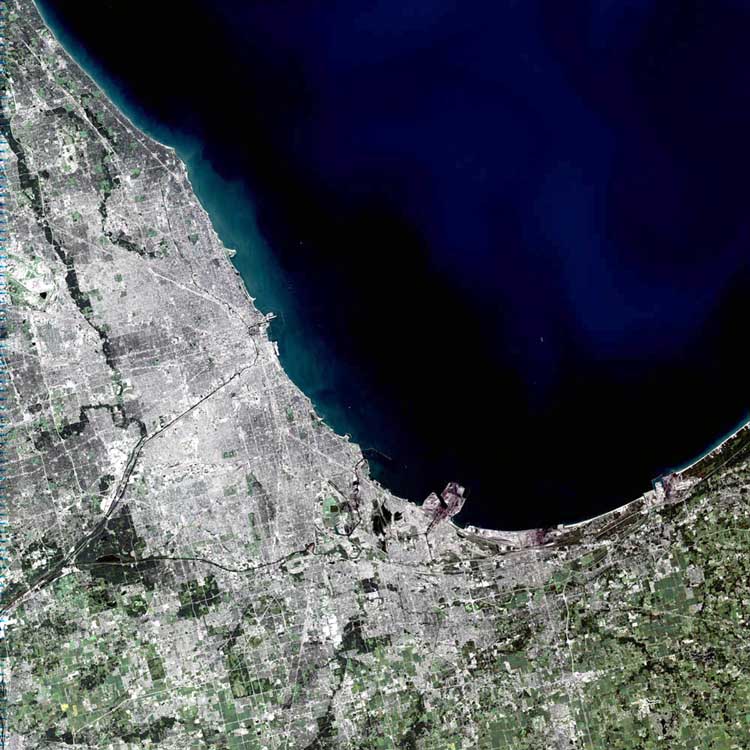


Overview of Harvard
Harvard sits in McHenry County in northeastern Illinois, just south of the Wisconsin border, with a population of approximately 9,000 residents. The city has a quiet, small-town Midwestern character rooted in its nineteenth-century railroad heritage, and it serves as a convenient gateway to the resort communities and natural areas of southern Wisconsin. It lies roughly 65 miles northwest of Chicago, putting it within about a 90-minute drive of the metro area while offering a noticeably slower pace of life and considerably more affordable lodging than the city.
A short drive north brings visitors to Lake Geneva, one of the Midwest's most celebrated resort destinations. Known for its clear lake, historic estates, and walkable downtown, Lake Geneva is approximately 30 miles from Harvard and offers boating, beaches, and shopping that draw weekend crowds from both Chicago and Milwaukee.
The surrounding countryside includes the Hackmatack National Wildlife Refuge, a federal refuge established in 2012 that spans parts of McHenry County, Illinois, and Walworth County, Wisconsin. The refuge protects prairies, wetlands, and woodlands, with public access points within a short drive of the city for hiking, birdwatching, and seasonal hunting. The landscape of gently rolling farmland, scattered woodlands, and small glacial lakes gives the area a rural character that contrasts with the suburban density closer to Chicago.
The historic downtown district reflects Harvard's origins as a railroad junction in the mid-1800s, and the surrounding area still functions as a working small-town center. The region is also close to Woodstock, the McHenry County seat, whose nineteenth-century town square gained wider recognition as the filming location for the movie "Groundhog Day" and now hosts festivals, antique shops, and a popular farmers market.
Harvard's combination of small-town character, easy access to both Chicago and Milwaukee, and proximity to the recreational offerings of southern Wisconsin makes it a practical base for short-term rentals. Guests can spend the day exploring Lake Geneva's waterfront, hiking through the wildlife refuge, or strolling Woodstock's square, then return to a quieter, more affordable setting at the end of the day, or use the city as a convenient overnight stop on longer regional trips across the upper Midwest.
Want to know if a property in Harvard is a good investment?
Enter an address to get instant revenue potential and comps.