
Geneseo, Illinois
Want to see how Geneseo compares to other top cities in Illinois? Explore all city regulations in Illinois. →
Geneseo, IL
Generally Investor Friendly
STR Regulations for Geneseo, Illinois
Overview: Are Short-Term Rentals Allowed in Geneseo, IL?
- Yes. There is no explicit citywide ban on short‑term rentals in the sources reviewed for Geneseo. The default assumption is that STRs are allowed where the underlying residential or commercial zoning permits “residential rental” occupancy.
- However, the City has adopted extensive building, zoning, fire, life‑safety, electrical, plumbing, and property‑maintenance codes, and all construction, alterations, and changes of use must meet those requirements. If your STR involves any construction or changes that trigger city review (e.g., converting a basement, finishing an attic, adding bathrooms/kitchens, creating separate entrances, installing pools or mechanicals), you must obtain the appropriate permits and inspections.
- You should confirm zoning and use‑permissions with Planning & Zoning. If the property is within a floodplain overlay or other special overlay (e.g., historic districts, wetlands), additional reviews and restrictions apply.
- At the state level, Illinois has safety and licensing rules that affect lodging operations; see “State of Illinois (IL) Regulations” below.
How to Start a Short‑Term Rental Business in Geneseo
- Confirm Use Eligibility and Zoning
- Confirm that your property’s zoning and land use permit a short‑term rental or transient lodging. In many communities, STRs are treated as “rental” (owner‑occupied or not). Geneseo requires zoning approval before the use or occupancy of any land, building, or structure changes (e.g., residential to lodging). The City encourages an appointment with Planning & Zoning; projects that require zoning board or plan commission review need a hearing and approval prior to operation.
- If your STR will host events, parties, or commercial services at a level beyond normal lodging, check whether a special use permit is required.
- Choose an STR Model and Site Layout
- Decide between owner‑occupied (e.g., a single room or accessory dwelling) versus whole‑unit rentals.
- If any interior or exterior changes are planned (e.g., interior walls, basement finishing, adding bathrooms, new kitchenettes, decks, pools, sheds, signs, entrances), start with the Building Department to determine permitting requirements.
- Design and Permitting
- Engage licensed professionals as needed. For significant projects, the City may require plan review by a chosen engineer/architect at the builder’s expense.
- For specific building/trade work, obtain the required permits:
- Building Permit: additions; structural alterations; basement/attic finishing; pools over 18” or >5,000 gallons; wood/gas stoves/fireplaces; roofing/siding/windows; demolition; electrical service changes; plumbing work.
- Electrical Permit: all solar projects; any significant wiring changes; pool wiring must comply with the National Electrical Code.
- Plumbing Permit: adding new connections or openings; pools that connect to water/sewer.
- Planning/Zoning Permit: any change of use, new accessory buildings (over 120 sq ft), pools (including setbacks), signs, fence/walls, and work within floodplain or wetland overlays.
- Fire/Life Safety Reviews: may be required for fire code compliance (e.g., egress, detectors, CO alarms).
- Floodplain Review: required for activities in the Flood Plain Overlay District (filling, grading, structures, obstruction, clearing, and any work within 150 ft of watercourses).
- Obtain inspections as required:
- Typical sequence: footings, foundation walls, pre‑cover (rough‑ins), and final inspections. Additional inspections may be required for special projects.
- Safety systems for STR units:
- Smoke detectors: within each bedroom; within 15 ft of outside of bedrooms; one on each level, including basement and finished attics.
- Carbon monoxide detectors: within 15 ft of outside of all sleeping rooms (recommended near the furnace area).
- Electrical/plumbing work must be performed by licensed electricians/plumbers if not owner‑occupied or if a rental property.
- Other Department Approvals (as applicable)
- Sewer and Water Department: approvals needed if connecting to public sewers or potentially affecting city infrastructure.
- Street/Engineering: approvals for work affecting curbs, sidewalks, driveways, and any work in floodplains/wetlands.
- Health Department: approvals for food establishments or properties on septic systems—especially where digging or septic load changes are proposed.
- STR Setup and Operations
- Post safety information and house rules consistent with city codes (no smoking where prohibited; firearm prohibitions; substance policies; safety egress).
- Retain documentation of permits and inspections; keep CO/smoke detector records; keep maintenance logs.
- If operating with any lodging licensing at the state level, obtain and maintain required IDPH lodging permits (see “State of Illinois (IL) Regulations”).
- Taxes and Fees
- Collect and remit applicable state and local taxes. In Illinois, STRs are generally subject to the state sales tax rate on the rental charge, plus any locally imposed hotel taxes where applicable (see “State of Illinois (IL) Regulations”). The city’s sources do not specify a local hotel/motel tax; confirm with City Hall (309‑944‑6419) and the Illinois Department of Revenue for current rates and registration requirements.
Required Documents, Permits, Licenses, and Guidelines Permits and approvals may include:
- Building Permit (for construction/alterations)
- Electrical Permit (for wiring/solar/pools/equipment)
- Plumbing Permit (new connections/openings/pools)
- Planning/Zoning Permit (use changes; accessory buildings; pools; signs; fences/walls; floodplain/wetlands; setbacks)
- Floodplain approvals (for any work in the Flood Plain Overlay District or within 150 ft of watercourses)
- Fire Marshal approvals (as required for occupancy/life safety)
- Sewer and Water approvals (connection/impact to public systems)
- Street/Engineering approvals (curb, sidewalk, driveway, public right‑of‑way, or floodplain/wetlands)
- Health Department approvals (food establishments; septic systems; digging that impacts septic systems)
- Contractor Registration and Insurance (contractors must register and carry appropriate insurance to pull permits)
- IDPH lodging permits (if required by the Illinois Lodging Establishment Act—see “State Regulations”)
- Plan Review (for large or complex projects)
- Business Registration/Taxes: state and local sales taxes and any hotel/motel taxes; consult the Illinois Department of Revenue and City Hall for current requirements
Documents typically required for permits:
- Permit application(s)
- Site plan (for additions, accessory buildings, pools; include setbacks and easements)
- Construction drawings/blueprints (as applicable)
- Contractor registration and up‑to‑date insurance and licenses
- Professional engineering/architectural plan review documents (when required)
- Floodplain development permit package (if in overlay)
- Health/septic documentation (if applicable)
Specific Regulations: City of Geneseo
- Zoning and Use: Any change of use must receive zoning review/approval; projects requiring hearings go before the zoning board or plan commission. The City recommends scheduling an appointment with Planning & Zoning.
- Building Codes (adopted): 2012 International Building Code; 2012 International Residential Code; 2012 International Fire Code; 2012 International Property Maintenance Code; 2012 International Mechanical Code; 2018 Life Safety Code (NFPA 101); 2014 National Electric Code; 2004 Illinois State Plumbing Code.
- Key Life Safety Requirements:
- Smoke detectors: in each bedroom; within 15 ft of outside of bedrooms; one on each level (including basement and finished attics).
- Carbon monoxide detectors: within 15 ft of outside of all sleeping rooms (furnace area recommended).
- Egress and fire code compliance for all occupancies.
- Pools:
- Permit required for any pool > 18″ deep or >5,000 gallons.
- Non‑residential pools require both IDPH and City permits.
- Site plan required (size, location, setbacks).
- Must be located in the rear yard; cannot be placed over easements.
- Minimum 5 ft side/rear setbacks.
- Fence requirement: minimum 4 ft fence; or 48″ non‑climbable sides with protected access. Gates must be self‑closing and lockable from the poolside.
- All pools must be wired in accordance with the National Electrical Code.
- Accessory Buildings (Sheds, etc.):
- Permits required for accessory buildings over 120 sq ft.
- Setbacks: 5 ft from property line; not over utility easements.
- Anchors must resist 110 mph wind loads.
- Fences and Walls:
- Up to 7 ft allowed in residential districts; may be built on lot lines if decorative surface faces outward.
- Corner lots must maintain line‑of‑sight clearances; designated view corridors required for maximum visibility on both street frontages.
- Floodplain Overlay District:
- City regulates all activities impacting watercourses or floodplains, including storage, removal, deposition of material; obstruction, construction, alteration, pollution; earth moving, filling, construction; tree clearing; and activities within 150 ft upland.
- A floodplain development permit is required for such work.
- Building/Trade Licensing:
- Licensed electricians/plumbers required for commercial and rental properties; homeowner exceptions apply only to owner‑occupied, non‑rented projects. Licensed contractors required for electrical/plumbing/roofing work.
- Inspection Workflow:
- Inspections include footings, foundation walls, pre‑cover (rough‑ins), and final; additional inspections may be required.
- Calling for inspections: Rick Mills (Building) 309‑489‑6555; Butch Motzer (Plumbing) 309‑945‑5059; Rick Preston (Electrical) 309‑489‑6549; City Hall 309‑944‑6419.
- Permit Applications:
- Location: Geneseo City Hall, 115 S. Oakwood Ave., Geneseo, IL 61254. Normal business hours: Monday–Friday, 8 AM–4 PM. Applications can be submitted in person, online, or by phone with credit card payment.
Specific Regulations: Henry County, Illinois (County level)
- The sources provided do not show county‑specific short‑term rental licensing or occupancy regulations for Henry County. The City’s building, zoning, fire/life safety, and property‑maintenance codes will control STRs within Geneseo. Check with the Henry County Health Department and Henry County Planning & Zoning for any county‑level overlay, septic, or on‑site wastewater rules that affect your site.
State of Illinois (IL) Regulations
- Lodging Establishment Licensing:
- The Illinois Department of Public Health administers rules governing lodging establishments (e.g., hotels, motels, and certain lodging houses). A lodging establishment serving more than five guests at a time or offering accommodations for five or more rooms typically requires an IDPH license.
- Many traditional single‑family STRs do not need an IDPH license, but certain configurations or services may trigger the licensing requirement. Confirm applicability with IDPH (see Contacts below) before operating.
- Sales and Hotel Taxes:
- STRs are generally subject to the state sales tax rate on the rental amount, plus any local hotel/motel taxes where applicable. Registration and remittance are handled through the Illinois Department of Revenue.
- Specific rates vary by jurisdiction; the Geneseo sources do not state a local hotel/motel tax. Confirm with City Hall and the Department of Revenue for current rates and registration requirements.
- Life Safety Codes:
- The City has adopted the 2012 IFC and 2018 Life Safety Code (NFPA 101). Ensure egress, fire protection, and occupancy requirements are met for STR guests.
- Alcohol and Controlled Substances:
- All city sources reviewed prohibit the use/possession/sale of alcohol and controlled substances in park district properties; for STRs, local zoning and noise/conduct ordinances apply. Do not operate a “mini‑bar” or on‑premise alcohol service in a dwelling unit without verifying state alcohol laws and licensing.
- Weapons:
- Weapons/concealed carry are strictly prohibited on park district property; in STRs, follow state firearm laws and clearly state house rules.
Contact Information (Geneseo STR Authority and Support)
- City Hall (General Permitting and Information)
- Address: 115 S. Oakwood Ave., Geneseo, IL 61254
- Phone: 309‑944‑6419
- Website: City of Geneseo – Building & Zoning Department
- Planning & Zoning
- Contact through City Hall; request an appointment to discuss zoning, hearings, and special use permits.
- Building Department – Inspectors (Permit Questions and Inspections)
- Rick Mills, Building Inspections: 309‑489‑6555
- Rick Preston, Electrical Inspections: 309‑489‑6549
- Butch Motzer, Plumbing Inspections: 309‑945‑5059
- Fire Marshal (Occupancy and Life Safety)
- Contact through City Hall for Fire Marshal approvals.
- Sewer and Water Department
- Contact City Hall for connections or impacts to public sewer/water infrastructure.
- Street/Engineering Department
- Contact City Hall for approvals affecting curbs, sidewalks, driveways, or floodplain/wetlands.
- Health Department (Septic/Food Service)
- Contact City Hall for referrals to the appropriate Health Department for septic and food service reviews.
- Illinois Department of Public Health (IDPH) – Lodging Establishments
- General Information: 217‑782‑4977
- Website: IDPH Lodging Establishments (for licensing requirements and applications)
- Illinois Department of Revenue (IDOR) – Sales/Hotel Taxes for STRs
- General Information: 800‑732‑8866 or 217‑782‑3336
- Website: IDOR Taxpayer Services (for registration and filing guidance)
Key Source Links (as provided)
- City of Geneseo – Permit Questions and Policy (PDF):
What do Airbnb hosts actually earn in Geneseo?
Geneseo hosts earn a median $17,698/year with $109 ADR and 51% occupancy.
Top performers pull in $24,131+ per year.
See the full Geneseo market breakdownNext step
Found a property in Geneseo?
Paste any address and get estimated revenue, cash-on-cash return, and comparable STR performance in under 5 minutes. 3 free analyses per day.
Free brief
Get the free Geneseo STR Investment Brief
Revenue data, top neighborhoods, seasonal trends, and the key regulations for Geneseo, Illinois in one email.
Geneseo
Market Saturation Score
Photos of Geneseo


Overview of Geneseo
Geneseo is a small, welcoming city in Henry County, in northwestern Illinois, with a population of roughly 6,500 to 7,000 residents. Set among the corn and soybean fields of the upper Midwest, the town carries the easy pace of a classic American farm community, with a tidy historic downtown, tree-lined streets, and an annual calendar shaped by local fairs, festivals, and high-school traditions. It is best known as the home of the famous "Big Goose," a towering concrete waterfowl that has become the unofficial mascot of the community, and it serves as a quiet gateway to the larger Quad Cities metropolitan area, which sits about twenty-five miles to the west along the Mississippi River.
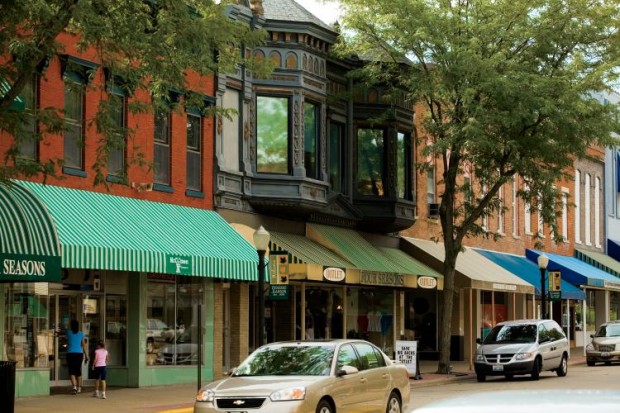
Downtown Geneseo is anchored by the Big Goose, a twelve-foot-tall concrete sculpture that has drawn visitors and road-trippers for decades and remains the most photographed landmark in town. The surrounding blocks hold locally owned shops, cafés, and the well-preserved storefronts of a late-nineteenth-century county seat, all within easy walking distance of one another and a pleasant stop for guests looking to stretch their legs after a long drive.
Just east of town, the Hennepin Canal Parkway State Park traces a converted nineteenth-century towpath across Henry County and into the surrounding countryside. The corridor offers miles of flat crushed-stone trail popular with cyclists, runners, and walkers, along with quiet stretches of canal water for fishing and paddling. It is a particularly attractive option for families and outdoor travelers who want a low-effort, low-key day outside without driving far from their rental.
About a half-hour to the west, the Quad Cities open up a much wider range of cultural and entertainment options. Visitors can explore the Rock Island Arsenal, a historic island military installation on the Mississippi, browse the collections at the Figge Art Museum in Davenport, or take in a concert or baseball game along the riverfront. Major events like the Bix Beiderbecke Memorial Jazz Festival and the John Deere Classic add seasonal demand for nearby lodging, and Geneseo's location makes it a comfortable base for guests who would rather stay somewhere quieter.
For short-term rental owners, Geneseo offers an appealing combination of small-town calm, strong regional identity, and proximity to a sizable metro market. Visitors get the charm of a place with a genuine sense of community and a recognizable roadside mascot, while still being a short drive from riverfront dining, museums, and the events that regularly fill hotels in the Quad Cities.
Want to know if a property in Geneseo is a good investment?
Enter an address to get instant revenue potential and comps.