
Arcola, Illinois
Want to see how Arcola compares to other top cities in Illinois? Explore all city regulations in Illinois. →
Arcola, IL
Very Investor Friendly
STR Regulations for Arcola, Illinois
Overview: Are Short-Term Rentals Allowed in Arcola, IL?
- Allowed in commercial zones: Yes, short-term rental operations of the “hotel/boarding-house/lodging room” type are permitted uses in the B-1 General Commercial District (hotel/motel) and are also permitted by special permit (conditional use) in the B-2 Highway Commercial District (hotel/motel, nursing homes, assisted living, residential care facilities).
- Allowed in residential zones: No, short-term rentals that rent the entire dwelling for fewer than 30 days to transient guests are not listed as permitted uses in the R-1, R-2, R-3, R-4, or RD (Rural Development) districts. Operating a transient lodging business in these residential districts would be unlawful without a successful zoning action (e.g., a text amendment, planned unit development, or special use) granted by the City Council and Plan Commission, which is unlikely for a standard STR use.
- Bottom line for investors: The most straightforward, compliant path is to operate within the B-1 General Commercial District as a permitted “hotel” use or in B-2 as a permitted “hotel/motel” use; avoid or relocate residential-zoned listings unless you secure prior city approval.
What do Airbnb hosts actually earn in Arcola?
Arcola hosts earn a median $14,522/year with $139 ADR and 46% occupancy.
Top performers pull in $24,463+ per year.
See the full Arcola market breakdownHow to Start a Short-Term Rental Business in Arcola
- Site selection and zoning check
- Identify and verify the zoning district with the Zoning Officer using parcel information or the official zoning map. For a new operation, prioritize B-1 first, B-2 second.
- Confirm the subject property’s lot size, setbacks, height, parking capacity, and adjacency to residential uses. These affect signage and intensity.
- Disclose and permit plan
- Disclose to the City (Zoning Officer) that you intend to operate a lodging establishment (hotel/boarding-house/lodging room) for transient guests in a commercial zone and obtain written zoning confirmation.
- If the property is not currently in B-1 or B-2, consider relocation or a rezoning/Special Use application. If an STR will be part of a mixed-use or residential development, evaluate the feasibility of a Planned Unit Development (PUD) process in R-4, recognizing PUDs must still satisfy all zoning requirements and approvals.
- Building and occupancy permits
- Obtain a building permit for any construction, alteration, or conversion; ensure the work complies with the Zoning Ordinance (bulk, setbacks, parking, signage).
- Secure an occupancy permit prior to operation.
- Tax registrations
- Register with the Illinois Department of Revenue for Sales Tax (including the Local Government Tax or Hotel/Motel Tax if applicable).
- Set up local transient tax remittance if the City or County imposes one (Douglas County may assess a hotel/motel tax; contact the County Treasurer/Revenue department for details).
- Insurance and operations
- Secure general liability, property, and (if applicable) liquor liability coverage tailored to hospitality operations.
- Establish operational standards for noise, trash, guest conduct, occupancy limits (if any), and signage that align with the City’s performance and signage requirements.
- Ongoing compliance
- Maintain records for taxes, permits, and inspections.
- Monitor and enforce the City’s zoning performance standards (noise, glare, odor, refuse, landscaping, drainage, etc.) and the City’s sign regulations.
Required Documents, Permits, Licenses, and Guidelines
City zoning and general approvals
- Zoning verification from the Zoning Officer confirming permitted lodging use (hotel/boarding-house/lodging room) and any conditions.
- Building permit(s) and inspections for any construction, renovation, or conversion.
- Occupancy permit issued by the City after inspections.
- Special Use Permit (if operating in B-2, where hotel/motel are permitted but may still require review) and/or Plan Commission/City Council review.
- For redevelopments in residential areas, pursue a PUD, a text amendment, or variance only if a legitimate pathway exists.
State registrations and taxes
- Illinois Department of Revenue sales tax registration (including hotel/motel tax if applicable).
- Compliance with the Illinois Hotel/Motel Act (guestroom fire safety) and Illinois Accessibility Act (when applicable to public accommodation, plan reviews and permits may be required).
County-level
- Douglas County transient tax registration if the County administers such a tax.
- Onsite sewage/disposal compliance if not connected to municipal sewer (ensure health approvals where required).
Operations
- Property management plan covering occupancy limits, guest policies, trash/recycling service, noise control, parking management, signage, and emergency procedures.
- Recordkeeping for taxes, guest registry (as applicable), and inspection readiness.
Specific Regulations (City, County, and State)
Arcola Zoning Ordinance (Chapter 25) – relevant highlights
- Zoning districts and STR positioning:
- B-1 (General Commercial): Hotels are a permitted use; boarding houses and lodging rooms are permissible under the same lodging-use category or similar lodging services. Apartments are allowed by Special Use on the second floor or higher with separate entrances and floor-area limits (for mixed-use only).
- B-2 (Highway Commercial): Hotels, motels, nursing homes, assisted living, residential care facilities are permitted. STR lodging uses may be treated as hotel/motel and qualify here.
- Residential districts (R-1, R-2, R-3, R-4, RD): No listing or recognized category for “tourist home” or “whole-home STR.” Operating transient lodging here is unlawful unless a special process approves the use.
- Lot and bulk controls (examples):
- B-1: No minimum lot area/width specified in the table; building height up to 60 ft permitted.
- B-2: Minimum lot area 21,700 sq ft; minimum front yard 50 ft; side yard 30 ft; side/corner yard 30–50 ft; building height up to 35 ft.
- Signage: The City’s sign rules (Section 25-7-5) govern wall, ground, roof, and temporary signs. Confirm allowable signs, sizes, locations, and illumination limits.
- Parking requirements (selected lodging uses):
- Hotels/motels: 1 space per unit (typical for lodging; see Section 25-7-3(a)(6)).
- Churches/assembly: 1 space per 4 seats.
- Retail commerce and other service commerce: Additional ratios apply in the same section.
- Performance standards (Section 25-7-2):
- Controls noise, odor, glare, vibration, refuse, screening, landscaping, and drainage that affect neighboring properties.
- All commercial activity must avoid impacts that harm health, welfare, or property; lighting must not spill onto adjacent residential properties; refuse must be properly contained.
- Administration and enforcement (Article IX):
- Zoning Officer issues building permits, occupancy permits, and conducts inspections.
- Variances, special uses, and appeals are handled via the Zoning Board of Appeals and City Council/Plan Commission procedures with public hearings.
- Violations can trigger penalties and permit revocations.
Illinois state laws and standards
- Illinois Hotel/Motel Act (Fire Safety): Establishes minimum fire safety requirements for lodging facilities, including guestroom safety systems and life safety codes. Compliance is typically required prior to issuance of final occupancy permits in commercial lodging contexts.
- Illinois Accessibility Act (as applicable): New construction and alterations in public accommodations must provide accessible entrances, routes, and facilities where trigger thresholds are met.
- Sales Tax and Hotel/Motel Tax: Registration with the Illinois Department of Revenue is required; taxes apply to charges for lodging and may include local hotel/motel taxes. The City does not administer a local lodging tax under the provided sources, but the County or state-level obligations can apply.
Douglas County
- If Douglas County administers a hotel/motel tax or other local transient taxes, operators must register and remit taxes accordingly. Contact the County Treasurer or revenue office for details and current rates.
Contact Information
-
City of Arcola – City Hall/Zoning
- Phone: 217-268-4344
- Website: www.arcolaillinois.org/
- Office location: Arcola City Hall, 114 N. Oak Street, Arcola, IL 61910 (municipal business hours)
- Purpose: Zoning verification, permits, special use/PUD inquiries, sign permits, occupancy permits, enforcement questions.
-
Arcola Zoning Officer and Plan Commission
- Administered through City Hall. Contact the Zoning Officer to initiate zoning verification, building and occupancy permit processes, or to file special use, variance, or PUD applications.
-
Douglas County Treasurer/Revenue (for county-level tax questions)
- Phone: Use City Hall for referral or Douglas County Circuit Clerk’s Office for county administration contacts.
- Purpose: County hotel/motel tax registration and remittance (if applicable).
Links to Source Pages
- Arcola Zoning Ordinance, Chapter 25: www.arcolaillinois.org/vertical/sites/%7BEB6C516F-456C-4E2C-82FA-C414C30C76ED%7D/uploads/Chapter_25_Zoning.pdf
Practical Notes for STR Investors
- Align with the City’s permitted uses. The surest compliant route is a B-1 “hotel” use or B-2 “hotel/motel” use.
- Avoid residential-zone listings unless you have prior City approval (e.g., approved PUD or special use), as such operations would be unlawful.
- Treat the property as a lodging business. Install and maintain compliant signage, parking, trash/recycling service, and guest policies consistent with the City’s performance standards.
- Confirm county/state taxes and fire/life-safety requirements before opening; obtain occupancy permits and ensure accessibility if triggers apply.
- Retain a local attorney or land-use consultant when pursuing special uses, PUDs, or variances. The Plan Commission and City Council control approvals, and public hearings and votes are required.
This guide synthesizes the Arcola Zoning Ordinance, the City’s administrative procedures, and applicable Illinois lodging and tax frameworks. Because zoning compliance is fact-specific (parcel-by-parcel, district-by-district), investors should initiate a zoning verification and permit dialog with the Zoning Officer before acquisition or conversion.
Next step
Found a property in Arcola?
Paste any address and get estimated revenue, cash-on-cash return, and comparable STR performance in under 5 minutes. 3 free analyses per day.
Free brief
Get the free Arcola STR Investment Brief
Revenue data, top neighborhoods, seasonal trends, and the key regulations for Arcola, Illinois in one email.
Arcola
Market Saturation Score
Photos of Arcola

Overview of Arcola
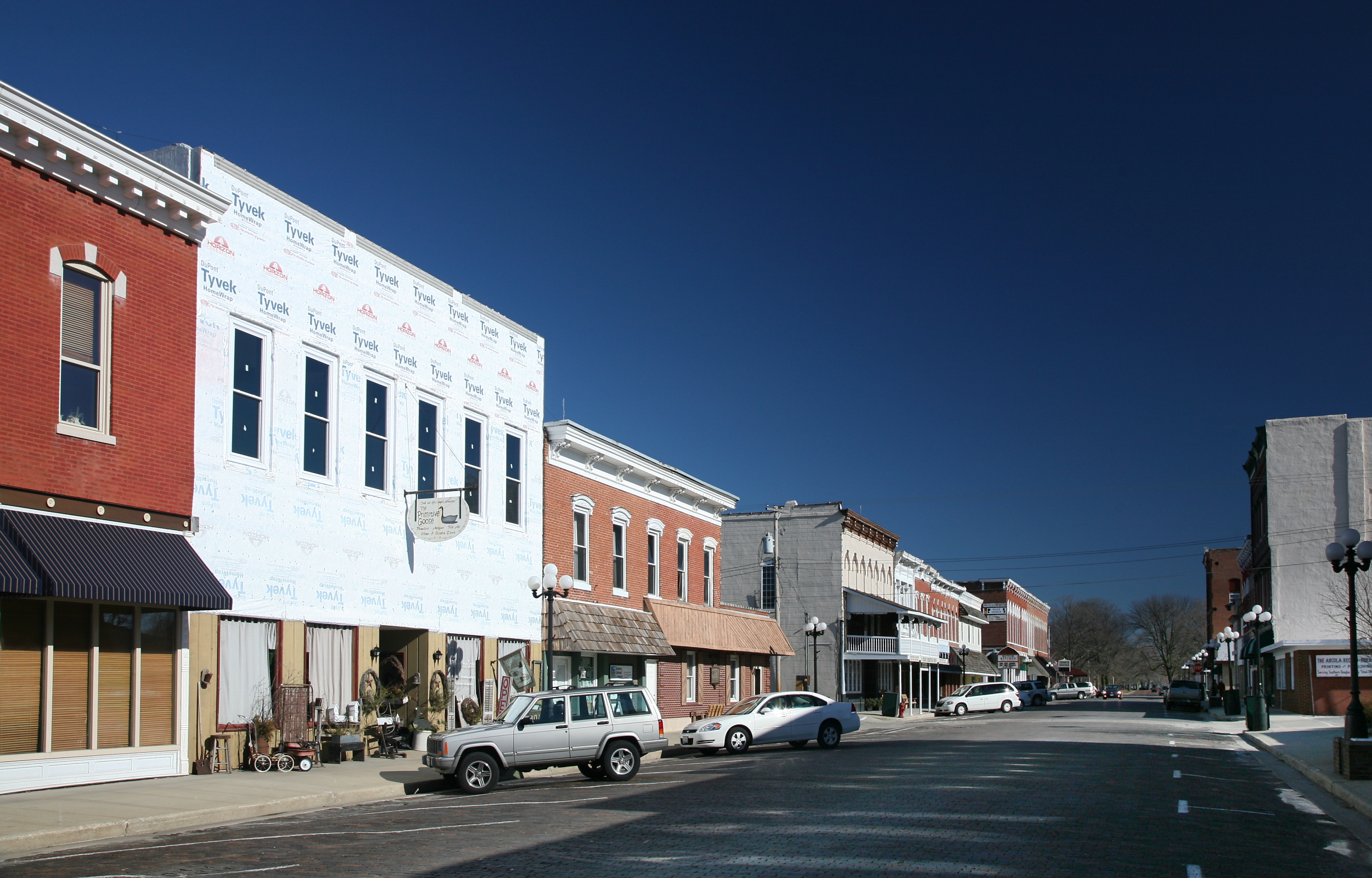
Arcola is a small city in Douglas County, Illinois, situated in the agricultural heart of east-central Illinois. With a population of roughly 2,800 residents, the town has a quiet, unhurried character shaped by its deep roots in farming tradition and its well-known ties to the surrounding Amish and plain communities. Travelers passing through typically associate Arcola with pastoral scenery, handcrafted goods, and a slower pace of life, and it serves as a natural gateway to the broader Illinois Amish Country that extends across Douglas and neighboring counties. The community lies approximately twenty miles south of Champaign-Urbana, the nearest metropolitan hub and home to the University of Illinois, making Arcola an easy side trip for visitors exploring the region.
One of the most recognizable attractions in and around Arcola is Rockome Gardens, a sprawling garden and folk-art complex just outside town that has been welcoming visitors for decades. The grounds feature themed flower gardens, walk-through caves, wooden bridges, and structures inspired by Amish craftsmanship, creating a family-friendly stop that draws guests throughout the warmer months. From downtown Arcola, the gardens are only a short drive of a few miles, making them a convenient anchor for a day of sightseeing in the area.
A short distance west of Arcola, travelers can explore the Illinois Amish Interpretive Center, which offers exhibits on the history, beliefs, and daily life of the Amish settlers who came to east-central Illinois in the nineteenth century. The center, located within roughly five miles of Arcola, also helps orient visitors to the surrounding countryside, where working Amish farms, roadside produce stands, quilt and furniture shops, and horse-drawn buggies remain part of the everyday landscape. Together, the interpretive center and the surrounding rural routes offer a chance to experience one of the larger Amish settlements in the Midwest without venturing far from town.
Back in the heart of Arcola, the historic Arcola Opera House stands as a cultural landmark and a point of community pride. Built in the nineteenth century and restored over the years, the venue continues to host live performances, plays, and musical events, giving the small downtown a surprising dose of arts programming for a town of its size. Combined with locally owned diners and antique shops, the opera house contributes to a small but lively downtown core that rewards an unhurried stroll.
For short-term rental investors, Arcola offers a distinctive niche: a quiet, affordable base positioned between Champaign-Urbana's urban amenities and the rural charm of Illinois Amish Country. Visitors seeking a slower, heritage-oriented getaway — paired with easy day trips to university events, agricultural fairs, or nearby outdoor recreation — find Arcola a welcoming and conveniently located stop in east-central Illinois.
Want to know if a property in Arcola is a good investment?
Enter an address to get instant revenue potential and comps.