
Fort Dodge, Iowa
Want to see how Fort Dodge compares to other top cities in Iowa? Explore all city regulations in Iowa. →
Fort Dodge, IA
Challenging To Investors
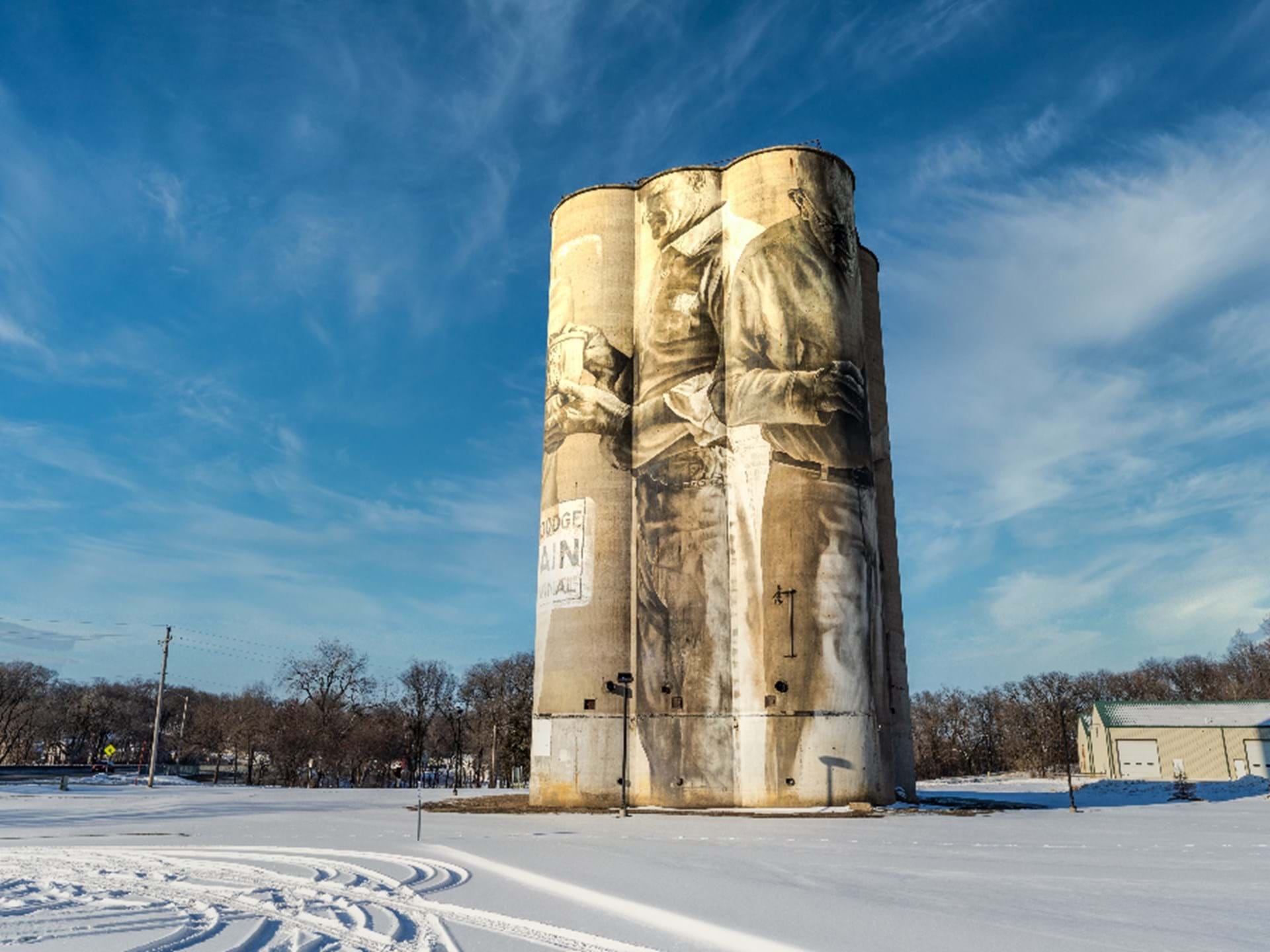
STR Regulations for Fort Dodge, Iowa
Overview: Are STRs allowed in Fort Dodge, IA?
- Short‑term rentals are generally treated as “lodging houses” under Fort Dodge’s zoning code and are likely permitted in several districts as a special/conditional use, subject to compliance with building, life safety, and local licensing rules. Because Fort Dodge does not publish a standalone STR ordinance in the documents provided, investors must verify zoning and licensing on a case‑by‑case basis and comply with Iowa’s statewide framework and the city’s general property standards.
How to start a short‑term rental business in this market
- Step 1: Confirm zoning eligibility. Identify your property’s zoning district and determine whether a “lodging house” (STR) or “bed & breakfast” (B&B) is allowed by right or requires a special/conditional use permit. In many residential and commercial districts, lodging uses are special exceptions and must meet district‑specific criteria (setbacks, parking, occupancy limits, signage limits).
- Step 2: Secure zoning approvals. If a special/conditional use is required, submit an application to the City Plan and Zoning Commission and obtain City Council approval. Coordinate any site plan review, if applicable, to meet development standards.
- Step 3: Comply with local licensing and registration. If your STR qualifies as a lodging house or a bed & breakfast, obtain the necessary city business license/permit and comply with inspections. The Zoning Administrator (contact below) can confirm the precise licensing process.
- Step 4: Meet property standards and safety. Align the unit with Fort Dodge’s exterior/interior property standards (weed control, rodent control, sidewalk/maintenance standards) and adopt life‑safety measures (smoke/CO detectors, extinguishers, posted emergency info, safe egress). Confirm any fire code or Iowa Hotel/Motel Licensing Act requirements that apply.
- Step 5: Insurance. Secure robust liability and property coverage. Note: Des Moines, IA requires $500,000 liability for STRs; this is not binding in Fort Dodge but illustrates a strong baseline for underwriting and risk management.
- Step 6: Operating controls. Establish quiet hours, occupancy limits, parking and trash rules, and guest policies. Maintain records for local inspections and state reporting (sales/lodging taxes).
Required documents, permits, licenses, and guidelines
- Zoning confirmation letter or special/conditional use permit from the City (if required in your district).
- Business license/registration from the City, if applicable for lodging house or B&B operations.
- Building and life‑safety compliance evidence:
- Functional smoke detectors in sleeping rooms and common areas.
- Carbon monoxide detectors as applicable.
- Fire extinguisher(s) and posted emergency egress and contact information.
- Iowa lodging and tax compliance:
- Iowa Department of Inspections, Appeals, and Licensing (DIAL) Hotel/Motel license (if operating like a hotel/motel; many STRs will register for lodging tax even when not DIAL‑licensed).
- Lodging tax registration/remittance to the Iowa Department of Revenue.
- Sales tax registration/remittance as applicable.
- Insurance: General liability and property coverage appropriate for short‑term hosting; consider loss‑of‑income coverage and platform coverage gaps.
- Guest policies: House rules addressing occupancy, quiet hours, parking, smoking, events, and prohibited activities.
Specific regulations affecting STRs (city, county, state)
City of Fort Dodge – Zoning Ordinance (Nov 2021, as updated)
- Zoning classification and definitions:
- Dwelling: “Building… designed or used exclusively for residential occupancy… but not including hotels or boarding, lodging or rooming houses.”
- Lodging house: “A building originally designed for or used as single‑family, two‑family, or multiple‑family dwelling, all or a portion of which contains lodging rooms or rooming units which accommodate persons who are not members of the keeper’s family. Lodging or meals, or both, are provided… includes boarding house, rooming house, fraternity/sorority house, and dormitories.”
- Hotel: “A building occupied as the more or less temporary residence of individuals who are lodged for compensation with or without meals, in which there are more than sixteen (16) sleeping rooms… with no provision for cooking in any individual room or suite of rooms, and entrance is through a common lobby or office.”
- Bed and breakfast: “Overnight accommodations offering no more than six (6) sleeping rooms offering a morning meal and operated by an on‑site owner or manager.”
- Inn: “A building with no more than fifteen (15) sleeping rooms, which may include a restaurant.”
- Home occupation: An occupation conducted in a dwelling unit; no sales on premises, one flat non‑illuminated sign (max one sq ft), 25% of gross floor area limit, no change in outside appearance. STRs typically do not qualify as “home occupation” because they are not incidental and subordinate to residential use; the Zoning Administrator can confirm the classification.
- District rules and special use process:
- Lodging houses and similar transient lodging may be permitted as special/conditional uses in various districts. Special/conditional use approvals require Plan & Zoning Commission review and City Council action; if required, they include conditions (parking, occupancy, signage, life safety).
- Overlay districts (e.g., Corridor Residential, Corridor Commercial, Downtown Gateway) and supplementary regulations (site plan review, signs, accessory structures, etc.) can add requirements or modify standards.
- Board of Adjustment has limited variance authority and interprets boundary uncertainties; it can grant boundary extensions for a split lot, not to exceed 50 feet.
- Property standards (as general city code requirements, applicable to STR exterior/interior conditions):
- Maintain weed control and landscape beds; noxious weeds exceed 12 inches in height are prohibited.
- Keep sidewalks, walkways, stairs, driveways, and parking areas safe and in good repair.
- Maintain handrails/guards and structural soundness for all structures, including accessory buildings.
- Eliminate rodent harborage/infestation; keep premises sanitary.
- No inoperative or unlicensed motor vehicles on the property.
Webster County
- No county‑specific STR regulations were provided in the source documents; state rules and city zoning govern.
State of Iowa
- House File 2641 (2020): Imposes statewide limits on municipal regulation of short‑term rentals (permits/fees), while preserving municipal authority for health, safety, and welfare. Municipalities may not use “maintaining residential housing stock” as a basis to limit STRs, but they can regulate nuisance, life safety, and community compatibility.
- Iowa Hotel/Motel Licensing Act (Iowa DIAL): Licensing applies to lodging providers; determine applicability to your STR model and obtain the proper registration.
- Lodging tax and sales tax: STR operators must register and remit Iowa lodging tax and applicable sales tax to the Iowa Department of Revenue.
- Insurance: While only Des Moines has documented a $500,000 liability requirement for STRs within the provided sources, investors should maintain comprehensive liability and property coverage to mitigate guest‑related and property risks.
- Municipal property standards and nuisance: Cities may continue to enforce property maintenance and nuisance rules (Fort Dodge examples above).
Contact information (local authority)
- Zoning Administrator: Marshall Bickford
- City of Fort Dodge Planning & Community Development
- Department: Planning & Zoning (contact the Director’s office)
- Director of Planning & Community Development: Dennis A. Plautz
- Assistant Planner: Debra L. Wenger
- City Hall: 515-576-4551
- Municipal website: www.fortdodgeiowa.org
Notes for investors
- There is no standalone Fort Dodge STR ordinance in the provided sources; zoning, licensing, and safety compliance are confirmed case‑by‑case with the Zoning Administrator.
- Expect special/conditional use reviews for lodging houses in residential districts and site‑specific conditions on occupancy, parking, and signage.
- Bed & breakfasts (up to 6 sleeping rooms, on‑site owner/manager, morning meal) and inns (up to 15 sleeping rooms, may include a restaurant) have distinct definitions and may follow different pathways under zoning.
Links to source pages
- City of Fort Dodge, Iowa Zoning Ordinance (Updated Nov 23, 2021): www.fortdodgeiowa.org/egov/documents/1637701556_48633.pdf
- Steadily – Airbnb & Short Term Rental Laws and Regulations in Iowa: www.steadily.com/blog/airbnb-short-term-rental-laws-and-regulations-in-iowa
- Des Moines Register – Iowa View column on Airbnb and municipal restrictions: www.desmoinesregister.com/story/opinion/columnists/iowa-view/2022/09/22/iowa-cities-restrictions-airbnb-short-term-rental-housing/10378275002/
- Iowa Code Chapter 414 (Municipal Zoning – includes lodging references): www.legis.iowa.gov/docs/code/414.1.pdf
Investor checklist
- Verify zoning allowance and obtain special/conditional use approval if required.
- Confirm city licensing/registration for lodging house or B&B and schedule inspections.
- Meet property standards (weeds, structure, rodent control, sidewalks).
- Install/maintain smoke/CO detectors, extinguishers, and egress postings.
- Register for Iowa lodging and sales taxes; obtain DIAL license if applicable.
- Secure comprehensive insurance (liability/property/loss‑of‑income).
- Publish clear guest rules (quiet hours, occupancy, parking) and maintain compliance records.
What do Airbnb hosts actually earn in Fort Dodge?
Fort Dodge hosts earn a median $23,156/year with $108 ADR and 56% occupancy.
Top performers pull in $27,161+ per year.
See the full Fort Dodge market breakdownNext step
Found a property in Fort Dodge?
Paste any address and get estimated revenue, cash-on-cash return, and comparable STR performance in under 5 minutes. 3 free analyses per day.
Free brief
Get the free Fort Dodge STR Investment Brief
Revenue data, top neighborhoods, seasonal trends, and the key regulations for Fort Dodge, Iowa in one email.
Fort Dodge
Market Saturation Score
Photos of Fort Dodge


Overview of Fort Dodge
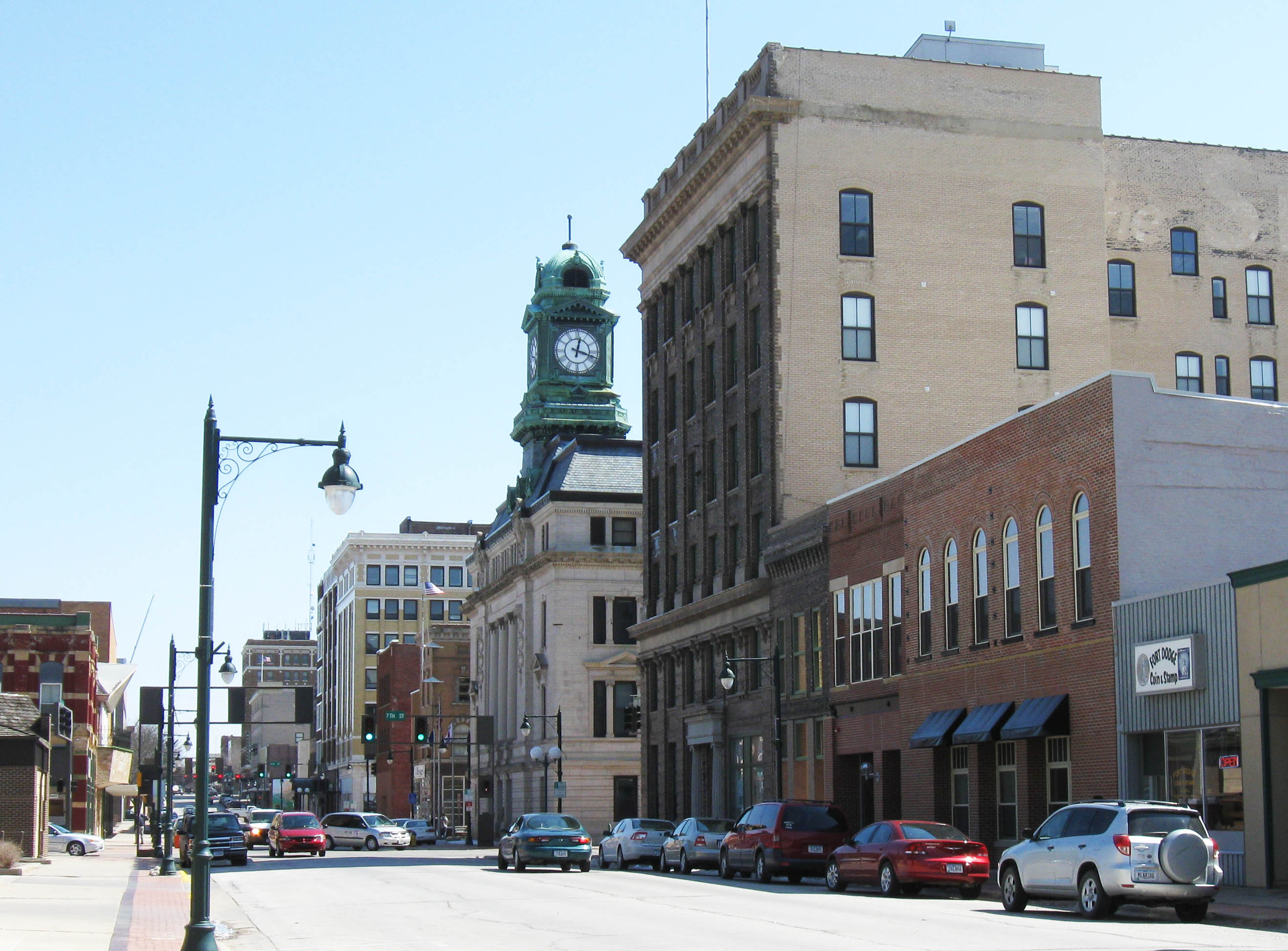
Fort Dodge is a north-central Iowa city that serves as the county seat of Webster County and a regional hub for the surrounding agricultural landscape. With a population of approximately 24,000, it is one of the larger communities between Des Moines and the Minnesota border, and it has built much of its identity on a long history of gypsum mining, rail commerce, and frontier-era settlement along the Des Moines River. Visitors pass through on their way to the Iowa Great Lakes region to the north, and the city itself is recognized for its midwestern small-city feel, with a walkable downtown, established neighborhoods, and a strong sense of local heritage. Fort Dodge sits roughly 90 miles northwest of Des Moines, an easy drive of under two hours along US Highway 20.
The Fort Museum and Frontier Village is the city's signature attraction. Located just minutes from downtown, it preserves the legacy of the original 1850s military fort that gave the city its name and pairs an indoor museum with a reconstructed pioneer village where visitors can tour log cabins, a schoolhouse, a chapel, and other frontier-era buildings. The site draws a steady stream of school groups and families interested in Iowa's settlement period.
Art and culture get a long-running showcase at the Blanden Memorial Art Museum, often cited as Iowa's first public art museum when it opened in the 1930s. Its collection of American art, including works with Iowa connections, makes it a quiet counterpoint to the city's pioneer history and a pleasant stop on a downtown walk.
For outdoor recreation, Dolliver Memorial State Park lies about twenty minutes south of Fort Dodge, where the Des Moines River has cut a striking sandstone canyon that was developed by the Civilian Conservation Corps in the 1930s. Hiking trails, picnic areas, and a small lake draw day visitors from across the region. To the northwest, roughly thirty minutes outside town, Brushy Creek State Recreation Area offers a larger reservoir for fishing, boating, and camping, with miles of trail threading through prairie and oak savanna.
Fort Dodge works well as a base for short-term rentals because it pairs small-city amenities with quick access to very different kinds of Iowa landscapes. Guests can spend a morning exploring frontier history downtown, an afternoon on the river bluffs at Dolliver, and an evening sampling local restaurants, all without the crowds or pricing pressure of Iowa's better-known tourist centers. Its position along the US Highway 20 corridor also makes it a natural overnight stop for travelers moving between Des Moines, the Twin Cities, and the Iowa Great Lakes.
Want to know if a property in Fort Dodge is a good investment?
Enter an address to get instant revenue potential and comps.