
Thomasville, Georgia
Want to see how Thomasville compares to other top cities in Georgia? Explore all city regulations in Georgia. →
Thomasville, GA
Challenging To Investors
STR Regulations for Thomasville, Georgia
Overview: Are Short-Term Rentals Allowed?
Short-term rentals (STRs) are allowed in Thomasville, but their permissibility depends on property type, zoning district, and the specific lodging classification used. At the city level, two pathways are most relevant:
- As a Bed and Breakfast Homestay (BBH) in residential districts (R‑1A, R‑1B, R‑1, R‑2A): Permitted subject to strict caps (not more than 2 bedrooms; not more than 4 transient occupants; no exterior advertising sign). BBH operations must comply with city rules issued by the Chief Building Official under direction of the City Manager and City Council. In other zones, BBH is administered per the city’s boarding/rooming house, tourist home, motel, and hotel regulations elsewhere in the zoning code.
- As a Tourist Home (transient lodging in a dwelling) in certain commercial districts and multifamily residential areas: The municipal code treats tourist homes as a distinct lodging use distinct from BBH. While the provided excerpts do not include the complete “Schedule of Permitted Uses,” the code language indicates tourist homes (and similar lodging types) are handled under lodging-specific regulations in the commercial/multifamily contexts. Investors should confirm district-by-district allowances via the City’s zoning map and official schedule of permitted uses.
What this means for investors:
- In single‑family residential zones (R‑1A, R‑1B, R‑1, R‑2A), STRs are limited to the BBH framework (owner‑present, small‑scale, tightly capped occupancy and signage).
- Larger‑scale transient lodging (tourist home, boarding/rooming house, hotel/motel) is anticipated in commercial zones (C‑1A, C‑1, C‑2) and some multifamily contexts, subject to the zoning district’s use table and the general lodging regulations.
- A stand‑alone traditional STR that is neither a BBH nor a commercial lodging use (e.g., a whole‑home rental with frequent turnover) may be problematic in residential districts unless it can qualify under BBH standards or a permitted lodging classification. This is a compliance risk that must be cleared with the Zoning Administrator prior to acquisition.
Bottom line: STRs are allowed in Thomasville, but the pathway and scale differ sharply by zone. BBH is the residential‑district STR vehicle; tourist‑home/boarding/rooming/hotel/motel models are viable in commercial/multifamily contexts per the schedule of permitted uses.
What do Airbnb hosts actually earn in Thomasville?
Thomasville hosts earn a median $25,915/year with $161 ADR and 54% occupancy.
Top performers pull in $33,275+ per year.
See the full Thomasville market breakdownHow to Start a Short-Term Rental Business in Thomasville
- Confirm zoning permissibility and lodging classification for your property:
- Residential districts (R‑1A/1B/1/2A): Use the BBH classification if you intend to provide lodging in a dwelling unit. Confirm that the property can meet the BBH standards (two bedrooms max; four transient occupants max; no exterior sign; compliance with Chief Building Official rules).
- Commercial/multifamily districts (C‑1A, C‑1, C‑2, R‑2A/2): Evaluate whether “tourist home” or other lodging uses (boarding/rooming house, hotel/motel) are permitted. Review the City’s official zoning map and schedule of permitted uses to confirm eligibility by district.
- Obtain required authorizations:
- Zoning approval/consistency determination (as applicable).
- Certificate of Occupancy (CO) per Zoning Article XI (Section 22‑355A) if changes in use or occupancy classification have occurred.
- Compliance with Building, Fire, and Life‑Safety codes for transient lodging uses.
- Apply for a business license/registration if required by the City or County for lodging operations (Thomas County contact information below).
- If using an Accessory Dwelling Unit (ADU):
- ADUs must be permitted in all zoning districts with specific standards (see regulations below).
- Owner occupancy is required and enforced via deed restriction recorded with the County.
- ADU rentals must be for a minimum of 30 consecutive days per tenant/lessee (Section 22‑43). This minimum term conflicts with typical STR nightly/weekly rentals; use of an ADU for STRs would not meet the 30‑day minimum requirement unless the tenancy model is adjusted.
- Establish operational procedures consistent with city rules:
- For BBH: Follow any rules promulgated by the Chief Building Official, including occupancy limits, signage restrictions, and neighborhood compatibility standards.
- For commercial lodging: Follow lodging‑specific rules, safety standards, and district standards for commercial districts.
Required Documents, Permits, Licenses, and Guidelines
- Zoning compliance:
- Confirmation that the lodging classification (BBH, tourist home, boarding/rooming house, hotel/motel) is permitted in the subject district.
- Site plan and floor plan showing sleeping rooms and occupant load (as applicable).
- Certificate of Occupancy:
- Zoning Article XI (Section 22‑355A) requires a CO. The CO is issued, and denial procedures are detailed in Sections 22‑357 and 22‑358.
- Building and life safety:
- Meet building codes applicable to transient lodging; secure any necessary permits.
- For satellite dishes or other equipment, obtain approvals and permits as required under Zoning Section 22‑39 and any building permit requirements.
- Deed restriction (ADU only):
- For ADUs, record a deed restriction evidencing ongoing owner occupancy and submit proof to the Zoning Administrator within 30 days of approval (Section 22‑43).
- Business license/registration:
- Obtain any required business license/occupational tax certificate from the City of Thomasville and/or Thomas County. This is commonly required for lodging businesses.
Specific Regulations (City, County, State)
City of Thomasville – Zoning & Lodging‑Specific
-
Bed and Breakfast Homestay (BBH) (Section 22‑40):
- Permitted in all zones except M‑1.
- In A, R‑1A, R‑1B, R‑1, and R‑2A zones: Limited to two (2) bedrooms within a single dwelling; total occupancy limited to four (4) transient persons; no exterior advertising sign.
- Rules are promulgated and administered by the Chief Building Official under direction of the City Manager and City Council.
- In zones other than those restricted above, BBH is administered per the city’s boarding/rooming house, tourist home, motel, and hotel regulations.
-
Tourist Home:
- The code defines “tourist home” as a dwelling where sleeping accommodations are provided or offered to transient visitors for compensation. The provided excerpts do not show a district‑by‑district use table; lodging regulations exist within the code and are applied administratively by zone. Confirm permitted districts via the official zoning map and schedule of permitted uses.
-
Boarding or Rooming House (Definitions):
- Defined as a residential structure where lodging is provided for compensation, with shared cooking, bathroom, or other communal facilities. Check district allowances under the schedule of permitted uses; the code indicates such uses are regulated in commercial/multifamily contexts.
-
Accessory Dwelling Units (ADUs) (Section 22‑43):
- ADUs are permitted in all zoning districts.
- One ADU per lot with another dwelling; only within the rear yard.
- Lot size must meet the minimum for a two‑family dwelling in the relevant zoning districts (R‑2A, R‑2, C‑1A, C‑1, C‑2, M).
- Maximum footprint: 720 square feet.
- Must meet underlying zoning standards; rear setback may be reduced to no less than 10 feet from the rear property line.
- Owner occupancy is required and enforced via recorded deed restriction (filed with the County within 30 days of approval; proof submitted to Zoning Administrator within 30 days).
- ADU rentals must be for a minimum of 30 consecutive days per tenant/lessee. This minimum tenancy requirement means typical STR nightly or weekly rentals are not compatible with ADU status unless the tenancy model is changed.
-
Certificate of Occupancy (Article XI, Sections 22‑355A to 22‑358):
- CO is required for changes in use/occupancy; issuance and denial procedures are defined.
-
Advertising/Signage:
- BBH is prohibited from having exterior advertising signs in residential districts. Commercial lodging signage must comply with district signage standards (refer to municipal signage regulations outside the provided excerpts).
-
Property Development and Safety:
- Off‑street parking, loading, and district standards apply (Articles IX and VII).
- Building setbacks, buffering, screening, and architectural review requirements may apply depending on district and context (e.g., screening of service areas, buffers in commercial districts abutting residential areas).
-
Penalties (Section 22‑5):
- Violations of zoning provisions: $100 per offense; each day of violation is a separate offense.
- Injunctive and other legal remedies are available.
Thomas County, Georgia
- Business License/Occupational Tax:
- Short‑term rental operators should confirm whether a county business license/occupational tax certificate is required in addition to any city authorizations.
State of Georgia
- The provided excerpts do not include specific state statutes (e.g., O.C.G.A. §§ 51‑2‑2, 44‑7‑1 et seq.) regarding landlord‑tenant matters, transient lodging taxation, or life safety. Investors should review:
- Georgia’s Deceptive Trade Practices Act and Georgia公寓/Rental statutes (e.g., OCGA 51‑2‑2, 44‑7‑1 et seq.) as applicable.
- Georgia hotel/motel tax, sales and use tax, and local hotel/motel tax rules if operating commercial lodging.
Contact Information (Phone, Email, Website)
-
City of Thomasville – Planning & Zoning (Zoning Administrator)
- Address: City Hall, 555 E. Jefferson St., Thomasville, GA 31792
- Website: www.thomasville.org (departments/planning‑zoning)
- Phone: (229) 227‑5522
- Email: Contact via the City website “Contact” page
-
City of Thomasville – Building Department/Building Inspections (Chief Building Official)
- Address: City Hall, 555 E. Jefferson St., Thomasville, GA 31792
- Phone: (229) 227‑5522
- Email: Contact via the City website
-
Thomas County – Planning & Zoning / Board of Commissioners (County level licensing/business registration)
- Phone: (229) 228‑6000
- Website: www.thomascountybocc.com/
-
Thomas County Tax Commissioner (hotel/motel tax, business license/occupational tax information)
- Phone: (229) 225‑4150
- Website: www.thomascountytax.com/
Source Pages (Links)
- City of Thomasville Municipal Code, Chapter 22 Zoning (PDF; last amended 6‑21‑17):
Practical Notes for Investors
- Residential zones: If you target single‑family neighborhoods (R‑1A/1B/1/2A), the BBH model is the principal legal pathway for transient lodging. It is owner‑present, limited in scale, and tightly regulated.
- Commercial/multifamily zones: Larger lodging operations (tourist homes, boarding/rooming houses, hotels/motels) are treated under commercial lodging regulations. Confirm your district’s allowance via the official schedule of permitted uses and zoning map.
- ADU model conflict: The 30‑consecutive‑day minimum tenancy for ADUs is incompatible with typical STR nightly or weekly rentals unless the tenancy structure is modified.
- Compliance: Secure zoning determination, CO, and any required business licenses before leasing. Maintain documentation evidencing BBH compliance (bedroom count, occupancy caps, owner occupancy, deed restrictions where applicable).
This guide focuses exclusively on Thomasville and Thomas County. If you need a state‑level statutory analysis for Georgia (taxation, landlord‑tenant, transient lodging rules), that is outside the provided municipal materials; consult the Georgia General Assembly statutes and local tax authorities.
Next step
Found a property in Thomasville?
Paste any address and get estimated revenue, cash-on-cash return, and comparable STR performance in under 5 minutes. 3 free analyses per day.
Free brief
Get the free Thomasville STR Investment Brief
Revenue data, top neighborhoods, seasonal trends, and the key regulations for Thomasville, Georgia in one email.
Thomasville
Market Saturation Score
Photos of Thomasville

Overview of Thomasville
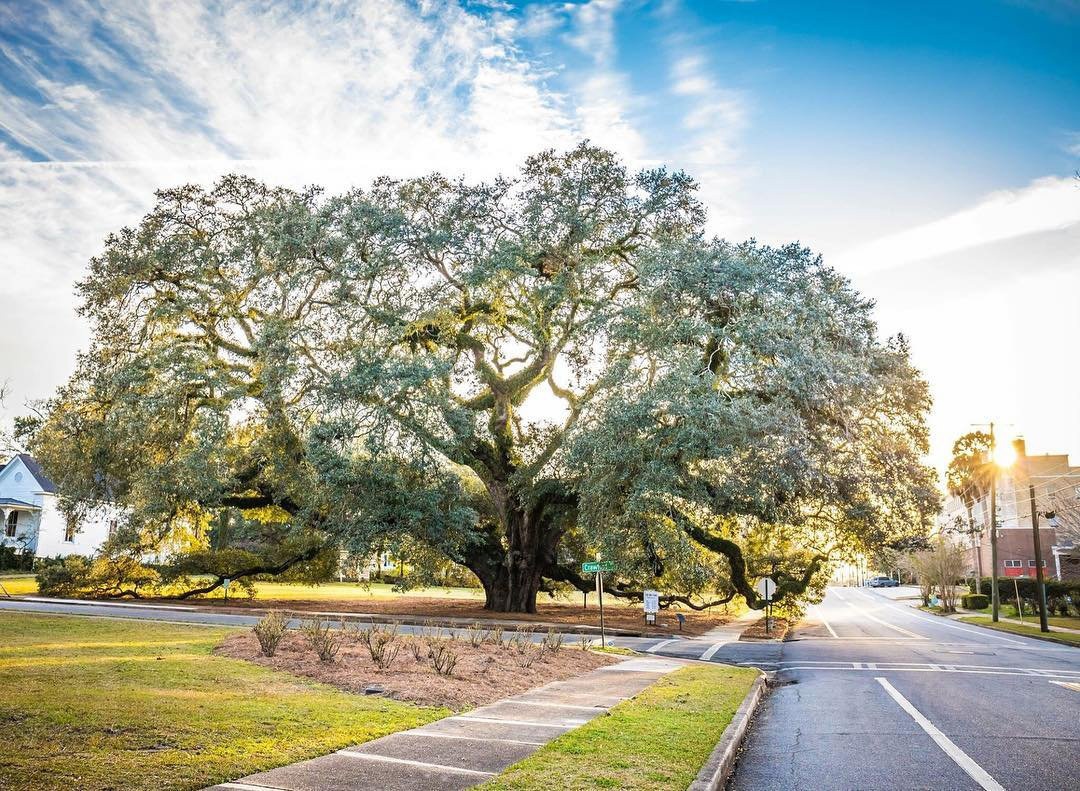
Thomasville is a small historic city in southwest Georgia, serving as the county seat of Thomas County. With a population of roughly 18,000 to 19,000 residents, it has the genteel feel of a former winter resort town, lined with towering oaks draped in Spanish moss and grand Victorian-era homes that recall its late 19th-century heyday as a getaway for wealthy Northerners escaping cold winters. The city is widely known as the "City of Roses" for its long tradition of rose cultivation and its annual rose-themed events, and it has reinvented itself in recent decades as an antiques and culinary destination. Thomasville sits about 35 miles north of Tallahassee, Florida, the nearest sizable city, placing it within easy reach of both the Gulf Coast beaches and the Florida capital.
Downtown Thomasville is one of the city's most distinctive draws, with a National Register-listed historic district of brick storefronts, locally owned boutiques, antique shops, and restaurants set beneath a canopy of magnolias. The walkable core is compact and rewards slow exploring, with shaded plazas, public art, and the kind of restored Victorian commercial architecture that draws day-trippers from across the region. Visitors can browse antiques, sample Southern cuisine, and take in the small-town pace that defines the area, all within a few blocks of one another. The downtown sits just a short drive from virtually any property in or around the city.
Just outside the city center lies Pebble Hill Plantation, a sprawling former quail-hunting estate with a stately main house, broad lawns, and an extensive collection of sporting art and carriages. The plantation is open for tours and is one of the most visited historic sites in southwest Georgia, located only a few miles from downtown. Nearby, the Lapham-Patterson House is a remarkably preserved 1885 Victorian cottage with an unusual stepped-gable design, and is one of the few surviving examples of this architectural style in the South. Both properties offer a window into the plantation-era history that shaped the region.
Outdoor visitors will find Birdsong Nature Center a short drive south of the city, a quiet preserve of old-growth longleaf pine, beech-magnolia forest, and native wildlife managed as a living museum of the region's ecosystems. The preserve features hiking trails, a lake, and a homestead that recreates 19th-century rural life. For travelers willing to drive a bit farther, the sandy stretches of the Florida Gulf Coast, including St. George Island and the beaches around Apalachicola, are roughly 90 minutes to two hours south, while the urban offerings of Tallahassee lie less than an hour to the south.
Thomasville is a compelling base for short-term rentals because it blends small-city walkability with genuine historic character and a strong independent-shopping and dining scene, all set in a region rich in plantation history, natural areas, and Gulf Coast beach getaways. Its location near Tallahassee, its mild winters, and its well-preserved architecture give it year-round appeal, attracting visitors interested in antiques, history, gardens, and the quieter side of the Deep South. For owners, the combination of a steady stream of weekend leisure travelers, seasonal rose- and hunting-related events, and proximity to Florida destinations makes the city a natural fit for the vacation-rental market.
Want to know if a property in Thomasville is a good investment?
Enter an address to get instant revenue potential and comps.