
Rossville, Georgia
Want to see how Rossville compares to other top cities in Georgia? Explore all city regulations in Georgia. →
Rossville, GA
Very Investor Friendly
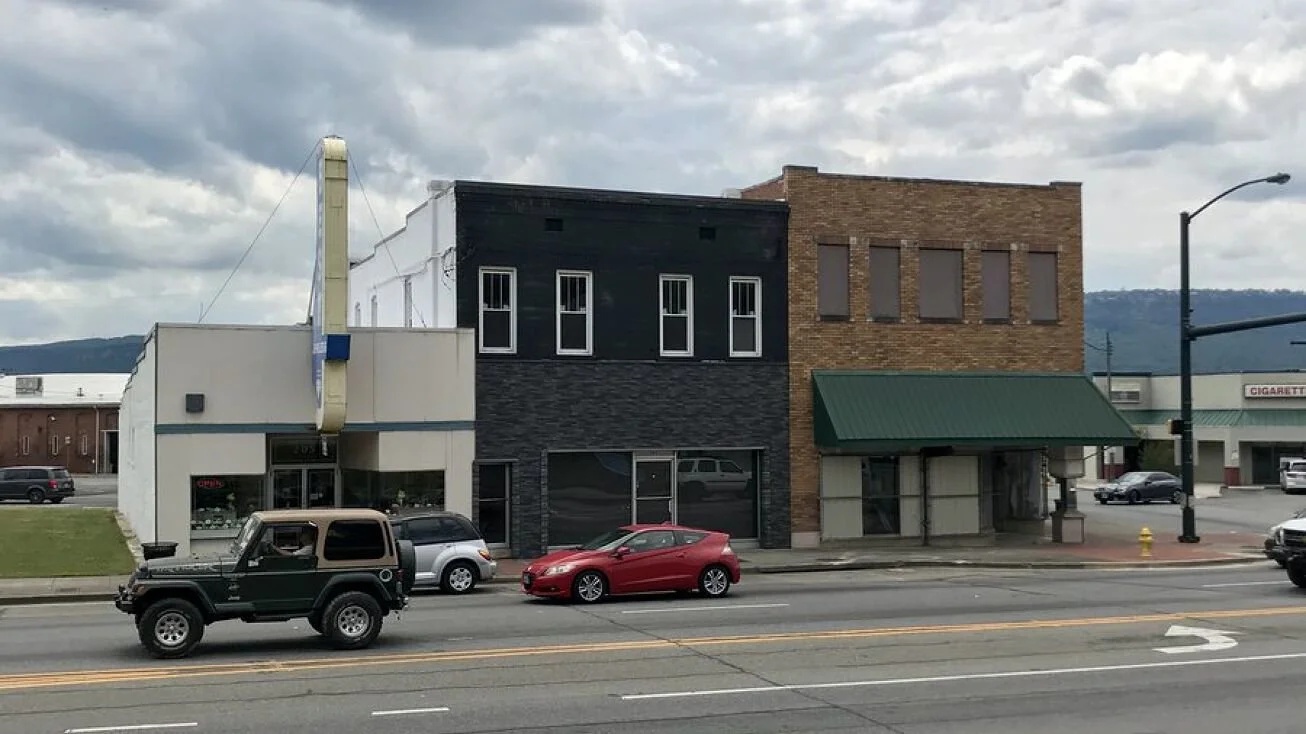
STR Regulations for Rossville, Georgia
Overview: Are short‑term rentals allowed in Rossville, Georgia?
Explicit answer: Yes—short‑term rentals are allowed in Georgia, including Rossville. However, Georgia does not have a statewide definition or permitting scheme for short‑term rentals. Regulation is local, and there are no city‑specific short‑term rental ordinances, permits, or licensing requirements identified for Rossville, Georgia (or Walker County) in the sources provided. In practice, hosts in Rossville operate under Georgia’s general tax rules and should confirm any local zoning, HOA, or county-level requirements directly with the city or county.
How to start a short‑term rental business in Rossville, Georgia
- Business formation and registration
- Form your business entity (LLC, corporation, or sole proprietorship) and obtain any federal tax IDs as needed.
- Register with the Georgia Department of Revenue to receive a Georgia Tax Identification Number (GA‑TIN). This online registration typically completes within minutes and is the gateway for sales and hotel‑motel tax filings.
- Platform setup and tax collection
- List on hosting platforms (Airbnb, Vrbo). Many platforms in Georgia collect and remit state sales tax and local hotel‑motel taxes on behalf of hosts. Confirm your platform’s current tax collection settings for Georgia to avoid double collection.
- Property compliance and zoning
- Verify that the property is zoned for short‑term rental use (residential vs commercial). If the property is in a homeowners association (HOA), confirm STRs are permitted and that you can meet occupancy, parking, quiet‑hours, and signage rules.
- Install and maintain required safety equipment (smoke detectors, carbon monoxide detectors where applicable, and a portable ABC fire extinguisher). Georgia’s International Fire Code (2015 edition) is adopted statewide for fire safety and is enforced locally.
- Guest management and operations
- Establish guest screening, check‑in procedures, house rules, and a 24/7 local contact or property manager. Local ordinances in other Georgia cities often require host responsiveness within a defined time window; while Rossville has no such rule identified, adopting such standards improves guest experience and compliance in case future local rules emerge.
- Tax registration cadence
- After obtaining your GA‑TIN, set filing frequencies (monthly, quarterly, or annual) according to the Georgia Department of Revenue’s guidance for your business type and expected tax liability. Maintain meticulous records to support filings and potential audits.
- Insurance
- Carry appropriate landlord/property insurance for short‑term rentals. Coverage should include fire, water, storm/hail, and legal liability. Work with a licensed agent or insurer experienced in STRs.
Required documents, permits, licenses, and guidelines
- No city‑specific STR permit or license is identified for Rossville. Hosts must rely on state tax rules, local zoning confirmations, and fire‑code safety standards.
- Recommended documents and records:
- Georgia Tax Identification Number (GA‑TIN) registration confirmation.
- Sales tax and hotel‑motel tax filings (platform‑collected remittances, plus any direct filings if required).
- Property insurance declarations.
- Fire‑code safety checklist (extinguisher, smoke/CO devices) and maintenance records.
- Guest registry and booking records for occupancy and tax reporting.
- Fire and safety: Georgia adopts the International Fire Code (2015 edition) for fire prevention and life safety. Ensure detectors are functional and that a 10‑lb ABC fire extinguisher or equivalent is present and inspected.
Specific regulations (city, county, state)
- State (Georgia):
- Short‑term rental hosts must collect and remit a 4% state sales tax. Airbnb and similar platforms often collect and remit this tax for hosts in Georgia.
- A $5 hotel‑motel fee per occupied night applies to short‑term rentals, with stays over 30 consecutive nights generally exempt. Platforms may also collect this fee.
- No statewide definition or permitting for STRs—compliance is local.
- County (Walker County):
- No county‑specific STR ordinance or permitting requirements were identified in the provided sources. If Walker County has an accommodation tax or lodging rules, they were not included here; hosts should confirm directly with the county.
- City (Rossville, Georgia):
- No short‑term rental permit or licensing ordinance found in the provided sources. As such, there are no identified city occupancy limits, notification requirements, or renewal rules specific to STRs.
- Enforcement and penalties (general guidance):
- In Georgia, enforcement is local. Non‑compliance with sales tax, hotel‑motel tax, zoning, or fire‑code requirements can result in fines, tax assessments, and potential cease‑and‑desist orders. Maintain compliance with both tax obligations and safety standards.
Contact information
Georgia Department of Revenue (tax registration and filings):
- Website: dor.georgia.gov/
- Phone: Contact the Georgia DOR general line via the website’s “Contact” portal.
Rossville, Georgia (local zoning and business verification):
- The sources do not provide a dedicated STR contact for Rossville. For zoning and business activity confirmations, contact Walker County government or the City of Rossville via official county/city channels. If a city website is available, search “business license,” “zoning,” or “planning and development.”
Source pages used
- Steadily Insurance: Airbnb & Short‑Term Rental Laws and Regulations in Georgia — www.steadily.com/blog/airbnb-short-term-rental-laws-and-regulations-in-georgia
Note: The second PDF is the Rossville, Tennessee Municipal Code and is not applicable to Rossville, Georgia.
Important: Because no city‑specific STR regulations were identified for Rossville, Georgia, this guide defaults to Georgia’s state‑level rules. Verify local zoning, any HOA restrictions, and possible county requirements directly with Walker County or the City of Rossville before operating.
What do Airbnb hosts actually earn in Rossville?
Rossville hosts earn a median $38,422/year with $188 ADR and 65% occupancy.
Top performers pull in $59,749+ per year.
See the full Rossville market breakdownNext step
Found a property in Rossville?
Paste any address and get estimated revenue, cash-on-cash return, and comparable STR performance in under 5 minutes. 3 free analyses per day.
Free brief
Get the free Rossville STR Investment Brief
Revenue data, top neighborhoods, seasonal trends, and the key regulations for Rossville, Georgia in one email.
Rossville
Market Saturation Score
Photos of Rossville

Overview of Rossville
Rossville is a small city in Walker County, in the far northwest corner of Georgia, sitting just south of the Tennessee state line. With a population of roughly 4,000 residents, it carries a quiet, working-class, small-town character that is closely tied to the larger Chattanooga metropolitan area on the other side of the border. The city is best known as an affordable, low-key gateway to the historic battlefields, mountain attractions, and urban amenities of the surrounding region, and it lies only about 10 minutes south of downtown Chattanooga by car.
One of the most important destinations in the area is the Chickamauga and Chattanooga National Military Park, located just a few miles south of Rossville in nearby Fort Oglethorpe, Georgia. This is one of the largest and most significant Civil War battlefields preserved in the United States, commemorating the 1863 Battle of Chickamauga, which proved to be one of the deadliest engagements of the war. The park offers a visitor center, a large network of paved and unpaved driving and hiking routes across the rolling landscape, and a notable collection of monuments and interpretive markers that draw Civil War enthusiasts, school groups, and casual history visitors throughout the year.
Just across the state line to the north, Lookout Mountain anchors a cluster of long-established attractions that draw visitors from across the Southeast. The mountain is home to Rock City Gardens, with its clifftop overlooks and distinctive rock formations; Ruby Falls, a tall underground waterfall reachable by guided tour deep inside the mountain; and the Lookout Mountain Incline Railway, one of the steepest passenger railways in the world. From Rossville, most of these sites are within about a 10 to 20 minute drive, making a same-day visit straightforward for travelers based in the area.
A short drive north into Tennessee brings visitors to Chattanooga itself, a mid-sized city that has built a strong reputation for its revitalized riverfront, the Tennessee Aquarium, the Bluff View Art District, and a growing food and craft beer scene. The Hunter Museum of American Art sits on a bluff overlooking the Tennessee River, while the historic Chattanooga Choo Choo complex, converted from the city's old Terminal Station, offers lodging, dining, and entertainment. Reaching downtown Chattanooga from Rossville typically takes around 10 to 15 minutes.
Rossville offers a compelling case for short-term rental owners seeking an affordable base near a robust tourism market. Guests can enjoy a quieter, residential setting while staying within easy reach of nationally significant Civil War history, classic mountain attractions, and a dynamic small city. Its combination of value, accessibility, and proximity to some of the most visited destinations in the tri-state region makes it a practical and attractive home base for travelers exploring the greater Chattanooga area.
Want to know if a property in Rossville is a good investment?
Enter an address to get instant revenue potential and comps.