
Rising Fawn, Georgia
Want to see how Rising Fawn compares to other top cities in Georgia? Explore all city regulations in Georgia. →
Rising Fawn, GA
Generally Investor Friendly
STR Regulations for Rising Fawn, Georgia
Overview: Are Short-Term Rentals Allowed in Rising Fawn, GA?
Yes, short-term rentals are explicitly allowed in Rising Fawn, Georgia. Rising Fawn, located in Dade County, permits short-term rental operations, but investors must navigate a regulatory framework that combines state-level requirements with county-level oversight. Unlike some Georgia municipalities that have enacted comprehensive short-term rental ordinances, Rising Fawn operates under a more decentralized approach where regulations are primarily enforced at the state and county levels.
The market demonstrates strong viability with 399 active listings generating a median revenue of $32,688, indicating robust demand for short-term accommodations in this scenic Appalachian foothills community. However, operators must ensure compliance with applicable business licensing, taxation, and zoning requirements to maintain legal operations.
What do Airbnb hosts actually earn in Rising Fawn?
Rising Fawn hosts earn a median $33,732/year with $204 ADR and 55% occupancy.
Top performers pull in $54,503+ per year.
See the full Rising Fawn market breakdownHow to Start a Short-Term Rental Business in Rising Fawn, GA
Step 1: Market Research and Property Selection
Begin by analyzing Rising Fawn's unique market characteristics. The area experiences significant seasonality, with peak demand during spring and fall seasons when outdoor enthusiasts flock to attractions like Cloudland Canyon State Park and Lookout Mountain. Properties near these natural amenities command premium rates and higher occupancy rates.
Step 2: Secure Business Registration
Since Rising Fawn falls under Dade County jurisdiction, you must register for a business license regardless of rental frequency. This requirement applies even for occasional or seasonal rentals, making it a fundamental compliance step for all operators.
Step 3: Tax Registration and Setup
Register with the Georgia Department of Revenue to obtain a Tax Identification Number. This online process typically takes approximately 15 minutes and establishes your foundation for tax compliance obligations.
Step 4: Property Preparation and Zoning Compliance
Verify your property's zoning classification before proceeding. While no specific short-term rental zoning restrictions were identified for Rising Fawn, local zoning laws may restrict hosting capabilities in certain residential areas. Properties in the Lookout Mountain area, Cloudland Canyon vicinity, and Johnson Lake area tend to perform exceptionally well due to proximity to major attractions.
Step 5: Platform Setup and Marketing
List your property on major platforms (Airbnb, VRBO, Booking.com) while ensuring accurate tax collection and remittance systems are in place. Consider professional photography and competitive pricing strategies that reflect the seasonal nature of the market.
Required Documents, Permits, Licenses, and Guidelines
Business Licensing Requirements
- Dade County Business License: Mandatory registration with Dade County government for all hosts, regardless of rental frequency
- Georgia Tax Identification Number: Required for tax remittance purposes, obtainable through the Georgia Department of Revenue online portal
Tax Registration and Collection Obligations
- State Sales Tax (4%): Mandatory on all short-term rental transactions
- Hotel/Motel Tax (5%): Local Dade County tax on all bookings
- $5 Nightly Hotel/Motel Fee: Per occupied night (exempt for stays exceeding 30 consecutive nights)
- Platform Tax Handling: Airbnb and similar platforms may collect and remit these taxes on behalf of hosts, but verification is recommended
Safety and Operational Guidelines
- State Safety Regulations: Compliance with Georgia's safety requirements for short-term rentals
- Occupancy Limits: Adherence to standard occupancy restrictions (typically two per bedroom plus one additional occupant)
- Noise and Community Relations: Implementation of quiet hours and community-friendly policies to maintain positive neighborhood relations
Documentation Requirements
- Guest Registration: Maintain records of guest stays as required by state law
- Financial Records: Detailed documentation of rental income and expenses for tax purposes
- Property Insurance: Comprehensive liability and property coverage recommended for short-term rental operations
Specific Regulations: Rising Fawn, Dade County, and Georgia State
City-Level Regulations (Rising Fawn)
Rising Fawn does not maintain specific short-term rental ordinances separate from county and state requirements. Operations are governed by broader Dade County and Georgia state regulations, with zoning considerations handled through standard residential and commercial zoning classifications.
County-Level Regulations (Dade County)
- Business License Requirement: Universal requirement for all short-term rental operations
- Local Hotel/Motel Tax: 5% rate applied to all short-term rental transactions
- Zoning Oversight: Traditional zoning enforcement with potential restrictions in certain residential areas
- Community Standards: Enforcement of standard community conduct and noise regulations
State-Level Regulations (Georgia)
Georgia's regulatory framework for short-term rentals is decentralized, with primary oversight occurring at local levels. Key state considerations include:
Tax Obligations:
- 4% state sales tax on all short-term rental transactions
- $5 nightly hotel/motel fee (waived for stays over 30 nights)
- Monthly, quarterly, or annual filing schedules based on tax volume
Operational Requirements:
- No statewide definition of short-term rentals, allowing local jurisdictions to establish parameters
- Compliance with general business operation requirements
- Adherence to health and safety standards applicable to accommodation providers
Regulatory Flexibility:
- Local governments retain authority to establish specific short-term rental ordinances
- Zoning restrictions may vary by jurisdiction
- Permit requirements determined at municipal level (where applicable)
Enforcement and Compliance Monitoring
Compliance oversight occurs through:
- Routine inspections by local authorities
- Tax audit processes through the Georgia Department of Revenue
- Community reporting mechanisms for ordinance violations
- Platform-level compliance verification for tax collection
Local Authority Contact Information
Dade County Government
Primary Contact for Business Licensing:
- Phone: (706) 657-4625
- Email: Contact through county website
- Website: dadecounty-ga.gov
- Physical Address: Dade County Courthouse, 114 East Walnut Avenue, Suite 100, Trenton, GA 30752
- Office Hours: Monday-Friday, 8:00 AM - 5:00 PM
Georgia Department of Revenue
Tax Registration and Compliance:
- Phone: (877) 423-6711
- Website: dor.georgia.gov
- Online Portal: Available for tax registration and filing
- Short-Term Rental Section: Specific guidance available on website
Dade County Planning and Zoning
Zoning Compliance Inquiries:
- Phone: (706) 657-4625
- Contact Method: Through county government main line
- Zoning Maps: Available through county planning department
Local Resources and Support
Rising Fawn Community Information:
- Chamber of Commerce: Contact through Dade County development authority
- Property Management Services: Multiple local and regional companies offer full-service management
- Real Estate Professionals: Local agents familiar with short-term rental market requirements
Source Links
Primary Regulatory Sources:
- GoSummer - Rising Fawn Vacation Rental Management
- RedAwning - Rising Fawn Market Overview
- STR Profit Map - Georgia Regulations
- Checkmate Rentals - Rising Fawn Airbnb Laws
- Steadily - Georgia STR Laws and Regulations
Additional Resources:
Investment Considerations and Market Outlook
Rising Fawn represents a compelling opportunity for short-term rental investors seeking exposure to Georgia's outdoor recreation market. The area's proximity to Chattanooga, Tennessee, and major attractions like Cloudland Canyon State Park provides consistent demand from outdoor enthusiasts and nature seekers. With median revenues of $32,688 across 399 active listings, the market demonstrates both scale and profitability potential.
However, success in Rising Fawn requires careful attention to the area's unique characteristics: seasonal demand patterns, rural logistics challenges, and the importance of community relations in a small mountain community. Properties offering modern amenities while preserving rustic charm, proximity to outdoor activities, and strong guest communication tend to outperform market averages.
The regulatory environment, while not overly restrictive, requires diligent compliance with business licensing, tax obligations, and community standards. Investors should budget for professional property management services given the rural location and seasonal demand fluctuations, ensuring consistent guest experiences and operational efficiency throughout varying occupancy periods.
Next step
Found a property in Rising Fawn?
Paste any address and get estimated revenue, cash-on-cash return, and comparable STR performance in under 5 minutes. 3 free analyses per day.
Free brief
Get the free Rising Fawn STR Investment Brief
Revenue data, top neighborhoods, seasonal trends, and the key regulations for Rising Fawn, Georgia in one email.
Rising Fawn
Market Saturation Score
Photos of Rising Fawn

Overview of Rising Fawn
Rising Fawn is a small unincorporated community tucked into the far northwest corner of Georgia in Dade County, sitting in the rolling terrain at the base of Lookout Mountain near where Georgia, Tennessee, and Alabama converge. With the broader Dade County population hovering around sixteen thousand, Rising Fawn itself is a quiet rural community whose character is shaped by its mountain setting, dense forest, and proximity to some of the Southeast's most visited outdoor destinations. It serves as a natural gateway to Lookout Mountain and the nearby outdoor attractions that draw visitors from across the region. The nearest major city is Chattanooga, Tennessee, which lies roughly thirty miles to the north and is typically reached in about forty minutes by car.
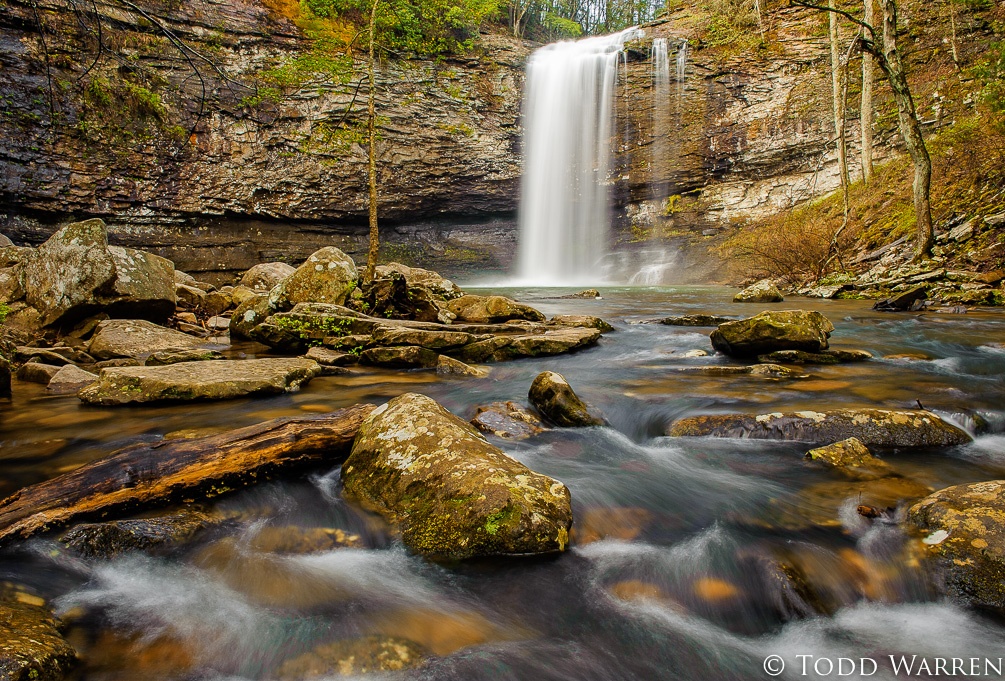
Just a short drive west of Rising Fawn, Cloudland Canyon State Park is one of Georgia's most scenic outdoor destinations, perched on the western edge of Lookout Mountain. The park is known for its deep canyon, two waterfalls — Cherokee Falls and Hemlock Falls — and a network of hiking trails that range from easy rim walks to the more demanding Waterfalls Trail, which descends roughly six hundred steps to the canyon floor. From Rising Fawn, the park entrance is only about ten to fifteen minutes away, making it an easy day trip for visitors interested in hiking, photography, or camping.
Just to the north, across the Georgia-Tennessee line, Lookout Mountain itself is home to a cluster of well-known attractions that draw families and sightseers year-round. The summit features Rock City Gardens on the Tennessee side, famous for its cliff-top views spanning seven states, as well as Ruby Falls, one of the tallest and deepest underground waterfalls open to the public in the United States. The historic Lookout Mountain Incline Railway, the world's steepest passenger railway, also operates on the Tennessee side. Rising Fawn sits about twenty to twenty-five minutes from these attractions, making it a convenient base for travelers who want a quieter, more affordable stay while still being within easy reach of the mountain's most popular draws.
To the north, the city of Chattanooga offers a vibrant urban counterpoint to the area's outdoor offerings. The city is home to the Tennessee Aquarium on the riverfront, the Bluff View Art District, and a revitalized downtown with restaurants, breweries, and the Walnut Street Bridge pedestrian crossing. Roughly forty minutes from Rising Fawn, Chattanooga adds a full day of urban sightseeing to any itinerary.
Rising Fawn's appeal as a short-term rental destination comes from the way it blends seclusion with accessibility. Guests can stay in a quiet mountain setting surrounded by forest, yet reach Cloudland Canyon, Lookout Mountain's marquee attractions, and downtown Chattanooga all within a short drive. For owners and travelers alike, it offers the best of both worlds: a peaceful rural base at the doorstep of some of the South's most celebrated natural and cultural landmarks.
Want to know if a property in Rising Fawn is a good investment?
Enter an address to get instant revenue potential and comps.