
Marco Island, Florida
Want to see how Marco Island compares to other top cities in Florida? Explore all city regulations in Florida. →
Marco Island, FL
Very Investor Friendly
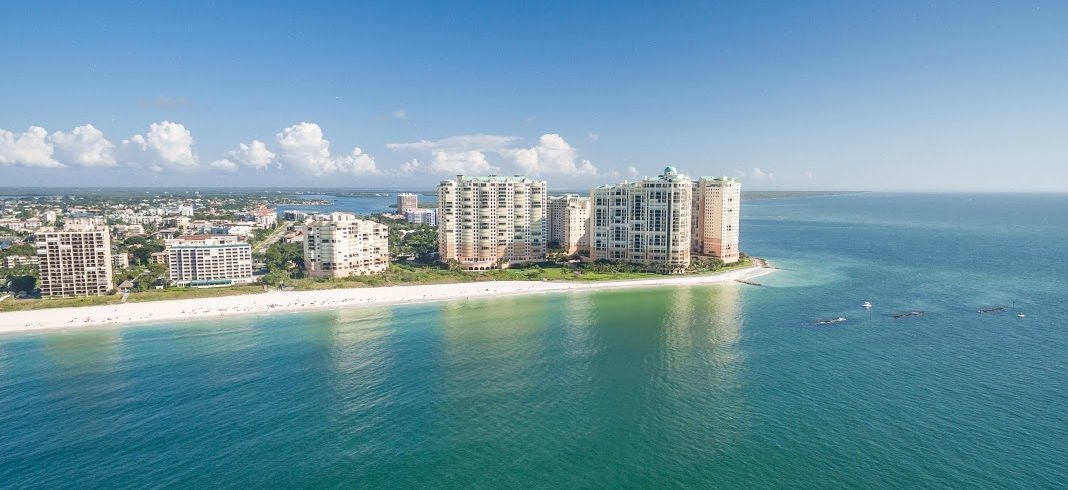
STR Regulations for Marco Island, Florida
Overview: Are Short-Term Rentals Allowed in Marco Island, FL?
Yes, short-term rentals are explicitly allowed in Marco Island, Florida. However, the regulatory landscape is unique: Marco Island does not have city-specific short-term rental regulations because the city's STR ordinance was nullified by state law in 2023. Properties within Marco Island are exempt from Collier County's registration requirements, meaning investors operate under statewide Florida regulations only.
What do Airbnb hosts actually earn in Marco Island?
Marco Island hosts earn a median $47,076/year with $371 ADR and 60% occupancy.
Top performers pull in $74,786+ per year.
See the full Marco Island market breakdownHow to Start a Short-Term Rental Business in Marco Island
Step 1: Obtain State-Level Licensing
All short-term rental properties in Florida must be licensed through the Florida Department of Business and Professional Regulation (DBPR). This is a prerequisite for operating any STR in Marco Island.
Step 2: Register for Tax Obligations
- Obtain a Florida Sales Tax Certificate from the Department of Revenue
- Register for state sales tax collection (6% on rentals under 6 months)
- Research any applicable local tourist development taxes
Step 3: Property Compliance
- Ensure your property meets Florida Building Code requirements
- Comply with Florida Fire Prevention Code
- Follow Collier County Property Maintenance Code standards
Step 4: Marketing and Operations
- List your property on platforms like Airbnb, VRBO, or HomeAway
- Maintain proper insurance coverage
- Establish guest screening and house rules
Required Documents, Permits, Licenses, and Guidelines
State-Level Requirements (Primary for Marco Island)
-
DBPR Vacation Rental License
- Required for all non-hosted STRs
- Collective/group licenses available for multiple properties
- Excludes hosted rentals where owner remains on-site
-
Florida Sales Tax Certificate
- Obtained through Florida Department of Revenue
- Required for collecting and remitting state sales tax
-
Local Tourist Development Tax Registration (if applicable)
- Check with Collier County for current requirements
Property Standards Compliance
- Florida Building Code compliance
- Florida Fire Prevention Code adherence
- Collier County Property Maintenance Code (Ordinance 2010-02, as amended)
- Local zoning compliance verification
Advertising Requirements
- Include any required registration numbers in advertising (if applicable)
- Accurate representation of property amenities and occupancy limits
Specific Regulations for Marco Island, Collier County, and State
Marco Island (City Level)
No city-specific STR regulations currently apply due to the nullification of Ordinance 2021-45 by Senate Bill 250 (2023). The city ordinance, which would have required registration and imposed noise/parking restrictions, cannot be implemented under current state law.
Collier County Level
Properties within Marco Island are explicitly exempt from Collier County's Ordinance 2021-45, which requires:
- County registration for STRs in unincorporated areas
- Local contact requirements
- Advertising display of registration numbers
State Level (Primary Governing Authority)
-
DBPR Licensing Requirements
- All non-hosted STRs must be licensed
- Hosted rentals (where owner remains on-site) are exempt from DBPR licensing
- Annual renewal required
-
Tax Obligations
- 6% state sales tax on rentals under 6 months
- Local tourist development taxes (rates vary by county)
- Monthly or quarterly filing requirements
-
Preemption Framework
- Florida state law preempts local bans on STRs
- Local governments cannot regulate rental duration or frequency
- Local governments may regulate negative externalities (noise, parking, etc.)
Contact Information for Local Authorities
Florida Department of Business and Professional Regulation (DBPR)
Website: www.myfloridalicense.com/intentions2.asp?chBoard=true&SID=&boardid=200&professionid=2007
Phone: Contact through DBPR website or call center
Purpose: Vacation rental licensing and compliance
Florida Department of Revenue
Website: floridarevenue.com/
Purpose: Sales tax registration and filing requirements
Collier County (For County-Level Inquiries)
Address: 3299 Tamiami Trail East, Naples, FL 34112
Phone: 239-252-8999
Hours: Monday-Friday, 8:00 a.m.-5:00 p.m.
Note: Marco Island properties are exempt from Collier County STR registration
City of Marco Island
Note: No current STR-specific contact as city regulations were nullified
Collier County 311 (General Information)
Phone: 239-252-4311
Purpose: General county services and information
Links to Source Pages
Primary Regulatory Sources
- Collier County STR Registration: www.collier.gov/Resident-Resources/Leisure-and-Community/Short-Term-Vacation-Rental-Registration
- Florida DBPR Licensing: www.myfloridalicense.com/intentions2.asp?chBoard=true&SID=&boardid=200&professionid=2007
- Florida Department of Revenue: floridarevenue.com/
Legal and Regulatory Analysis
- Marco Island Ordinance Cancellation: www.avalara.com/mylodgetax/en/blog/2023/10/marco-island-short-term-rental-ordinance-canceled-by-state-law.html
- Florida STR Legal Framework: www.leg.state.fl.us/statutes/index.cfm?App_mode=Display_Statute&URL=0100-0199/0125/Sections/0125.0104.html
Supporting Resources
- Collier County Property Appraiser: www.collierappraiser.com/ (for property location verification)
- Collier County LDC Section 5.03.03: library.municode.com/fl/collier_county/codes/land_development_code?nodeId=CH5SUST_5.03.00ACUSST_5.03.03GU
Important Notes for Investors
-
Regulatory Landscape: Marco Island's exemption from both city and county STR regulations creates a favorable environment for investors, operating primarily under statewide rules.
-
Tax Compliance: While Marco Island lacks local STR taxes, investors must remain compliant with state sales tax obligations and any applicable county tourist development taxes.
-
Future Changes: Monitor legislative developments, as Florida's approach to STR regulation continues evolving at both state and local levels.
-
Property Standards: Regardless of regulatory exemptions, all STRs must maintain high safety and maintenance standards to ensure guest safety and community goodwill.
-
Insurance: Secure comprehensive liability and property insurance appropriate for short-term rental operations.
This regulatory framework positions Marco Island as a relatively investor-friendly market within Florida's STR landscape, with streamlined compliance requirements focused primarily on state-level obligations rather than complex local regulations.
Next step
Found a property in Marco Island?
Paste any address and get estimated revenue, cash-on-cash return, and comparable STR performance in under 5 minutes. 3 free analyses per day.
Free brief
Get the free Marco Island STR Investment Brief
Revenue data, top neighborhoods, seasonal trends, and the key regulations for Marco Island, Florida in one email.
Marco Island
Market Saturation Score
Photos of Marco Island
Overview of Marco Island
Marco Island is a barrier-island city in Collier County on the southwest Gulf Coast of Florida, home to roughly eighteen thousand residents. With its soft white-sand beaches, warm Gulf waters, and a relaxed, resort-town atmosphere, the island is best known as an upscale beach getaway and a launching point for exploring the Ten Thousand Islands and the western reaches of the Everglades. It sits about twenty miles south of Naples and roughly an hour and a half west of Miami, making it a convenient escape for both regional weekenders and international visitors.
A first must-visit is Tigertail Beach, a wide, family-friendly stretch of sand on the island's northern end named for its early association with local wildlife. The beach offers calm Gulf swimming, a shallow lagoon popular for kayaking and paddleboarding, and a sandbar that emerges at low tide. It lies just a few minutes from most island accommodations.
Just off the main thoroughfare, the Marco Island Historical Museum traces several thousand years of local history, from the Calusa people and early pioneer settlers to the modern development of the island. The museum's exhibits on Calusa culture, who inhabited the region long before European contact, are a particular draw for visitors interested in the area's deep Indigenous heritage. It is centrally located and easy to reach from anywhere on the island.
A short drive east brings visitors to the western gateway of Everglades National Park, one of the largest subtropical wilderness areas in the United States. The park's Gulf Coast entrance, near the small town of Everglades City, is about a thirty- to forty-minute drive from Marco Island and offers ranger-led boat tours through the maze of mangrove islands known as the Ten Thousand Islands, as well as opportunities to spot manatees, dolphins, and wading birds. It is the most dramatic day trip available from the island.
North of the island, the city of Naples provides a contrasting dose of urban energy. Its historic downtown centers on Fifth Avenue South and Third Street South, where galleries, boutiques, and open-air restaurants sit just a few blocks from the municipal beach and fishing pier. Naples is roughly a twenty- to twenty-five-minute drive north over the causeway, an easy excursion for guests who want a change of pace from the island's quiet rhythm.
For short-term-rental owners, Marco Island offers an appealing combination of natural beauty, mild year-round weather, and a well-defined visitor season that peaks in the winter and spring months. The island's compact layout, walkable beach access, and proximity to both Naples and the Everglades give guests a lot to do without long drives, while its reputation as an upscale Gulf Coast destination supports steady demand. Few places in Florida pair the convenience of a small, self-contained beach town with such easy access to one of the country's most distinctive national parks, and that balance is precisely what makes the island a strong base for a vacation rental.
Want to know if a property in Marco Island is a good investment?
Enter an address to get instant revenue potential and comps.