
Madison, Connecticut
Want to see how Madison compares to other top cities in Connecticut? Explore all city regulations in Connecticut. →
Madison, CT
Challenging To Investors
STR Regulations for Madison, Connecticut
Overview: Are STRs Allowed in Madison, CT?
- Current status (late 2025): Madison does not have a dedicated STR ordinance. The town is in the midst of an active and ongoing public process to decide whether and how to regulate STRs.
- Legal interpretation remains contested. A group of residents argues STRs are already prohibited in residential districts because Madison’s zoning regulations do not list STRs as a permitted use (only registered bed‑and‑breakfasts are explicitly recognized), and the regulations restrict buildings to uses “permitted or required” by zoning/subdivision rules. Town officials, however, have rejected the view that the mere omission of STRs from the permitted uses list automatically prohibits them. As of the latest public discussions, Madison has not adopted a definitive legal conclusion that STRs are unlawful.
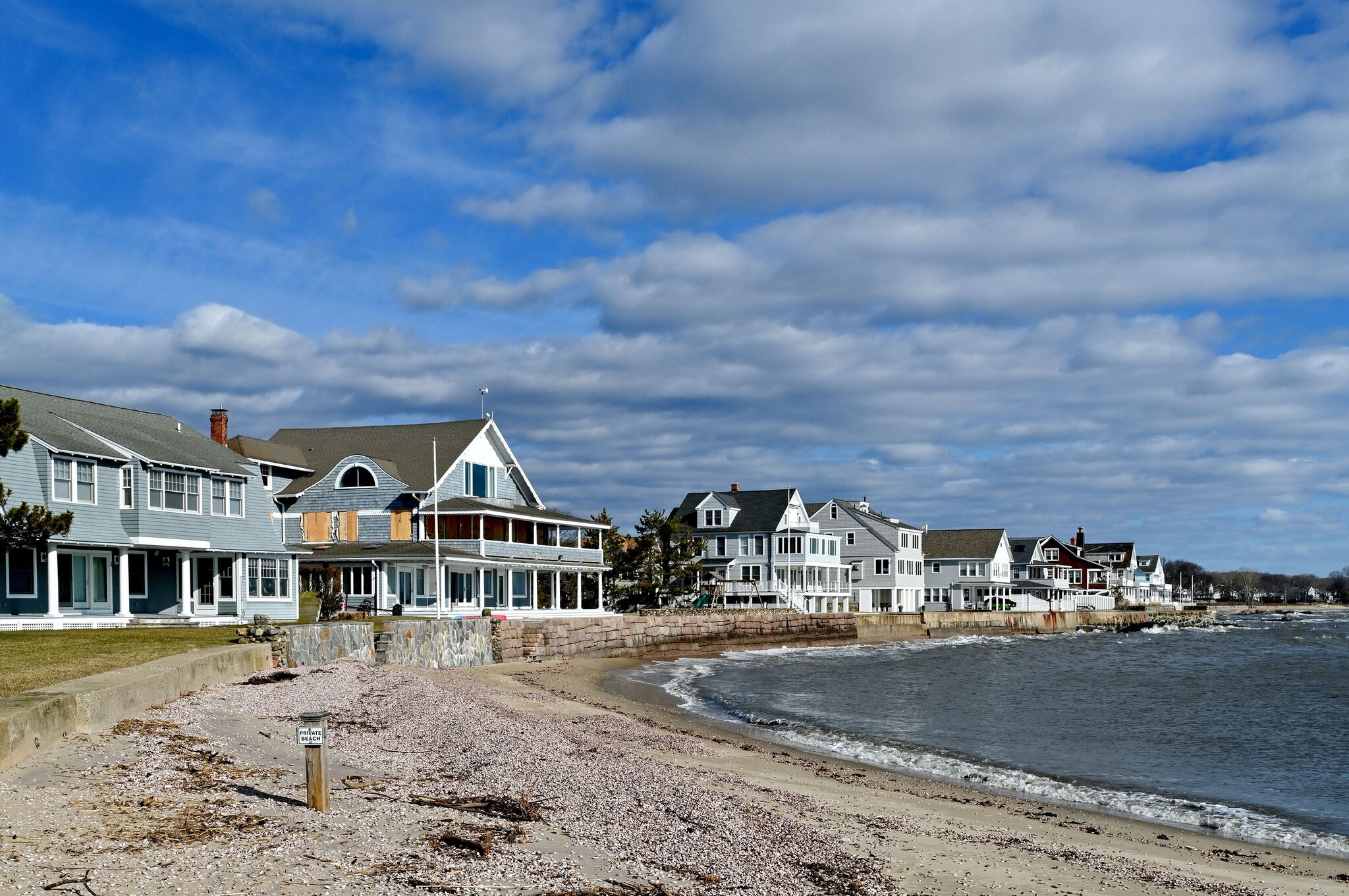
- Practical environment: There are approximately 120 STR listings (98 unique properties) in Madison, most concentrated in coastal areas, with a median nightly rate of $344 and predominantly single‑family dwellings without on‑site hosts. Enforcement has been inconsistent, creating uncertainty for operators.
- What this means now: STRs operate in a gray area. An operator can likely operate today, but risk remains. Madison is actively drafting an ordinance; a clear permitting and regulatory framework is expected within the next 6–24 months, and operators should prepare to comply.
How to Start an STR Business in Madison (Current, Practical Steps)
Given the regulatory uncertainty, operate responsibly, document compliance, and stay closely engaged with town processes.
- Assess regulatory risk and select the right property
- Understand zoning and neighborhood dynamics:
- Contact the Planning & Zoning Department for zoning verification and any current interpretation of STR use in your zone. If you’re near beaches or in dense residential areas, expect greater scrutiny.
- Review HOA covenants and deed restrictions. Many beach/association communities restrict transient rentals; these may limit STR use regardless of town policy.
- Evaluate risk tolerance:
- Lower risk: owner‑occupied homes or accessory dwelling units in mixed‑use/downtown areas; properties where you can pivot to long‑term rental or owner use if rules tighten.
- Higher risk: investor‑owned, non‑owner‑occupied single‑family dwellings in residential neighborhoods with known STR opposition; properties heavily dependent on peak summer STR income.
- Prepare the property for safe and professional operation
- Safety and code basics:
- Install and maintain smoke detectors on each level and in each bedroom; install carbon monoxide detectors near fuel‑burning appliances and sleeping areas.
- Ensure clear egress routes from bedrooms, safe electrical and plumbing systems, and general building habitability consistent with Connecticut codes.
- Post emergency information (911, local contact, owner) and an evacuation plan.
- Coastal considerations:
- Provide clear guidance on beach access, parking, and neighborhood expectations. Off‑street parking is especially important in beach areas; street parking and overflow can create neighbor friction.
- If applicable, confirm flood zone status and share hurricane preparedness information.
- Establish a strong legal and tax framework
- Insurance:
- Obtain STR‑specific liability coverage (commonly $1 million) and appropriate property coverage. Standard homeowners policies generally do not cover STR activities.
- Taxes:
- Connecticut Room Occupancy Tax (15%) applies to rentals of 30 days or less. Platforms like Airbnb and Vrbo typically collect and remit automatically; if you rent directly, you must register with the Connecticut Department of Revenue Services (DRS) and collect/remit this tax.
- Report all rental income on your federal return (Schedule E) and track deductible expenses. Review IRS rules for short‑term rentals and consider the “14‑day rule” where applicable.
- Registration and documentation:
- If renting directly (not via a platform), register with DRS to obtain a tax registration number and set up remittance.
- Maintain a guest registry (names, dates, contact information).
- Document compliance (safety equipment, any inspections, communications with the town).
- Operate with neighbor relations and community sensitivity as a priority
- Given the ongoing debate in Madison, proactive community engagement is essential:
- Introduce yourself to immediate neighbors, provide a direct contact number, and respond quickly to concerns.
- Enforce strict quiet hours (e.g., 10 PM – 8 AM), no party/event policies, and clearly communicate parking rules and trash/recycling schedules.
- Screen guests carefully and set expectations in your house rules and welcome materials.
- These practices reduce complaints, mitigate the push for restrictive rules, and help position your operation favorably if future regulations include grandfathering or “good operator” provisions.
- Stay engaged with town processes and prepare for change
- Monitor the Planning & Zoning Commission and Board of Selectmen meetings for drafts, public hearings, and adoption timelines of an STR ordinance.
- Be prepared to pivot quickly if the town adopts restrictions on owner‑occupancy, density, occupancy limits, or rental days, or implements a registration/permit system.
- Maintain complete records now to demonstrate responsible operation if/when the town distinguishes between existing and new operators.
Required Documents, Permits, Licenses, and Guidelines (Current Practical Baseline)
Documents required for compliant operation today:
- Connecticut Tax Registration Number (DRS): Required only if renting directly (not via platforms). Obtain from DRS and set up room occupancy tax collection/remittance.
- Liability Insurance Policy: STR‑specific liability coverage (commonly $1 million minimum) with property endorsement.
- Property Deed and/or Lease: Verify no deed/HOA/private restrictions that prohibit short‑term rental activity.
- Guest Registry: Log of all stays (dates, guest names, contact details).
- Rental Agreements and House Rules: Signed agreements and clear rules covering occupancy, quiet hours, parties/events, parking, smoking, and conduct.
- Safety Compliance Records: Documentation that smoke and CO detectors are installed and tested, egress is clear, and general habitability standards are met.
- Tax Records: Evidence of room occupancy tax collection/remittance (or platform remittance records), and federal income tax reporting.
Permits and licensing status:
- There is no dedicated Madison STR permit or license at present.
- The town is drafting an STR ordinance that may include a registration/permit system, safety inspections, fees, occupancy limits, and other operational standards. Operators should expect these in the near term.
Guidelines relevant now:
- Madison Zoning and Subdivision Regulations (note: STRs are not explicitly listed as a permitted use in residence districts; the legal interpretation of this omission is actively debated).
- Connecticut building and safety standards (smoke/CO detectors, egress, habitability).
- Connecticut room occupancy tax rules for rentals of 30 days or less.
- HOA and private covenant restrictions (if applicable).
Specific Regulations (City/County/State)
City of Madison (current):
- No formal STR ordinance as of late 2025.
- Madison’s zoning regulations do not list STRs as a permitted use in residence districts, and the regulations restrict buildings to uses “permitted or required” by zoning/subdivision rules. A group of residents argues this means STRs are prohibited in residence districts, while town officials have stated the omission does not automatically prohibit STRs and that the matter should be addressed via ordinance.
- The Board of Selectmen has been working on an STR ordinance since at least 2021, exploring options ranging from registration to regulation to restriction, and considering elements such as rental day limits, occupancy caps, owner‑occupancy or local contact requirements, parking rules, safety inspections, and enforcement mechanisms.
- Town data indicates approximately 120 STR listings (98 unique properties), predominantly single‑family homes, most without on‑site hosts, with a median nightly rate of $344.
County (New Haven County):
- No county‑specific STR regulations identified in the provided content. County rules are not a factor for Madison STRs based on the information available.
State of Connecticut:
- Connecticut Room Occupancy Tax: 15% of the total rental price (including nightly rate, cleaning fees, service fees, and other mandatory charges) for rentals of 30 days or less. Airbnb/Vrbo typically collect and remit automatically; direct renters must register with DRS and remit.
- No state‑level STR registration or statewide licensing is required; regulation is primarily left to municipalities.
- General building, safety, and habitability standards apply.
Future regulation expectations:
- A Madison STR ordinance is expected to include registration/permitting, operational standards (occupancy limits, rental day caps, parking, noise), owner oversight requirements, and enforcement mechanisms (fines, suspension/revocation). Details are pending public hearings and adoption.
Contact Information
Town of Madison
-
Planning & Zoning Department
- Address: Madison Town Campus, 8 Campus Drive, Madison, CT 06443
- Phone: (203) 245‑5600
- Email: webmaster@madisonct.org
- Hours: Monday–Thursday 8:30 AM – 4:30 PM; Friday 8:30 AM – 12:00 PM
- Website: www.madisonct.org/349/Planning-Zoning-Department
- Purpose: Zoning verification, current STR status, regulatory updates
-
Board of Selectmen
- Website: www.madisonct.org/
- Purpose: STR policy decisions, public comment periods, ordinance development
-
Building Department
- Email: garofalov@madisonct.org
- Phone: (203) 245‑5618
- Purpose: Building code questions, safety standards
State of Connecticut
- Connecticut Department of Revenue Services (DRS)
- Phone: (860) 297‑5962
- Website: portal.ct.gov/DRS
- Purpose: Room occupancy tax registration, filing, and compliance
Source Pages
-
New Haven Register: “With residents divided, Madison explores ordinance regulating short‑term rentals”
-
Town of Madison Board of Selectmen: January 10, 2023 Meeting Minutes (Draft STR Ordinance Options and Considerations)
-
The Offer Sheet: “Madison CT Short Term Rental Regulations” (October 2025, informational)
-
Summer: “Vacation Rental Management in Madison, Connecticut”
Notes and Disclaimers
- This guide is for informational purposes only and does not constitute legal advice. Regulations may change; always confirm current requirements with Madison officials and consult qualified legal counsel.
- Madison’s legal status regarding STRs in residential districts is currently contested and under active review. Proceed with caution, operate responsibly, document compliance, and remain engaged with town processes.
- If Madison adopts new regulations, grandfathering or transitional provisions for existing operators may be considered, but nothing is guaranteed until an ordinance is enacted.
What do Airbnb hosts actually earn in Madison?
Madison hosts earn a median $34,196/year with $334 ADR and 49% occupancy.
Top performers pull in $48,054+ per year.
See the full Madison market breakdownNext step
Found a property in Madison?
Paste any address and get estimated revenue, cash-on-cash return, and comparable STR performance in under 5 minutes. 3 free analyses per day.
Free brief
Get the free Madison STR Investment Brief
Revenue data, top neighborhoods, seasonal trends, and the key regulations for Madison, Connecticut in one email.
Madison
Market Saturation Score
Photos of Madison


Overview of Madison
Madison is a coastal town in New Haven County, Connecticut, with a population of approximately 18,000 residents. The town has a classic New England character, blending a walkable historic downtown with a scenic stretch of Long Island Sound shoreline. It is best known for its beaches and as the home of one of Connecticut's most popular state parks, and it serves as a gateway to a string of equally charming shoreline communities along the central Connecticut coast. Madison sits about 20 miles northeast of New Haven, the nearest major city, and roughly 90 miles from New York City, putting it within easy reach of two of the largest population centers in the Northeast.
Hammonasset Beach State Park is the marquee draw in Madison and one of the most visited outdoor destinations in the state. Stretching along more than two miles of Long Island Sound beach, the park offers swimming, fishing, camping, and a network of walking and biking trails through salt marshes and along Meigs Point. It is just minutes from the town center, and the official state parks page offers a detailed overview of amenities and seasonal information: Hammonasset Beach State Park.
Downtown Madison centers around the Boston Post Road and the adjacent historic district, where 19th-century architecture houses a mix of independent boutiques, restaurants, and cafés. The tree-lined streets and well-preserved homes give the area a low-key, residential feel that contrasts with the busier shoreline towns farther west. Visitors and residents alike gravitate here for casual dining and seasonal events throughout the year.
Just east of Madison lies the town of Guilford, another historic shoreline community known for its sprawling town green — one of the largest in New England — surrounded by colonial-era homes, churches, and the Henry Whitfield State Museum, the oldest stone house in New England. The drive from Madison to Guilford's center takes about 10 minutes, making it an easy pairing for a day of exploring.
Farther afield, the lower Connecticut River Valley offers additional opportunities for day trips. The towns of Essex, Chester, and Old Saybrook sit within roughly 20 to 30 minutes of Madison by car, each known for riverfront scenery, antique shops, and small museums. Old Lyme, a bit farther east, is recognized as the birthplace of American Impressionism and remains home to the Florence Griswold Museum, the former boardinghouse of the Lyme Art Colony.
Madison's combination of accessible shoreline, small-town atmosphere, and proximity to both New Haven and the greater New York metropolitan area makes it a natural fit for short-term rentals. Travelers seeking a quieter coastal alternative to the Hamptons or Cape Cod find a town that delivers beaches, historic character, and convenient access to a chain of equally charming Connecticut shore communities — all within an easy drive of major Northeast population centers.
Want to know if a property in Madison is a good investment?
Enter an address to get instant revenue potential and comps.