
Kent, Connecticut
Want to see how Kent compares to other top cities in Connecticut? Explore all city regulations in Connecticut. →
Kent, CT
Challenging To Investors
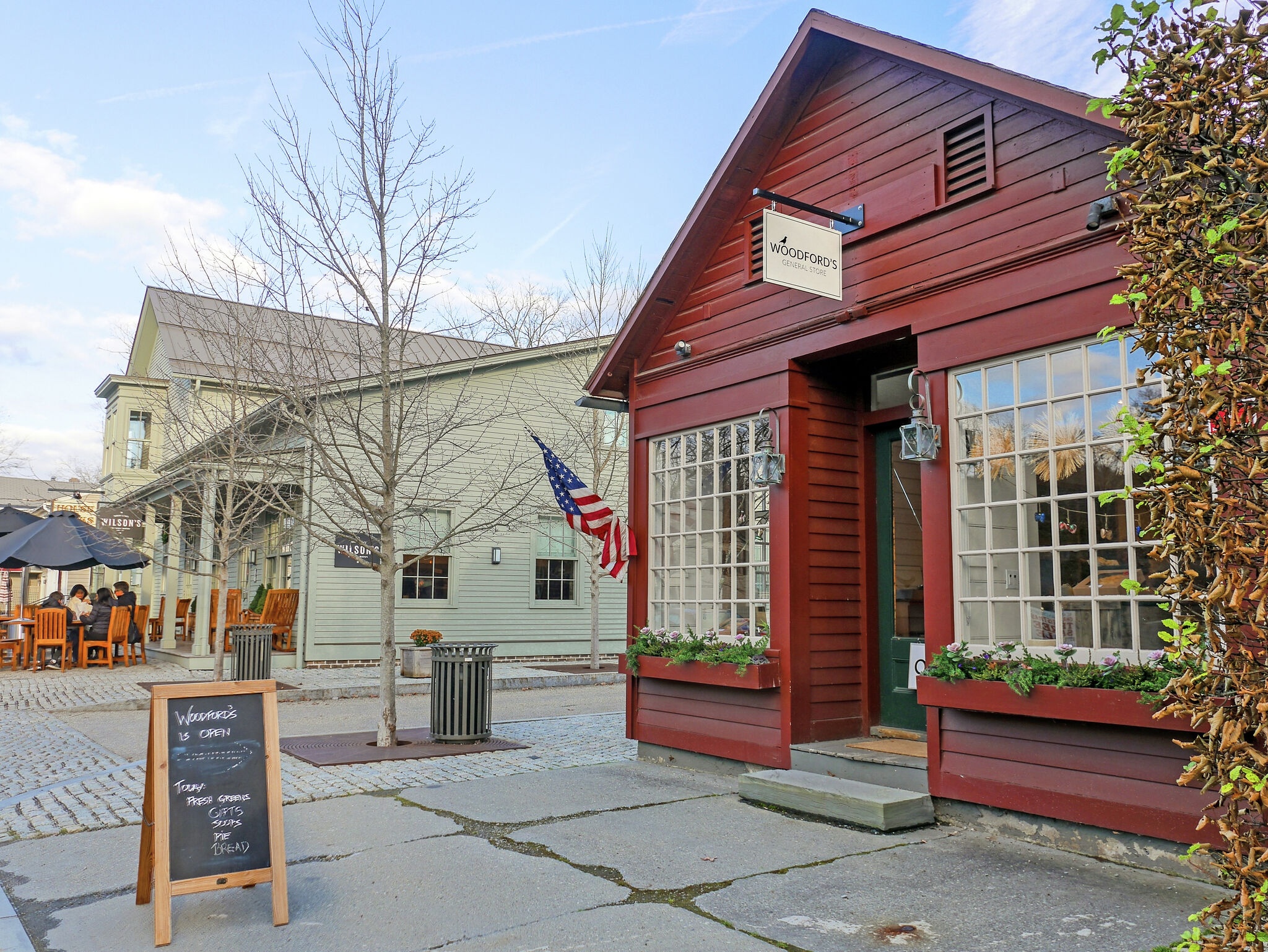
STR Regulations for Kent, Connecticut
Overview: Are Short-Term Rentals Allowed in Kent, CT?
Short-term rentals are allowed in Kent, CT under specific conditions and regulatory frameworks. The town permits various forms of temporary lodging, including bed and breakfast establishments, boarding houses, and short-term rental accommodations, subject to zoning requirements, permits, and operational standards outlined in the Kent Zoning Regulations effective September 9, 2023.
The regulations distinguish between different types of short-term lodging:
- Bed and Breakfast establishments (up to 6 guest rooms)
- Boarding houses (up to 6 boarders)
- Short-term rental accommodations through accessory dwelling units
- Campgrounds and camps (under separate regulations)
What do Airbnb hosts actually earn in Kent?
Kent hosts earn a median $35,798/year with $278 ADR and 54% occupancy.
Top performers pull in $51,621+ per year.
See the full Kent market breakdownHow to Start a Short-Term Rental Business in Kent, CT
Step 1: Determine Your Zoning Eligibility
Review the Kent Zoning Map and regulations to confirm your property is in an appropriate zoning district. Short-term rental operations are permitted in various residential districts:
Village Residential Districts (VR-1 and VR-2):
- Bed and breakfast establishments (up to 6 bedrooms) - Special Permit required
- Boarding houses (up to 6 people) - Special Permit required
- Accessory dwelling units (STR potential) - various approval levels
Rural Residential District (RU-1):
- Similar provisions for lodging establishments
- Additional agricultural-related opportunities
Step 2: Choose Your Business Structure
Primary Options:
- Bed and Breakfast - Owner-occupied single-family dwelling with guest rooms
- Boarding House - Owner-occupied single-family dwelling for boarders
- Accessory Dwelling Unit - Secondary rental unit on property
- Commercial Lodging - Hotels/motels in appropriate commercial zones
Step 3: Secure Required Approvals
Permitted by Special Permit (Commission with Public Hearing):
- Bed and breakfast establishments (VR districts)
- Boarding houses (VR districts)
- Detached accessory dwelling units
- Commercial lodging in appropriate zones
Permitted by Site Plan Approval:
- Some accessory uses and structures
- Farm stores and agricultural-related businesses
Permitted by Zoning Permit (Staff):
- Internal/attached accessory dwelling units
- Minor home occupations
- Various accessory uses
Step 4: Meet Dimensional and Operational Standards
VR-1 District Requirements:
- Minimum lot area: 10,000 SF
- Minimum lot width: 80 feet
- Maximum building coverage: 30% (principal and accessory)
- Building height limits: 35 feet (principal), 20 feet (accessory)
VR-2 District Requirements:
- Minimum lot area: 30,000 SF
- Minimum lot width: 150 feet
- Maximum building coverage: 25% (principal and accessory)
- Building height limits: 35 feet (principal), 20 feet (accessory)
Required Documents, Permits, Licenses, and Guidelines
Zoning Permits and Approvals
1. Zoning Permit (Staff Level)
- Required for: Internal accessory dwelling units, minor home occupations
- Process: Submit application to Zoning Enforcement Officer
- Timeline: Typically administrative approval
2. Site Plan Approval (Commission)
- Required for: Farm stands, certain accessory uses, commercial lodging
- Process: Submit site plan application with required documentation
- Timeline: Commission review with possible public hearing
3. Special Permit (Commission with Public Hearing)
- Required for: Bed and breakfast establishments, boarding houses, detached accessory dwelling units
- Process: Public hearing required, neighbor notification
- Timeline: Commission review after public hearing
Documentation Requirements
Standard Application Package:
- Completed application forms
- Site plans or surveys (as required)
- Building plans/drawings
- Proof of property ownership
- Detailed operational plans
- Parking and access plans
- Waste management plans
- Neighbor notification certificates (for special permits)
Specific Requirements for Bed and Breakfast:
- Owner-occupancy verification
- Maximum 6 guest rooms
- Breakfast service provision
- Guest capacity calculations
- Parking arrangements
- Emergency access plans
Specific Requirements for Boarding Houses:
- Owner-occupancy verification
- Maximum 6 boarders (plus owner's family)
- Room rental agreements
- Common area utilization plans
Building and Safety Compliance
Connecticut State Building Code Compliance:
- Life safety systems
- Fire detection/suppression
- Emergency egress
- Accessibility standards (where applicable)
- Health department approval for food service
Health Department Requirements:
- Food service permits (for bed and breakfast)
- Wastewater disposal approval
- Potable water compliance
Specific Regulations for Short-Term Rentals
Bed and Breakfast Regulations (Section 6300)
Eligibility Requirements:
- Must be accessory to and within an owner-occupied single-family dwelling
- Maximum 6 guest bedrooms for guests
- Breakfast service included (no other meals)
Operational Standards:
- Owner must reside on premises
- Maximum guest room capacity as specified
- Compliance with parking requirements
- Proper waste management systems
- Compliance with noise and nuisance regulations
Location Requirements:
- Subject to underlying zoning district requirements
- Must meet setback and coverage standards
- Accessory to residential use in appropriate zones
Boarding House Regulations
Eligibility Requirements:
- Accessory to and within an owner-occupied single-family dwelling
- Maximum 6 individuals in addition to owner's family
- Board and room provision
Operational Standards:
- Owner-occupancy requirement
- Room rental arrangements
- Common area utilization
- Parking and access compliance
Accessory Dwelling Unit Regulations (Section 6200)
Types Permitted:
- Internal accessory dwelling (within existing dwelling)
- Attached accessory dwelling (addition to existing)
- Detached accessory dwelling (separate structure)
General Requirements:
- Maximum one per lot
- Owner-occupancy requirements (varies by type)
- Compliance with parking standards
- Setback and coverage requirements
- Wastewater disposal compliance
Commercial Lodging Regulations
Hotels and Motels:
- Permitted in commercial districts (VC, BH)
- Subject to dimensional and operational standards
- Parking and access requirements
- Site plan approval required
Parking Requirements (Section 8200)
Residential Lodging Standards:
- Bed and breakfast: parking for guests
- Boarding house: parking for boarders
- Compliance with section 8200 parking standards
- Commercial vehicle restrictions
Noise and Nuisance Controls
Section 7100 Environmental Standards:
- Noise level limitations
- Nuisance prevention
- Lighting controls
- Hours of operation restrictions
- Neighbor impact minimization
Contact Information for Local Authority
Planning and Zoning Commission
Primary Contact for STR Approvals
Physical Address: Town of Kent Planning & Zoning Commission Kent Town Hall 41 Kent Green Boulevard Kent, CT 06757
Phone: (860) 927-4545 Fax: (860) 927-1012 Email: planning@townofkentct.org
Office Hours:
- Monday, Tuesday, Wednesday, Friday: 8:30 AM - 4:00 PM
- Thursday: 8:30 AM - 6:00 PM
Zoning Enforcement Officer
Daily Operations and Permit Processing
Phone: (860) 927-4545 Email: zoning@townofkentct.org
Kent Town Hall
General Municipal Services
Phone: (860) 927-4627 Address: 41 Kent Green Boulevard, Kent, CT 06757 Website: www.townofkentct.org
Application Submission
Planning & Zoning Department Email: planning@townofkentct.org Phone: (860) 927-4545
Source Pages and References
Primary Regulatory Document:
Key Sections for STR Operators:
- Section 3100: Village Residential Districts (VR-1 and VR-2)
- Section 3200: Rural Residential District (RU-1)
- Section 6100: Home-Based Businesses
- Section 6200: Accessory Dwellings/Guest Houses
- Section 6300: Bed and Breakfast
- Section 8200: Parking and Loading Standards
Additional Resources:
- Kent Zoning Map (contact Planning Department)
- Application forms and procedures
- Fee schedules
- Public meeting schedules
Important Notes for STR Investors:
-
Regulatory Compliance: All operations must comply with current zoning regulations and obtain proper approvals before commencing operations.
-
Periodic Reviews: Kent Zoning Regulations are dynamic documents subject to regular review and updates. Investors should verify current requirements before making investment decisions.
-
Overlay Districts: Some properties may be subject to additional overlay district requirements (Kent Village Overlay District, etc.) that could impact STR operations.
-
Neighbor Relations: Special permit processes include public hearings, making neighbor relations and community impact important considerations for STR operators.
-
Non-Conforming Uses: Existing lodging operations may have different regulatory status if they pre-date current regulations. Consult with the Zoning Enforcement Officer for specific situations.
This guide provides a comprehensive framework for understanding and navigating short-term rental regulations in Kent, CT. Prospective investors should consult directly with the Planning and Zoning Commission for specific project guidance and current regulatory interpretations.
Next step
Found a property in Kent?
Paste any address and get estimated revenue, cash-on-cash return, and comparable STR performance in under 5 minutes. 3 free analyses per day.
Free brief
Get the free Kent STR Investment Brief
Revenue data, top neighborhoods, seasonal trends, and the key regulations for Kent, Connecticut in one email.
Kent
Market Saturation Score
Photos of Kent


Overview of Kent
Kent is a small rural town in Litchfield County, in the northwestern corner of Connecticut, with a year-round population of roughly 2,800 to 3,000 residents. Set in the rolling Litchfield Hills along the Housatonic River, it has the unhurried, artsy character typical of small New England towns, with a historic village center, independent galleries, antique shops, and farm-to-table restaurants framed by wooded ridgelines that draw leaf-peepers each autumn. The town is home to Kent School, a private college-preparatory boarding school founded in 1906, and it serves as a natural gateway to a wide swath of protected parkland in the upper Housatonic valley. Kent sits roughly 90 miles north of New York City, about an hour and a half drive from Manhattan via I-84 and Route 7, while Hartford lies approximately 50 miles to the east.
Just north of the village center, Kent Falls State Park is one of the most photographed spots in the region. The park follows a series of cascading waterfalls on Falls Brook as it tumbles more than 200 feet down granite steps, and a short hiking trail climbs alongside the falls to a scenic overlook. The park is only about a five-minute drive from the village and is popular year-round, especially in fall when the surrounding forest turns color.
A few miles north of town, Macedonia Brook State Park covers roughly 2,300 acres of forest and field along the New York border, with the Appalachian Trail passing through. Visitors come for camping, trout fishing in Macedonia Brook, and miles of moderate hiking trails, with Cobble Mountain offering some of the better views in the Litchfield Hills. It is about a ten to fifteen minute drive from the village.
To the south, the hamlet of Bulls Bridge straddles the Housatonic River and marks the entrance to a popular paddling stretch that runs upstream toward Cornwall. The adjacent Great Falls, where the river drops sharply over exposed bedrock, has long drawn photographers, and a short walk leads to the covered bridge that gives the area its name. The area is about a ten-minute drive south of the village center and connects easily to other Litchfield Hills destinations, including Lime Rock Park, a road-racing circuit in nearby Lakeville, and the larger cultural draws of the Berkshires, which lie roughly an hour's drive to the north.
What makes Kent especially well suited to short-term rentals is the combination of a small, walkable village core and easy access to some of the most varied outdoor recreation in western Connecticut. Couples, families, and outdoor enthusiasts can be on a hiking trail, a river, or a waterfall within minutes of their door, while day trips to the Berkshires, the Hudson Valley, or even New York City are all feasible from the same address. That mix of year-round natural beauty, a distinctive small-town cultural scene, and proximity to major Northeast population centers has long made Kent a favorite second-home and weekend-getaway destination.
Want to know if a property in Kent is a good investment?
Enter an address to get instant revenue potential and comps.