
Clinton, Connecticut
Want to see how Clinton compares to other top cities in Connecticut? Explore all city regulations in Connecticut. →
Clinton, CT
Very Investor Friendly
STR Regulations for Clinton, Connecticut
Overview: Are Short-Term Rentals Allowed in Clinton, CT?
Yes, short-term rentals are allowed in Clinton, Connecticut. However, it is important to understand that Clinton, CT does not have specific short-term rental ordinances like many other municipalities. Instead, short-term rental operations must comply with general housing codes, zoning regulations, and state-level requirements.
This absence of local STR-specific regulations creates a more flexible but also less defined regulatory environment for investors. While you won't encounter the granular requirements common in municipalities with dedicated STR ordinances, you must still navigate broader housing, zoning, and tax compliance requirements that apply to all short-term rental operations in Connecticut.
What do Airbnb hosts actually earn in Clinton?
Clinton hosts earn a median $41,316/year with $337 ADR and 52% occupancy.
Top performers pull in $55,772+ per year.
See the full Clinton market breakdownHow to Start a Short-Term Rental Business in Clinton, CT
Step 1: Property Assessment and Compliance Verification
Begin with a comprehensive evaluation of your property's eligibility for short-term rental use:
-
Zoning Compliance: Verify that short-term rental use is permitted in your property's zoning district. Clinton, CT allows short-term rentals in residential zones as a residential use, but confirm specific restrictions with the Clinton Planning and Zoning Commission.
-
Homeowners Association/Condo Board Review: Before proceeding, obtain written approval from any homeowners association or condominium board, as these entities often have specific rules regarding short-term rental activities.
-
Insurance Verification: Confirm that your existing homeowner's insurance policy covers short-term rental activities, or obtain additional coverage as needed.
Step 2: State-Level Tax Registration and Compliance
Connecticut requires short-term rental operators to register for and collect specific taxes:
-
Connecticut Occupancy Tax Registration: Register with the Connecticut Department of Revenue Services (DRS) to collect and remit the 15% occupancy tax on rentals of 30 days or less.
-
Sales Tax Considerations: While the occupancy tax typically covers the required state tax obligations, verify whether additional sales tax requirements apply to your specific situation.
Step 3: Property Preparation and Safety Compliance
Ensure your property meets all applicable health and safety standards:
-
Building Code Compliance: Verify compliance with Connecticut State Building Code requirements, including smoke detectors, carbon monoxide detectors, and electrical safety standards.
-
Health Department Requirements: If operating in an area with private septic systems, ensure compliance with local health department regulations regarding waste disposal and system capacity.
-
Fire Safety Requirements: Install appropriate fire safety equipment and ensure clear emergency egress routes.
Step 4: Marketing and Platform Setup
Once regulatory compliance is established, focus on operational setup:
-
Platform Selection: Choose appropriate short-term rental platforms (Airbnb, VRBO, etc.) and create professional listings.
-
Local Marketing: Develop marketing strategies that highlight Clinton's attractions, including proximity to Hammonasset Beach State Park, the town's historic district, and Clinton Crossing Premium Outlets.
-
Guest Communication Systems: Establish reliable systems for guest check-in, communication, and issue resolution.
Required Documents, Permits, Licenses, and Guidelines
State-Level Requirements
Connecticut Department of Revenue Services (DRS)
- Connecticut Occupancy Tax Registration: Required to collect and remit the 15% occupancy tax on rentals of 30 days or less
- Application Process: Register online through the DRS website or by contacting their office directly
- Ongoing Compliance: Monthly or quarterly tax filing and remittance, depending on volume
Local Requirements
Town of Clinton
- No Specific STR Permit Required: Clinton, CT does not currently require a special short-term rental permit or license
- General Zoning Compliance: Ensure your property use complies with residential zoning requirements
- Building Permits: Required for any structural modifications or significant renovations
Insurance Requirements
Property Insurance
- Homeowner's Policy Rider: Obtain a rider specifically covering short-term rental activities
- Commercial Coverage: Consider commercial short-term rental insurance policies for comprehensive protection
- Liability Coverage: Maintain minimum $1 million liability coverage to protect against guest-related incidents
Documentation Checklist
- Connecticut Occupancy Tax Registration Certificate
- Property deed or lease agreement proving ownership/lease rights
- Proof of adequate insurance coverage
- Safety compliance documentation (smoke detectors, CO detectors, etc.)
- septic system compliance documentation (if applicable)
- HOA/condo board approval documentation (if applicable)
- Emergency contact information and property management details
Specific Regulations for Short-Term Rentals
Municipal Level (Clinton, CT)
Current Status: Clinton, CT operates under a regulatory framework that does not include specific short-term rental ordinances. This means:
- No Annual Registration Requirements: Unlike municipalities with dedicated STR laws, Clinton does not require annual registration or permit renewals for short-term rentals
- Flexible Operating Parameters: No set maximum stay limitations or guest quantity restrictions beyond what zoning laws and property safety standards naturally impose
- Standard Residential Use Compliance: Short-term rentals are treated as residential uses and must comply with standard residential zoning requirements
County Level (Middlesex County)
Current Status: Middlesex County does not have specific short-term rental regulations. County-level requirements focus primarily on:
- Public Health Regulations: Compliance with county health department requirements, particularly regarding septic systems and waste disposal
- Emergency Services Coordination: Ensuring properties are accessible to emergency services and properly addressed
State Level (Connecticut)
Occupancy Tax Requirements
- Tax Rate: 15% of the total rental price, including cleaning fees
- Collection Responsibility: Hosts must collect this tax from guests
- Remittance Requirements: Tax must be remitted to the Connecticut Department of Revenue Services
- Filing Frequency: Based on rental volume - quarterly for lower volumes, monthly for higher volumes
State Building and Safety Codes
- Connecticut State Building Code: All properties must comply with current building code requirements
- Fire Safety Standards: Installation and maintenance of appropriate fire safety equipment
- Accessibility Requirements: Compliance with Americans with Disabilities Act (ADA) requirements for public accommodations
Connecticut General Statutes
- Residential Use Definitions: Short-term rentals are considered residential uses under Connecticut law
- Consumer Protection: Compliance with Connecticut's consumer protection laws regarding rental practices
- Tax Collection and Remittance: Statutory requirements for tax collection and reporting
Zoning Compliance Requirements
Permitted Use Verification
- Residential Zoning Districts: Short-term rentals are generally permitted as residential uses
- Commercial Restrictions: Verify that short-term rental use does not violate any commercial zoning restrictions in your specific district
- Accessory Use Considerations: In some zones, short-term rental might be considered an accessory use requiring specific approvals
Parking and Density Requirements
- Standard Parking Requirements: Properties must provide adequate parking for guests without creating neighborhood impacts
- Noise and Nuisance Standards: Compliance with local noise ordinances and nuisance regulations
- Property Maintenance: Maintain properties in accordance with local property maintenance codes
Contact Information for Local Authorities
Primary Regulatory Agencies
Connecticut Department of Revenue Services (DRS)
- Phone: 1-800-842-4773
- Website: portal.ct.gov/DRS
- Email: Use online contact form through DRS website
- Purpose: Occupancy tax registration, compliance, and remittance
Town of Clinton Local Contacts
Town Hall - Planning and Zoning Department
- Phone: (860) 669-9333
- Address: 54 East Main Street, Clinton, CT 06413
- Website: clintonct.org
- Email: Available through website contact form
- Purpose: Zoning compliance verification, building permits, general planning inquiries
Building Department
- Phone: (860) 669-9333
- Address: 54 East Main Street, Clinton, CT 06413
- Purpose: Building code compliance, permits, safety inspections
Town Clerk's Office
- Phone: (860) 669-9101
- Address: 54 East Main Street, Clinton, CT 06413
- Purpose: Business licensing (if any), property records, general municipal information
County-Level Contacts
Middlesex County Health Department
- Phone: (860) 358-5310
- Address: 20 South Main Street, Middletown, CT 06457
- Website: middlesexcountyclinic.com
- Purpose: Septic system compliance, health regulations
State-Level Contacts
Connecticut Department of Consumer Protection
- Phone: (860) 713-6000
- Website: portal.ct.gov/DCP
- Purpose: Consumer protection, business practices compliance
Links to Source Pages
Official Government Resources
Town of Clinton Official Website
- https://www.clintonct.org
- Primary source for local regulations, zoning information, and municipal services
Connecticut Department of Revenue Services
- https://portal.ct.gov/DRS
- Official source for occupancy tax requirements, registration, and compliance
Connecticut General Assembly
- https://www.cga.ct.gov
- Source for state statutes governing short-term rental operations
Regulatory Reference Documents
Town of Clinton Zoning Regulations (Draft March 2023)
- https://clintonct.org/DocumentCenter/View/13489/PZC-Draft-Regulations-Package-03132023
- Comprehensive zoning definitions and requirements (Note: Draft document, verify current status)
Middlesex County Health Department
- https://middlesexcountyclinic.com
- Local health regulations and septic system requirements
Professional and Industry Resources
Connecticut Association of Realtors
- https://www.ctrealtors.com
- Professional guidance on property use and investment practices
Connecticut Department of Economic and Community Development
- https://portal.ct.gov/DECD
- Tourism and economic development information relevant to short-term rental market
Important Note: This guide is based on available information as of the research date. Connecticut's short-term rental regulatory landscape is evolving, and Clinton, CT may implement specific short-term rental regulations in the future. Always verify current requirements with local authorities before establishing or operating a short-term rental business.
Next step
Found a property in Clinton?
Paste any address and get estimated revenue, cash-on-cash return, and comparable STR performance in under 5 minutes. 3 free analyses per day.
Free brief
Get the free Clinton STR Investment Brief
Revenue data, top neighborhoods, seasonal trends, and the key regulations for Clinton, Connecticut in one email.
Clinton
Market Saturation Score
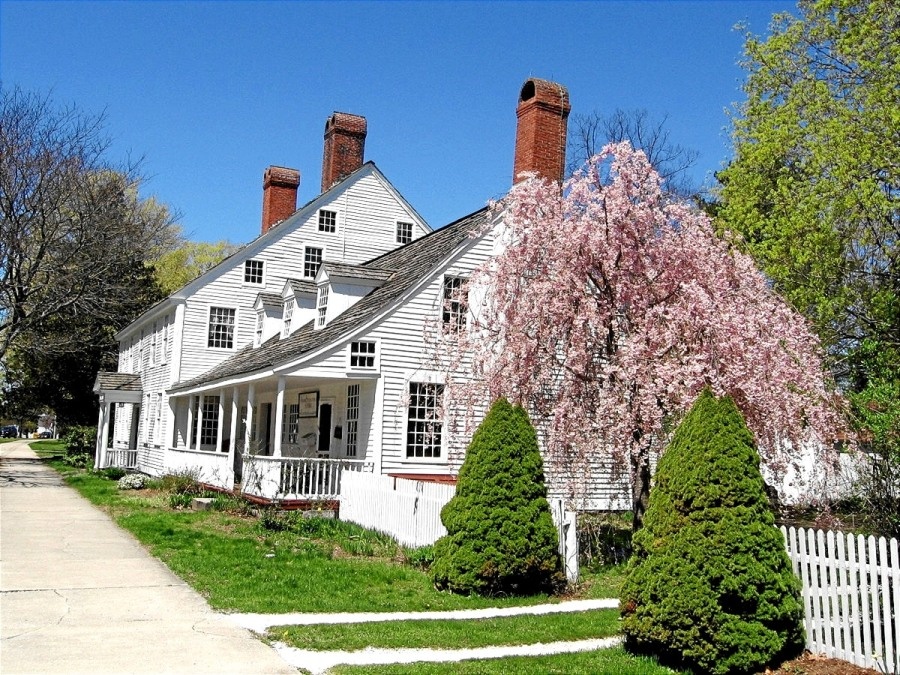
Photos of Clinton


Overview of Clinton
Clinton is a coastal town in Middlesex County, Connecticut, set along the western shore of Long Island Sound. With a population of roughly 13,000 residents, it carries the relaxed, easygoing feel of a New England shoreline community while still offering enough amenities to keep visitors busy in every season. Clinton is best known for its outlet shopping, its string of small town beaches, and as a convenient base for exploring the lower Connecticut River Valley. It sits roughly halfway between New York City and Boston, about 90 miles northeast of Manhattan and approximately 20 miles east of New Haven.
One of the largest draws in the immediate area is Hammonasset Beach State Park, located just minutes east in neighboring Madison. As Connecticut's largest shoreline park, it offers more than two miles of sandy beach, saltwater swimming, fishing, and a long network of walking and biking trails, making it a year-round favorite for families. From the center of Clinton, the park is only a short drive of about five to ten minutes, which keeps it within easy reach for a half-day excursion from any rental in town.
Just inland from the town center, the Clinton Premium Outlets bring a different kind of visitor, with dozens of name-brand stores clustered in an open-air shopping village. The center has long served as a regional shopping destination and helps the town pull weekend traffic well outside the summer months. Travelers looking for a slower pace, meanwhile, can stop into Chamard Vineyards, a small farm winery that has operated in Clinton for years, offering tastings of estate-grown varietals in a renovated 1908 barn.
To the east, the small coastal towns of Old Saybrook, Essex, and Westbrook add to the area's appeal. Old Saybrook, about a 15-minute drive, sits at the mouth of the Connecticut River and is home to the Katharine Hepburn Cultural Arts Center, a performing-arts venue named for the legendary actress who long lived nearby. A short distance farther east, the Essex Steam Train & Riverboat offers narrated excursions through the lower Connecticut River Valley, pairing a vintage train ride with a riverboat cruise past historic harbor towns. To the west, the city of New Haven provides museums, theaters, and a renowned dining scene within a roughly half-hour drive.
Clinton works well as a short-term-rental base precisely because it balances small-town New England character with quick access to beaches, vineyards, outlet shopping, and the cultural offerings of the southern Connecticut coast. Visitors can spend a morning on the sand at Hammonasset, an afternoon browsing the outlets or tasting local wine, and an evening exploring the river towns, all without ever leaving the shoreline corridor. For owners, that mix of seasonal beach traffic and steady weekend interest makes the town a reliable setting for year-round rental demand.
Want to know if a property in Clinton is a good investment?
Enter an address to get instant revenue potential and comps.