
Silt, Colorado
Want to see how Silt compares to other top cities in Colorado? Explore all city regulations in Colorado. →
Silt, CO
Generally Investor Friendly
STR Regulations for Silt, Colorado
Short‑Term Rentals in Silt, CO: Investor‑Focused Guide (2025)
Note: No city‑ or county‑specific short‑term rental ordinance or licensing program was identified in the provided source materials for Silt or Garfield County. As a result, this guide presents (a) a clear statement of the current status for Silt, (b) the city-level requirements that still apply to any lodging business, and (c) the operative state-level rules and taxes that govern STRs in Colorado. Citations and links to the source pages are provided at the end.
Overview: Are STRs Allowed in Silt, CO?
Short‑term rentals (STRs) are allowed in Silt. The town does not currently have a separate STR licensing or regulation program in the materials reviewed. STR operators must nonetheless comply with the same foundational requirements that apply to any lodging or home‑based business in Silt, including compliance with the International Building Code (2015 IBC, as adopted by Silt), International Fire Code (2015 IFC), and state lodging tax and consumer protection statutes for vacation rentals.
- Silt Municipal Code adopts the 2015 International Building Code (SMC 15.02.010), the 2015 International Mechanical Code, the 2015 International Plumbing Code, the 2015 International Fire Code, and the 2018 International Energy Conservation Code; electrical work is governed by the State of Colorado under the 2008 National Electrical Code.
- The town’s zoning code establishes use types and standards (e.g., setbacks, height, lot coverage, parking). STRs must be consistent with the underlying zone district and any recorded covenants or PUD standards that govern the subject property.
Bottom line: STRs are permitted in Silt so long as the use and building configuration meet the International Codes adopted by the town and the standards of the applicable zone district and recorded covenants.
What do Airbnb hosts actually earn in Silt?
Silt hosts earn a median $34,844/year with $254 ADR and 63% occupancy.
Top performers pull in $53,431+ per year.
See the full Silt market breakdownHow to Start a Short‑Term Rental Business in Silt
- Site feasibility and covenants
- Confirm that STR use is permitted by the zone district and compatible with any HOA or PUD covenants recorded against the property.
- Confirm that minimum parking, setbacks, and building standards can be met without variance.
- Building and life‑safety compliance
- STRs must comply with the adopted codes: 2015 IBC/IFC/IEC/IBC/IEC, and state electrical requirements. This includes:
- Structural, egress, smoke alarms, and fire protection features as required for the occupancy classification of the structure.
- Sprinklers may be required for certain occupancies and floor areas; NFPA standards apply where sprinklers are installed.
- Adequate off‑street parking, including accessible spaces where applicable, per Silt’s parking schedule.
- Permitting pathway (if structural changes, changes of occupancy, or new construction are proposed)
- Pre‑application consultation with the Community Development Department (Town Hall; phone 970‑876‑2353).
- Complete Silt’s building/site plan requirements:
- Site plan drawn to scale with legal description, setbacks, easements, utilities, water meter location, parking, and landscaping.
- Full construction plans as required by the building code, with soils report, engineered foundation, and energy compliance details.
- Submit plans and required deposits to the building department for review; obtain approvals prior to any construction or occupancy changes.
- Utility and infrastructure coordination
- Arrange utility locates through Colorado 811 at least three business days prior to any excavation.
- Coordinate any required water meter or backflow prevention measures.
- Business licensing and taxation
- Obtain any business license that Silt may require for lodging operations and lodging tax registration (see “Required Documents, Permits, and Licenses” below).
- Register to collect and remit Colorado state lodging taxes and local lodging taxes, if any are adopted.
- Operations and management
- Maintain compliant egress routes, smoke alarms, and fire extinguishers as applicable.
- Provide clear guest instructions for parking, trash, and quiet hours (if applicable) and manage occupancy consistent with the codes.
- Ensure ongoing maintenance and inspections are completed as required by the International Codes and any recorded covenants.
Required Documents, Permits, and Licenses
State of Colorado
- Sales/Use Tax Account for Lodging and State Lodging Tax Registration: Colorado requires hosts offering lodging to collect and remit state sales tax and the state lodging tax. Registration is with the Colorado Department of Revenue.
- Colorado Vacation Rental Rules: Colorado’s vacation rental statutes require hosts to provide contact information to guests, maintain compliance with local health and safety codes, and disclose certain information to the Division of Real Estate; local governments may require registration or local lodging taxes where adopted.
Town of Silt (as applicable)
- Business License: Confirm with Town Hall whether a separate business license is required for an STR operation in Silt.
- Building/Development Permits:
- Building permit application (commercial permit form) for any structural work, occupancy changes, or major renovations.
- Site plan review may be required for commercial or multi‑family developments; confirm applicability for the subject STR.
- Required plan sets include site plan, exterior elevations, floor plans, foundation/engineered drawings, energy compliance, and details required by the 2015 IBC and related codes.
- Utility Coordination:
- Water meter and sewer connections per Silt’s utilities requirements; backflow prevention may be required.
- Utility locates via Colorado 811 before digging.
- On‑Site Requirements:
- Adequate off‑street parking consistent with Silt’s parking schedule (e.g., assembly uses require one space per four fixed seats or one per 200 square feet of gross floor area where no fixed seating exists; other use types follow the schedule in SMC 17.52.030).
- Egress, fire safety, smoke alarms, and other life‑safety features as required by the adopted codes.
Additional
- HOA/PUD Approval (if applicable): Confirm and document compliance with any recorded covenants or planned unit development (PUD) standards that govern architectural, parking, and use restrictions.
- Sales Tax Exemption Certificates: If used during construction, return the certificate to the Town upon final inspection; otherwise a fee may be assessed prior to issuance of a certificate of occupancy.
Specific Regulations (City, County, State) Affecting STRs in Silt
City of Silt (no STR‑specific rules identified in the provided materials)
- Zoning: STRs must be a permitted or compatible use in the subject property’s zone district. The Silt Municipal Code includes district standards for setbacks, height, lot coverage, parking, and design criteria for certain developments.
- Building/Fire/Life‑Safety: The following are adopted and apply to STRs:
- 2015 International Building Code (IBC)
- 2015 International Fire Code (IFC)
- 2015 International Mechanical Code (IMC)
- 2015 International Plumbing Code (IPC)
- 2018 International Energy Conservation Code (IECC)
- 2008 National Electrical Code (State electrical oversight)
- Parking and Site Standards: Off‑street parking must meet Silt’s schedule (see SMC 17.52.030). Accessible parking and loading requirements may apply depending on occupancy and size. Site plan submittals must include parking layout and dimensions.
- Site Plan Review: Required for certain commercial or multi‑family projects; applicants should confirm whether their STR constitutes a “commercial” land use requiring review and approval prior to building permit issuance.
Garfield County
- No county‑level STR program was identified in the materials reviewed. Where properties lie outside Silt’s municipal limits, county zoning and any adopted county lodging taxes or registration programs would apply; confirm directly with Garfield County.
State of Colorado
- Lodging Taxes: Hosts must collect and remit state sales tax and the state lodging tax; registration with the Colorado Department of Revenue is required.
- Vacation Rental Compliance (C.R.S. § 12‑26‑101 et seq.):
- Provide guests with local emergency contact information and a physical address for the rental.
- Comply with local health and safety codes.
- Disclose to the Division of Real Estate the name and contact information of a responsible party for the property, as required by statute.
- Tax Policy Context: State‑level debates have focused on whether STRs should be taxed similarly to lodging and whether local governments should be permitted to levy additional taxes on vacant or short‑term rental properties. Local control measures continue to be discussed at the state level.
Contact Information (Local Authority in Charge of STRs)
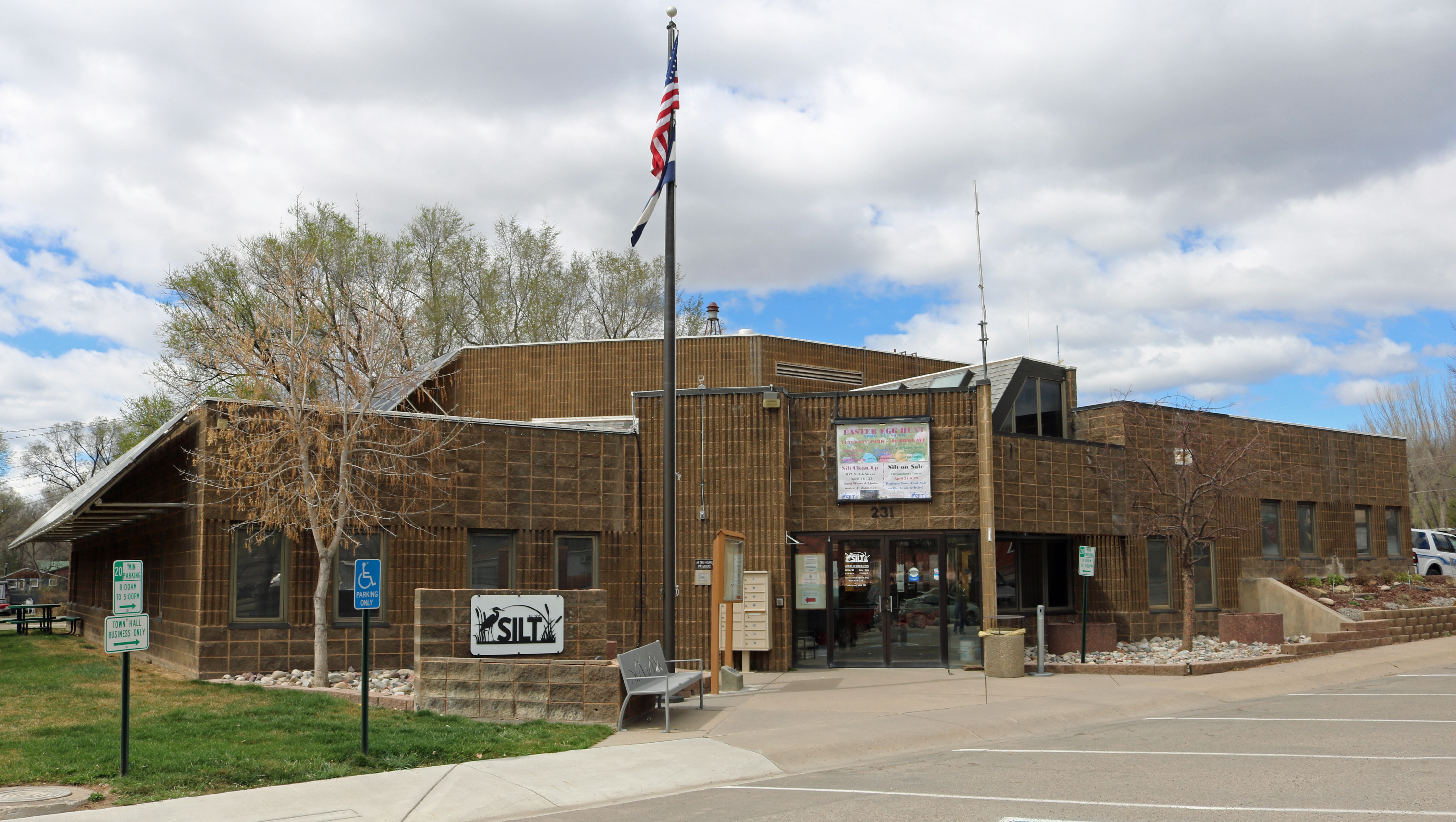
Town of Silt – Community Development Department (Building & Planning)
- Address: 231 North 7th Street, P.O. Box 70, Silt, CO 81652
- Phone: 970‑876‑2353 (main); building/permit line: 970‑876‑2353, ext. 110
- Website: townofsilt.org (see Community Development/Building Department pages for permits, applications, and fee schedules)
Garfield County (if outside Silt limits)
- Contact the Garfield County Land Use/Planning Department for zoning compliance and any county‑level lodging tax or registration requirements.
Colorado Department of Revenue
- For state lodging tax registration and compliance, contact the Colorado Department of Revenue’s tax section.
Colorado Utility Notification Center (811)
- Phone: 811 or 1‑800‑922‑1987
- Website: colorado811.org
Source Pages and Links
The following sources underpin this guide. When a regulation is described as adopted or required by Silt or the state, it is drawn from the town’s adopted codes (as evidenced in the Town of Silt building/permit documentation) or state statute as referenced in the article.
-
Town of Silt – Planning and Zoning Commission materials (agenda, staff report, and building permit application) demonstrating the adoption of 2015 IBC/IFC/IMC/IPC, 2018 IECC, and 2008 NEC, and the requirement for site plan review and code‑compliant construction: townofsilt.org/i/u/2017580/f/p_z_packets/2025%20P/Final_October_20__2025_P_Z.pdf
-
Summit Daily News coverage of Colorado STR and vacant home taxation policy discussions, including references to the Colorado Association of Ski Towns (CAST) recommendations for local control and state lodging taxation of STRs: www.summitdaily.com/news/colorado-str-taxes-vacant-home-election/
-
Colorado Utility Notification Center (811): colorado811.org
How to Use This Guide
- For properties within Silt: Follow the building and zoning compliance pathway above and confirm with Town Hall whether a local business license or lodging tax registration applies. Collect and remit state lodging taxes per Colorado law.
- For properties outside Silt but in Garfield County: Confirm county zoning and any county lodging tax or registration rules with Garfield County. If the county lacks specific STR rules, Colorado state lodging tax obligations still apply.
Practical Next Steps for Investors
- Verify the subject property’s zone district and recorded covenants; confirm whether STR use is compatible.
- Engage a licensed Colorado architect/engineer and contractor familiar with Silt’s code adoption to confirm egress, fire protection, occupancy classification, and parking.
- Submit any required building/site plan reviews and obtain permits before construction or occupancy changes.
- Register with the Colorado Department of Revenue for lodging tax and maintain any required local business license.
- Maintain guest contact information, physical address disclosures, and compliance with adopted life‑safety standards per Colorado law.
Next step
Found a property in Silt?
Paste any address and get estimated revenue, cash-on-cash return, and comparable STR performance in under 5 minutes. 3 free analyses per day.
Free brief
Get the free Silt STR Investment Brief
Revenue data, top neighborhoods, seasonal trends, and the key regulations for Silt, Colorado in one email.
Silt
Market Saturation Score
Photos of Silt
Overview of Silt
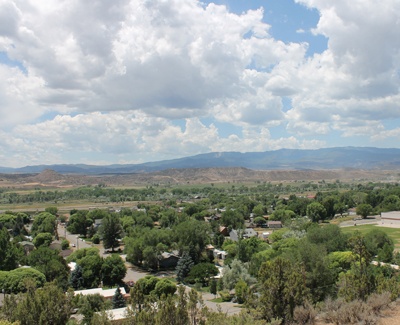
Silt is a small town in Garfield County, Colorado, situated along the Colorado River in the mountain corridor of western Colorado. With a population of roughly 3,500 residents, the town has a quiet, working-class character rooted in ranching, the surrounding rural landscape, and the outdoor lifestyle of the Colorado River valley. Travelers passing through often know Silt as a peaceful stop between the larger communities of Glenwood Springs to the east and Rifle to the west, and as a convenient gateway to some of the most striking public lands in the state. The town sits roughly 60 miles east of Grand Junction, the nearest major city, and about 150 miles west of Denver, with both reached along Interstate 70.
North of Silt rises the Flat Tops Wilderness, one of the largest wilderness areas in Colorado. Accessible via a network of forest roads that climb out of the river valley, the area is known for its broad, rocky plateaus, alpine lakes, and seasonal wildflower displays. It draws hikers, backpackers, and anglers throughout the summer months, with primary trailheads roughly 30 to 50 miles from town.
A short drive west of Silt, Rifle Falls State Park is a compact but photogenic destination famous for its three limestone waterfalls and the lush vegetation that thrives in the constant spray. Limestone caves, shaded picnic areas, and family-friendly campgrounds make it a popular stop, and it is only about 15 to 20 minutes from Silt by car.
About 15 miles east of Silt, Glenwood Springs is the area's larger hub, offering hot mineral pools, the historic Hotel Colorado, and a walkable downtown along the river. The Glenwood Hot Springs Pool and Iron Mountain Hot Springs are well-known draws, while Glenwood Canyon's dramatic rock walls are a memorable drive in their own right. The nearby Hanging Lake trail, when open to permit-holders, leads to one of Colorado's most photographed natural settings.
Just south of Silt, Harvey Gap State Park is a small reservoir that locals favor for fishing, non-motorized boating, and quiet picnics under the cottonwoods. It offers a low-key alternative to the busier destinations nearby and is a comfortable fit for travelers seeking a relaxed afternoon on the water.
Taken together, Silt offers short-term rental guests an affordable, uncrowded home base within easy reach of major regional draws. The town's central I-70 location places hot springs, alpine wilderness, waterfalls, and river recreation all within an hour's drive, while its small-town setting provides the kind of quiet, value-oriented stay that many visitors prefer over the busier resort communities nearby.
Want to know if a property in Silt is a good investment?
Enter an address to get instant revenue potential and comps.