
Woodland Hills, California
Want to see how Woodland Hills compares to other top cities in California? Explore all city regulations in California. →
Woodland Hills, CA
Challenging To Investors
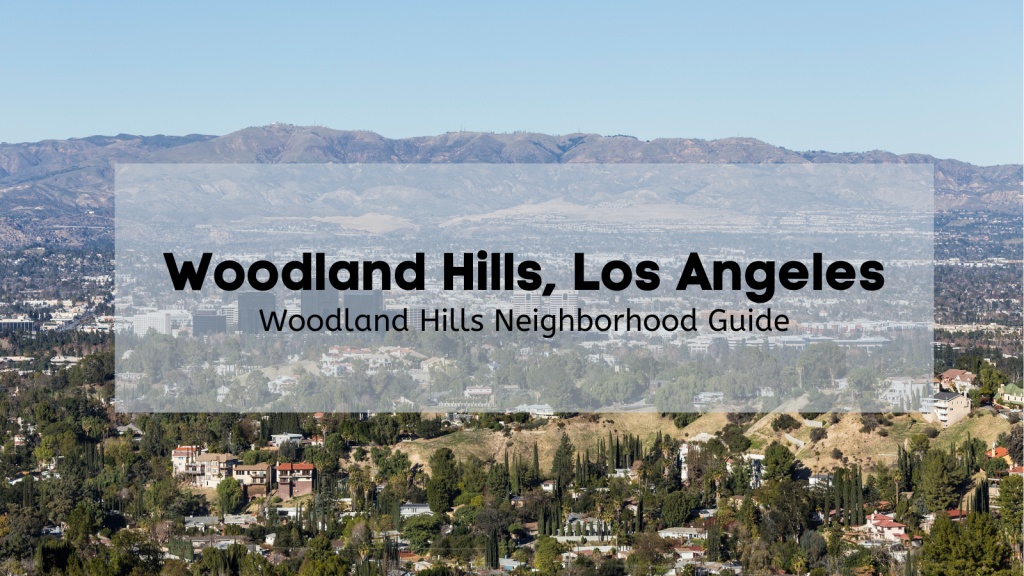
STR Regulations for Woodland Hills, California
Overview: Short-Term Rental Regulations in Woodland Hills, CA
Short-term rentals (STRs) are explicitly allowed in Woodland Hills, CA. Woodland Hills is a neighborhood within the boundaries of the City of Los Angeles. Therefore, the rules and regulations governing short-term rentals in Woodland Hills are the same as those for the entire City of Los Angeles, as outlined in the Los Angeles Municipal Code (LAMC). The primary law for short-term rentals in Los Angeles is often referred to as the "Home-Sharing Ordinance." Airbnb's own guidance confirms this, directing hosts to refer to the Los Angeles, CA regulations.
Key Takeaway for Investors: You are not subject to a separate Woodland Hills ordinance. Your compliance requirements, permits, and taxes are governed by the City of Los Angeles.
How to Start a Short-Term Rental Business in Woodland Hills
Following the Home-Sharing Ordinance, the process to legally operate an STR in Woodland Hills involves several key steps. This is a discretionary action, and it is crucial to understand the process is not guaranteed.
-
Assess Your Eligibility and Zoning: This is the foundational step. Under LAMC Section 12.22 A 29, home-sharing (STR) is permitted in all residential zones, subject to specific restrictions. It is prohibited in the R1, RD, R2, and RS zones for "non-hosted" rentals (where the owner is not present). This means in single-family or small multi-family zones, you must reside on the property during the guest's stay. In higher-density zones, "non-hosted" rentals are allowed.
-
Obtain a Home-Sharing Registration (Permit): You must register with the Los Angeles Housing Department (LAHD) and obtain a Home-Sharing Registration number. This registration is mandatory before listing your property on any platform like Airbnb or VRBO.
-
Designate a Local Contact Person: You are required to provide the name and contact information of a person who resides in Los Angeles County and is responsible for addressing any neighborhood disturbances or property maintenance issues within 24 hours.
-
Collect and Remit the Transient Occupancy Tax (TOT): As of the provided information, Los Angeles charges a 14% TOT on short-term rental bookings. You are responsible for collecting this tax from your guests and remitting it to the city on a monthly basis.
-
Comply with Operational Rules: Ensure your rental adheres to all the specific rules of the Home-Sharing Ordinance, including the 120-day limit and safety requirements (detectors, extinguishers, etc.).
Required Documents, Permits, Licenses, and Guidelines
To operate a legal STR in Woodland Hills, you will need the following:
- Home-Sharing Registration (Permit): Obtained from the Los Angeles Housing Department (LAHD). This is the primary legal document authorizing your operation. The registration must be renewed annually.
- Business License: The City of Los Angeles requires a Business Tax Registration Certificate (BTRC) for most businesses, including STRs. This is separate from your Home-Sharing Registration. Information for this is managed by the Los Angeles City Clerk's office.
- Transient Occupancy Tax (TOT) Registration: You must register with the Office of Finance to collect and remit the 14% TOT.
- Local Contact Information: Documentation showing the designated local contact person who will be responsible for the property.
- Proof of Insurance: While not explicitly mandated by the city in the permit application, it is highly advisable for investors to have comprehensive liability insurance. Third-party platforms like Airbnb provide some host liability coverage, but it may not be sufficient.
- Compliance with Safety Guidelines: The Los Angeles Fire Department (LAFD) and the Housing Department have specific safety guidelines that must be met, including the installation and maintenance of smoke detectors and carbon monoxide alarms.
Specific Regulations for Short-Term Rentals (City of Los Angeles)
The Home-Sharing Ordinance (LAMC Section 12.22 A 29) contains the core regulations. Key restrictions include:
- 120-Day Limit: Non-hosted home-sharing rentals are limited to a maximum of 120 days per calendar year.
- Extended Home-Sharing Permit: To rent beyond 120 days, a host may apply for an Extended Home-Sharing Permit after being in good standing for at least six months.
- Hosted vs. Non-Hosted: The rules differ significantly. "Hosted" rentals (where the owner is present) have fewer restrictions. "Non-hosted" rentals (common for investment properties) must comply with the 120-day limit and specific zoning restrictions (e.g., not allowed in R1, RD, R2, and RS zones).
- Multi-Unit Restrictions: STRs are restricted in multi-unit buildings. In most cases, the entire building must be registered as a single short-term rental, and the number of units that can be used for STR is limited.
- Listing on Platforms: It is illegal to list an unregistered unit for short-term rental on any platform.
- Notice and Hearing: The city can impose conditions of approval on a registration after a public hearing. Neighbors can submit complaints that may trigger enforcement actions.
- Transient Occupancy Tax (TOT): A 14% tax is levied on the total rental amount.
Contact Information for Local Authority
For questions, applications, and enforcement of the Home-Sharing Ordinance in Woodland Hills, contact the City of Los Angeles directly.
- Los Angeles Housing Department (LAHD) - Home-Sharing Program:
- Phone: (866) 557-7368
- Email: housing@lacity.org
- Website: housing.lacity.org
- Los Angeles City Clerk - Business Tax:
- Website: clerk.lacity.org
Source Links
The information in this guide is derived from the following sources:
- Airbnb Help Center - Woodland Hills, CA, USA: https://www.airbnb.ca/help/article/3618
- This source clarifies that Woodland Hills falls under Los Angeles rules.
- Los Angeles City Planning - Home-Sharing: https://planning.lacity.gov/project-review/home-sharing
- This is the official city page providing a summary of the program overview, registration requirements, and enforcement details.
- GoSummer Blog - Vacation Rental Management in Woodland Hills, California: https://www.gosummer.com/vacation-rental-management/woodland-hills-california
- This source confirms the application of Los Angeles's 120-day limit, registration requirement, and the 14% TOT rate, providing additional context on market dynamics.
What do Airbnb hosts actually earn in Woodland Hills?
Woodland Hills hosts earn a median $35,453/year with $218 ADR and 73% occupancy.
Top performers pull in $61,872+ per year.
See the full Woodland Hills market breakdownNext step
Found a property in Woodland Hills?
Paste any address and get estimated revenue, cash-on-cash return, and comparable STR performance in under 5 minutes. 3 free analyses per day.
Free brief
Get the free Woodland Hills STR Investment Brief
Revenue data, top neighborhoods, seasonal trends, and the key regulations for Woodland Hills, California in one email.
Woodland Hills
Market Saturation Score
Photos of Woodland Hills


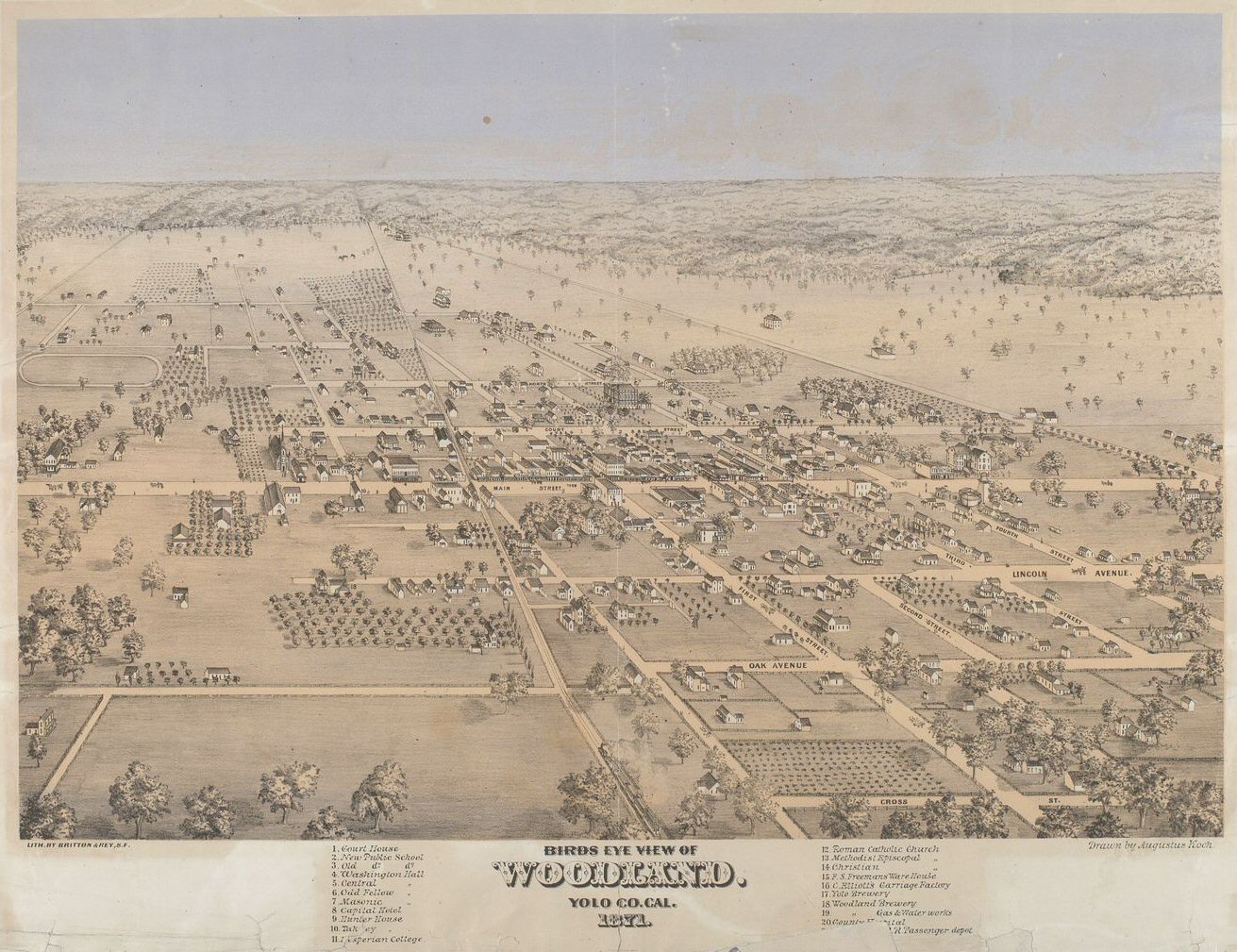
Overview of Woodland Hills
Woodland is a small city in Yolo County, California, serving as the county seat with a population of roughly 60,000 residents. Set in the heart of the Sacramento Valley, the city carries the relaxed character of a working agricultural community blended with a surprisingly well-preserved Victorian-era downtown. Woodland is best known as a hub for Yolo County's farming and wine country, and it functions as a quieter, more affordable gateway to the Sacramento region. The city sits approximately 15 miles northwest of Sacramento, easily reached by a short drive down Interstate 5, and lies just south of the Dunnigan Hills wine region and west of the university town of Davis.
The historic downtown district is one of Woodland's most distinctive assets, with more than 70 buildings listed on the National Register of Historic Places, including the restored State Theatre, several Italianate and Victorian commercial blocks, and a charming central plaza. Film crews have long favored the area for period productions, and visitors can wander the same streets used in shoots over the decades. A short drive brings guests to the Yolo County Historical Museum, located in the restored Gibson House, where exhibits chronicle the region's transition from a former railroad hub to a center of agriculture, including the area's early grain, tomato, and almond industries.
A short drive west of Woodland, the Cache Creek Casino Resort in the small community of Brooks draws visitors with gaming, dining, and entertainment, and serves as a regional draw for travelers passing through the Capay Valley. The drive itself winds through rolling ranchland and oak-studded hills that feel a world away from the Sacramento suburbs. Nearby, the Sacramento National Wildlife Refuge, located about 20 miles north of Woodland, offers auto-loop viewing of seasonal wetlands that host enormous flocks of migratory waterfowl each winter, making it a popular stop for birders and families.
To the south, the college town of Davis is just a 15-minute drive, home to UC Davis and a lively downtown filled with bookstores, cafés, and the celebrated Davis Farmers Market. Sacramento itself is a quick trip southeast, offering the California State Capitol, Old Sacramento, the Crocker Art Museum, and professional sports, all within roughly half an hour of Woodland.
Woodland makes a compelling base for short-term rentals because it pairs small-city affordability and a walkable historic core with convenient access to the wine country, wildlife refuges, casino resorts, university events, and the cultural and governmental attractions of the state capital. Visitors get a quieter, more authentic Northern California experience while remaining within an easy drive of some of the region's most popular destinations.
Want to know if a property in Woodland Hills is a good investment?
Enter an address to get instant revenue potential and comps.