
Pebble Beach, California
Want to see how Pebble Beach compares to other top cities in California? Explore all city regulations in California. →
Pebble Beach, CA
Challenging To Investors

STR Regulations for Pebble Beach, California
Overview (Explicit Answer)
Are short-term rentals allowed in Pebble Beach, CA? Yes, short-term rentals (STRs) are allowed but are heavily restricted. Pebble Beach is an unincorporated coastal area of Monterey County and is subject to the county’s new vacation rental ordinance that caps and limits STRs in the coastal zone. Unhosted, commercial-style STRs remain possible in Pebble Beach but only within a strict 4% cap of local housing stock; properties without a commercial permit are limited to three rentals per year; and hosted stays (homestays) are treated differently. Some coastal subareas—Big Sur and Carmel Highlands—are effectively closed to new commercial STRs under the policy.
What do Airbnb hosts actually earn in Pebble Beach?
Pebble Beach hosts earn a median $107,702/year with $808 ADR and 60% occupancy.
Top performers pull in $187,481+ per year.
See the full Pebble Beach market breakdownLegal Status & Allowed STR Types in Pebble Beach
Pebble Beach is in unincorporated Monterey County, within the California Coastal Zone. Monterey County’s recent ordinance establishes a tiered framework that distinguishes hosted from unhosted rentals and limits unhosted activity through caps and frequency thresholds.
- Hosted rentals (homestays): Generally permitted. Hosting involves the owner or resident being present on site during guest stays, typically in a shared living arrangement.
- Unhosted, non-commercial limited rentals: Allowed with a cap—up to three rentals per calendar year without a commercial vacation rental permit. This category is not a sustainable business model for full-time STR operations but can fit occasional personal-use income.
- Unhosted, commercial vacation rentals: Subject to a countywide coastal-zone cap of 4% of single-family housing stock. Practically, this means a finite pool of available commercial STR permits. Pebble Beach properties compete for this limited allowance. The county requires a new permit and imposes a $965 application fee. This category is likely unavailable in certain coastal subareas (e.g., Big Sur, Carmel Highlands), which are slated for bans or stringent phase-outs of commercial STRs.
From a business viability standpoint, the cap and frequency limits mean many Pebble Beach investors pivoting from high-volume STR use to long-term rental models.
How to Start a Short-Term Rental Business in This Market
The county’s rules make entering the STR market challenging but not impossible. A disciplined approach improves your odds of compliance and profitability.
Step-by-step outline:
- Confirm coastal-zone status and zoning
- Validate that your property is in Pebble Beach and within the county’s coastal zone. This dictates applicability of the 4% cap and subarea restrictions.
- Determine your viable STR path
- Hosted homestay: Requires on-site hosting; typically fewer regulatory burdens than unhosted operations.
- Limited vacation rental: Only up to three rentals per year; non-commercial. This is not a scalable STR strategy.
- Commercial vacation rental: Your unit must fall within the county’s allocation of the 4% coastal cap; you must secure a permit and pay the application fee.
- Check permit availability and apply
- The county’s HCD Permit Center administers STR permits; obtain the current application and any required attachments. The stated application fee is $965.
- Prepare for compliance
- Plan to meet hosting, occupancy, parking, quiet hours, and safety standards as the county defines them for STRs.
- Consider the market shift
- Given the cap and frequency limits, many Pebble Beach investors have pivoted to premium long-term rentals. Align your business model accordingly.
Given the limited permit pool and high application cost, treat STRs in Pebble Beach as a constrained niche rather than a broadly scalable venture.
Required Documents, Permits, Licenses, and Guidelines
Monterey County’s STR framework hinges on whether your operation is hosted, limited, or commercial:
- Hosted Homestay
- Typically requires fewer formal approvals but still must meet health and safety standards. Confirm any county registration requirements before hosting.
- Limited Vacation Rental (non-commercial)
- Allowed up to three rentals per year; no commercial permit. Ensure you remain under the annual cap and keep records to demonstrate compliance.
- Commercial Vacation Rental
- Requires a county permit. The county has enacted a $965 application fee for commercial STR permits. Prepare site and safety documentation to meet county standards. Because permits are capped at 4% of the local housing stock, approval is not guaranteed and may require waiting lists.
Operational guidance
- Occupancy limits, parking, and noise control often appear in municipal STR ordinances; verify county specifics before listing.
- Safety and habitability standards commonly apply, including smoke/CO detection, egress, and emergency information. Confirm exact requirements with Monterey County HCD.
Note: The county’s detailed permit checklist, forms, and standards are hosted via the HCD Permit Center webpage.
Regulations: City (Unincorporated), County, and State
This section synthesizes current rules and known thresholds affecting STR operations in Pebble Beach, with state-level context where relevant.
City-Level (Unincorporated Pebble Beach)
- No incorporated city rules; Monterey County regulates STRs in unincorporated areas, including Pebble Beach.
- Hosted stays are typically allowed.
- Unhosted, non-commercial rentals: Up to three rentals per year.
- Unhosted, commercial rentals: Permits capped at 4% of the housing stock in the coastal zone. New permits require a $965 fee and compliance review.
County-Level (Monterey County)
- The ordinance limits and phases commercial STRs in the coastal zone and bans them in certain subareas (e.g., Big Sur, Carmel Highlands).
- Limited vacation rentals may operate up to three times annually without a commercial permit.
- Commercial STRs must obtain a county permit; a $965 application fee applies.
- Enforcement is handled through county code compliance processes.
State-Level (California)
- Statewide, local governments regulate STRs; there is no general statewide prohibition.
- State fire and safety codes apply to short-term lodging, including requirements for smoke and carbon monoxide alarms, safe egress, and occupancy limits. Confirm local codification of these standards with Monterey County.
Operational Requirements & Best Practices (As Practiced Regionally)
Given the county’s constraints and the likely need to pivot to long-term rentals, investors should prepare for:
- Tenant screening and compliance with California landlord-tenant laws.
- Fair housing, privacy, and anti-discrimination standards.
- Maintenance and habitability expectations suitable for long-term occupancy.
While not “STR-specific,” these practices protect value and ensure steady income in a market where unhosted commercial STRs face tight caps and subarea bans.
Enforcement, Penalties, and Compliance Risk
Violation of county STR rules can result in:
- Citation and fines.
- Permit denial, suspension, or revocation for commercial STRs.
- Orders to cease unhosted operations in excess of the three-rental annual limit.
Because permits are scarce and the enforcement posture is active, compliance diligence is essential. For properties unable to secure a commercial permit or stay within the three-rental limit, a transition to long-term tenancy mitigates enforcement and vacancy risk.
Contact Information
Monterey County Housing & Community Development (HCD) – Permit Center (STR Program)
- Phone: Not specified in source materials.
- Email: Not specified in source materials.
- Website: see “Source Links” below.
- Address/Office Hours: Not specified in source materials.
Monterey County Planning Services – Advance Planning (Vacation Rentals under development/ordinances)
- Phone: Not specified in source materials.
- Email: Not specified in source materials.
- Website: see “Source Links” below.
- Address/Office Hours: Not specified in source materials.
For current application forms, checklists, and office contact details, use the source webpages listed below.
Source Links (Important)
- Monterey County HCD – Short-Term Rentals (Permit Center): www.countyofmonterey.gov/government/departments-a-h/housing-community-development/permit-center/short-term-rentals
- KSBW – Monterey County passes ordinances for vacation rentals: www.ksbw.com/article/monterey-county-passes-ordinances-vacation-rental/68025035
- Monterey County Planning Services – Ordinances & Plans Under Development (Vacation Rentals): www.countyofmonterey.gov/government/departments-a-h/housing-community-development/planning-services/advance-planning/ordinances-plans-under-development/vacation-rentals
- Coast & Valley Property Management – From Weekend Rentals to Full-Time Tenants: Navigating Monterey’s STR Crackdown: coastandvalleypm.com/from-weekend-rentals-to-full-time-tenants-navigating-montereys-str-crackdown/
Notes:
- Permit applications, required attachments, and any detailed operational standards are posted on the county’s HCD Permit Center page.
- Because unhosted commercial STRs in Pebble Beach are subject to a tight 4% cap and $965 fee—and certain coastal subareas are banned—many investors are rebalancing toward premium long-term rentals for predictable cash flow.
Next step
Found a property in Pebble Beach?
Paste any address and get estimated revenue, cash-on-cash return, and comparable STR performance in under 5 minutes. 3 free analyses per day.
Free brief
Get the free Pebble Beach STR Investment Brief
Revenue data, top neighborhoods, seasonal trends, and the key regulations for Pebble Beach, California in one email.
Pebble Beach
Market Saturation Score
Photos of Pebble Beach

Overview of Pebble Beach
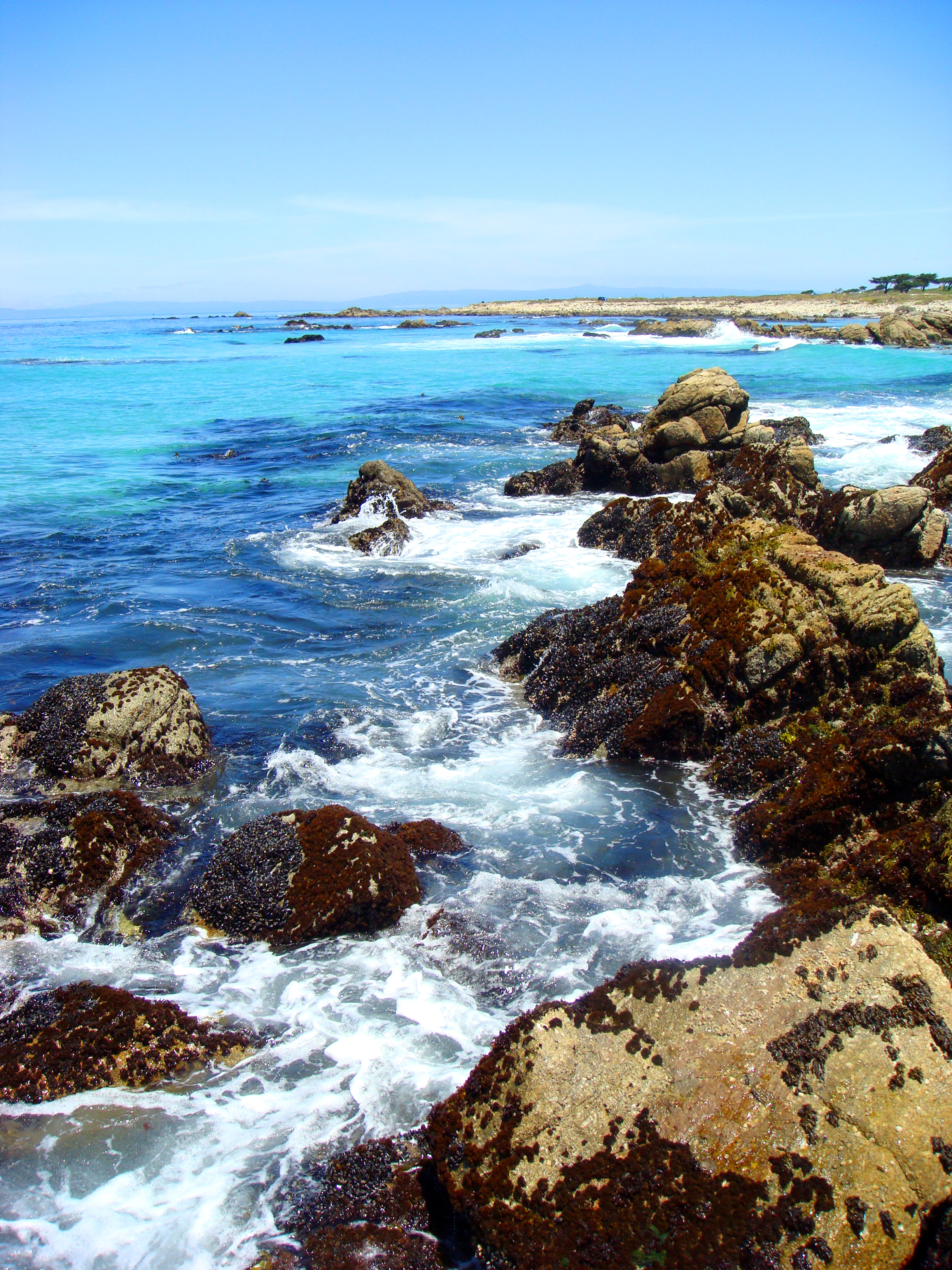
Pebble Beach is an unincorporated coastal community in Monterey County, California, situated on the western edge of the Monterey Peninsula between Carmel-by-the-Sea to the south and Pacific Grove to the east. With a small resident population of roughly 4,000 to 5,000, the community has a quietly luxurious, low-density character defined by its forested residential enclaves, dramatic coastal bluffs, and the iconic cypress groves that have made its shoreline famous around the world. Pebble Beach is best known as one of America's most celebrated golf destinations and as the gateway to the famed 17-Mile Drive, and it lies roughly 110 miles south of San Francisco and about 90 miles south of San Jose, both reached via scenic drives along the Pacific Coast Highway or US-101.
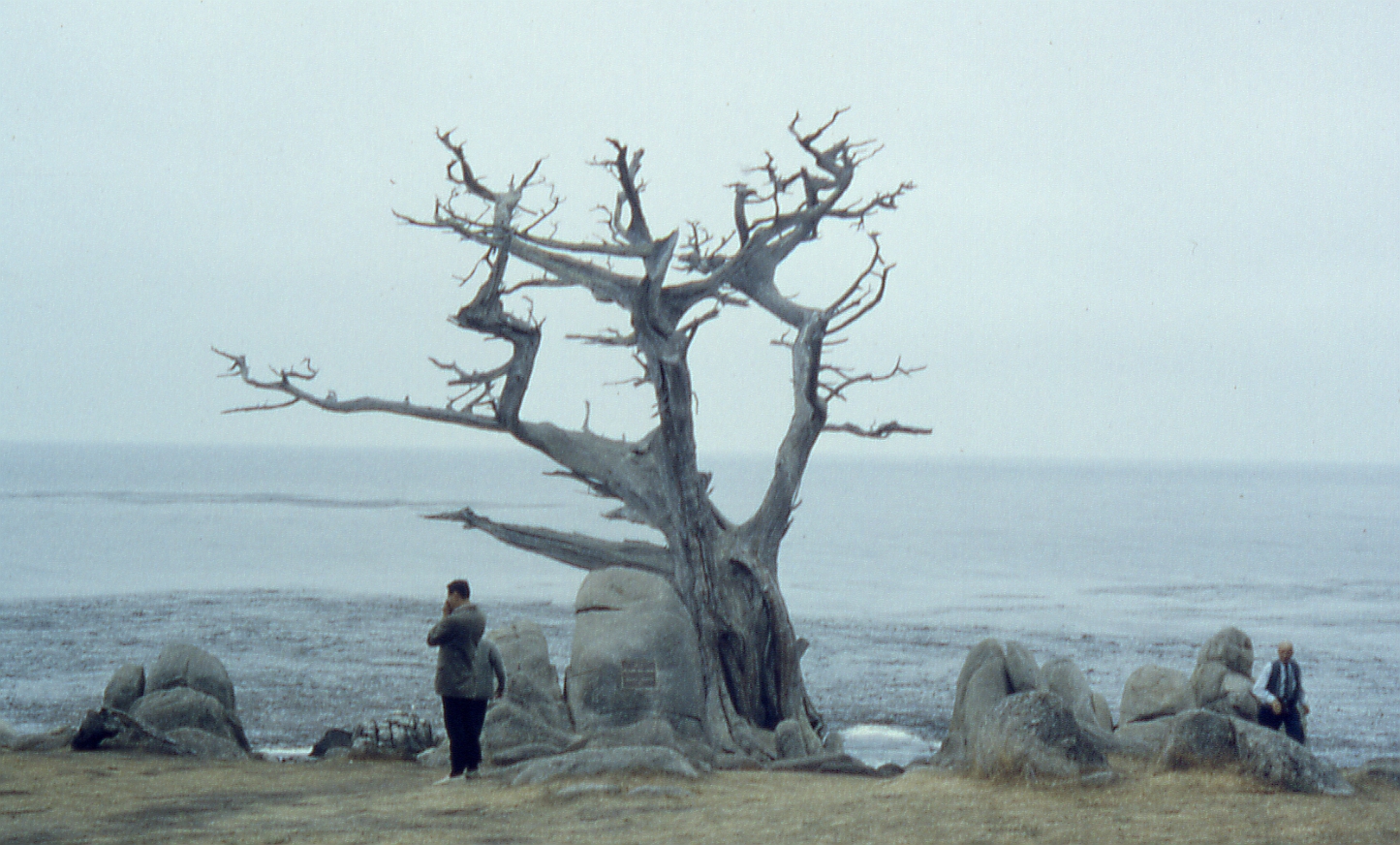
The community's marquee attraction is Pebble Beach Golf Links, the legendary oceanside course that has hosted multiple U.S. Opens and annual PGA Tour events. Visitors flock here for the cliffside holes overlooking Carmel Bay, and the clubhouse is within the heart of Pebble Beach itself, making it a focal point for nearly every visit to the area. Adjacent to the course is the 17-Mile Drive, the scenic toll road that loops through Pebble Beach's forested neighborhoods and along the rugged coastline, passing landmarks such as the Lone Cypress, Fanshell Beach, and several renowned golf courses including Spyglass Hill and Cypress Point. The drive is roughly a few miles from end to end and can be completed in about an hour, with stops for overlooks, wildlife viewing, and short walks to secluded coves.
Just south of Pebble Beach lies Carmel-by-the-Sea, a storybook village of fairy-tale cottages, white-sand beach, art galleries, and wine-tasting rooms, reachable in only about five minutes by car. A short drive east brings visitors to the city of Monterey and the renowned Monterey Bay Aquarium on Cannery Row, where exhibits showcase the marine life of the bay, including sea otters, sharks, and jellyfish. To the immediate south of Pebble Beach, Point Lobos State Natural Reserve offers some of California's most spectacular headland hiking, with trails winding past coves, sea lion colonies, and offshore kelp forests, all within about ten minutes of the residential core. Further afield, the dramatic cliffs and redwood valleys of Big Sur begin roughly thirty minutes to the south along Highway 1, opening up possibilities for day trips to Bixby Bridge, McWay Falls, and Pfeiffer Big Sur State Park.
Pebble Beach's combination of natural beauty, world-class amenities, and proximity to a cluster of beloved Monterey Peninsula destinations makes it a compelling base for short-term rentals. Guests are drawn year-round by major golf tournaments, the annual Concours d'Elegance, mild coastal weather, and the chance to pair a stay with trips to Carmel, Monterey, and Big Sur. The community's cachet, limited lodging supply, and consistent flow of affluent visitors give the area a strong foundation for owners seeking well-positioned vacation rental properties.
Want to know if a property in Pebble Beach is a good investment?
Enter an address to get instant revenue potential and comps.