
Lower Lake, California
Want to see how Lower Lake compares to other top cities in California? Explore all city regulations in California. →
Lower Lake, CA
Generally Investor Friendly
STR Regulations for Lower Lake, California
Overview: Are STRs Allowed in Lower Lake, CA?
Lower Lake is an unincorporated community within Lake County, California. There are no city-specific short-term rental (STR) regulations for Lower Lake; all STR operations are governed at the county and state levels. Under California law, short-term rentals are permitted subject to state-level tax obligations and Lake County licensing and compliance rules. Investors must confirm zoning and any applicable county permitting before listing.
What do Airbnb hosts actually earn in Lower Lake?
Lower Lake hosts earn a median $21,767/year with $220 ADR and 32% occupancy.
Top performers pull in $21,767+ per year.
See the full Lower Lake market breakdownHow to Start a Short-Term Rental Business in Lower Lake, CA
- Confirm zoning and land use:
- Contact Lake County Planning to verify your property is in a zone that allows transient lodging. Avoid properties with deed restrictions, HOA bans, or condo-bylaws that prohibit STRs.
- Register your business:
- Obtain a Lake County Business License and a Transient Occupancy Tax (TOT) certificate. Many jurisdictions in California collect TOT through online portals; confirm the local process and certificate number assignment.
- Safety and inspections:
- Prepare the unit to meet California health and safety standards (smoke/CO detectors, fire extinguisher, safe egress). Some counties conduct safety inspections; confirm Lake County’s inspection requirements and frequency.
- Post-licensing compliance:
- Post your business license and TOT certificate number inside the unit. Include the certificate number in all advertisements on platforms like Airbnb and Vrbo.
- Insurance:
- Carry STR-specific insurance with property damage, liability, and loss-of-rental income coverage. Standard homeowners policies typically exclude commercial hosting risks.
- Marketing and guest management:
- Publish a Good Neighbor Policy covering quiet hours, occupancy limits, parking, trash, and noise. Maintain a 24/7 local contact for guest issues.
- Tax and reporting:
- Collect and remit TOT monthly or as required by the county. Maintain records for at least three years.
- Annual renewals and audits:
- Renew your county business license and any STR permits annually. Be prepared for code enforcement inspections or audits.
Required Documents, Permits, Licenses, and Guidelines
- Business registration:
- Lake County Business License application (owner or agent information, property address, contact details).
- Transient Occupancy Tax (TOT) certificate:
- TOT registration and certificate number; verify collection/remittance procedures and any online portal access.
- Safety documentation:
- Proof of installed smoke detectors, carbon monoxide alarms, and a fire extinguisher; documentation of any required safety inspection (frequency varies by jurisdiction).
- Identification and ownership:
- Government-issued ID, proof of property ownership or authorization from the owner.
- Zoning verification:
- Zoning confirmation from Lake County Planning; site plan if requested (parking, occupancy, trash).
- Insurance:
- Proof of STR liability coverage (policy declaration page).
- Advertising content:
- Interior posting of license/TOT number and Good Neighbor Policy; include TOT and license number in all ads.
- Recordkeeping:
- Guest logs, rental income and expense records, TOT reports and remittances (minimum three years recommended).
Note: California does not require a state-level STR permit; licensing and permitting are handled at the county level. Lake County requires a business license and TOT registration. Some California jurisdictions mandate periodic fire-life safety inspections; confirm Lake County’s current inspection cycle.
Specific Regulations: Lower Lake (Lake County), County-level, and State-level
- State-level (California):
- Definition: A short-term rental is a residential dwelling (or portion) rented for 30 consecutive days or less. Hotels, motels, bed-and-breakfasts, and timeshares are excluded from STR definitions.
- Taxes: Hosts must collect and remit TOT. In many markets, the combined TOT rate ranges approximately 10%–15% of gross receipts. Airbnb/Vrbo sometimes collect TOT on behalf of hosts; verify local rules.
- Health and safety: Basic safety devices and compliance with fire and building codes apply. Local quiet hours, occupancy limits, and Good Neighbor Policies are common.
- Business registration: Most California counties expect STR operators to register as a business and obtain necessary licenses.
- Lake County-level rules:
- Licensing: A county Business License is required. TOT registration and certificate issuance are mandatory. Check the county website or contact the County Administrative Office for the current application process and renewal schedule.
- Safety inspections: If Lake County requires safety inspections (as many California counties do), they are typically annual or periodic. Confirm current requirements directly with county authorities.
- Local contact and posting: Maintain a local contact and post license/TOT numbers inside the unit; include numbers in advertising.
- Enforcement: Violations may lead to fines, license suspension, or revocation. Several California counties also enforce anti-nuisance and anti-party measures.
- City-level:
- Lower Lake is not a city; there are no city-specific STR regulations. All rules are county and state level.
- North Lake Tahoe example for context:
- Placer County, which includes parts of North Lake Tahoe, requires STR unit permits, caps permits at 3,900 (owner-occupied properties are exempt from the cap), and sets quiet hours at 10 p.m.–7 a.m. Hosts must designate a local contact and comply with occupancy, parking, and trash standards. The North Lake Tahoe TOT rate is 10%. This is illustrative; confirm rules for Lake County directly.
- Reference: Placer County STR ordinance (via county news release).
- Placer County, which includes parts of North Lake Tahoe, requires STR unit permits, caps permits at 3,900 (owner-occupied properties are exempt from the cap), and sets quiet hours at 10 p.m.–7 a.m. Hosts must designate a local contact and comply with occupancy, parking, and trash standards. The North Lake Tahoe TOT rate is 10%. This is illustrative; confirm rules for Lake County directly.
Contact Information (Lake County STR Authority)
- County Administrative Office (general licensing and tax inquiries):
- Phone: 707-263-2361
- Website: www.lakecountyca.gov
- Planning Department (zoning and land use verification):
- Phone: 707-263-2221
- Website: www.lakecountyca.gov/Government/Departments/Planning.aspx
- Revenue Services/Tax Collector (TOT and business license payments):
- Phone: 707-263-2313
- Website: www.lakecountyca.gov/Government/Departments/Revenue_Services.aspx
Notes: The specific TOT rate and any online portal links for Lake County should be verified on the county website or by calling the revenue/tax authority. If Lake County contracts with a third-party platform for TOT collections or business licenses, the county site will provide the portal URL and registration details.
Links to Source Pages
- Lake County Government: www.lakecountyca.gov
- Lake County Planning Department: www.lakecountyca.gov/Government/Departments/Planning.aspx
- Lake County Revenue Services: www.lakecountyca.gov/Government/Departments/Revenue_Services.aspx
- Placer County STR rules (illustrative North Lake Tahoe example): www.placer.ca.gov/6236/Placer-approves-vacation-rental-rules
- California state definition of STRs (GoSummer overview): www.gosummer.com/post/california-short-term-rental-laws
Practical Guidance for Lower Lake STRs
- Always verify zoning first. Even if a property is residential, local covenants, HOA bylaws, or condo rules may prohibit STRs.
- Maintain a compliant guest experience: occupancy limits, quiet hours, parking constraints, trash/recycling rules, and immediate response to complaints.
- Keep meticulous records: TOT remittances, guest logs, insurance policies, safety inspection reports, and license renewals. California jurisdictions commonly require multi-year record retention.
- Expect evolving enforcement. Several California counties are tightening rules around nuisance activities, party houses, and cap growth through permitting systems.
- Tax planning: STR income is taxable at federal, state, and local levels. Deductions commonly include depreciation, property taxes, mortgage interest, insurance, furniture, utilities, cleaning, management fees, marketing, and professional services. Consult a tax professional.
Bottom Line
- STRs are allowed in Lower Lake, CA under California law, but they must comply with Lake County business licensing, TOT registration, and any county safety/inspection requirements. Because Lower Lake is unincorporated, city-level rules do not apply; county-level compliance is the primary framework.
Next step
Found a property in Lower Lake?
Paste any address and get estimated revenue, cash-on-cash return, and comparable STR performance in under 5 minutes. 3 free analyses per day.
Free brief
Get the free Lower Lake STR Investment Brief
Revenue data, top neighborhoods, seasonal trends, and the key regulations for Lower Lake, California in one email.
Lower Lake
Market Saturation Score
Photos of Lower Lake
Overview of Lower Lake
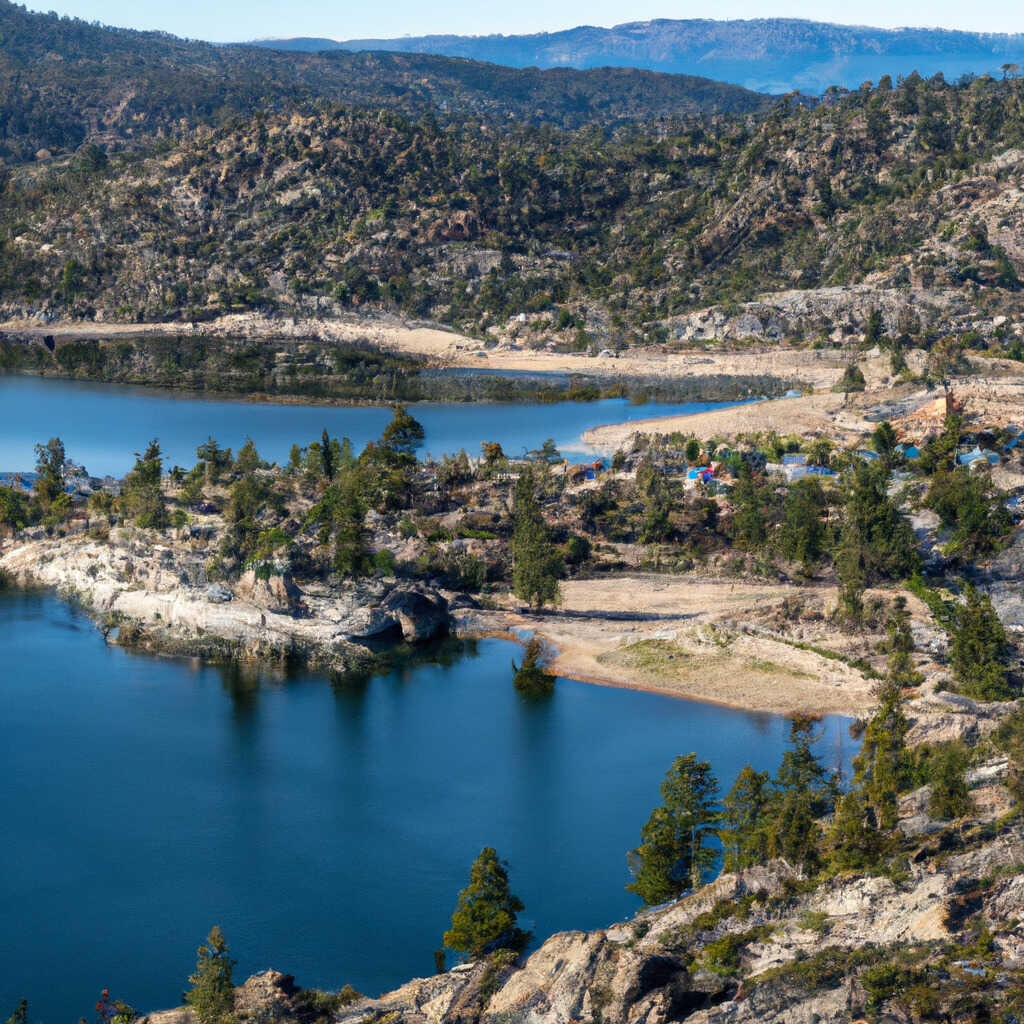
Lower Lake is a small unincorporated community in Lake County, in northern California, situated on the southwestern shore of Clear Lake. With a population of approximately 1,200 residents, it carries a relaxed, rural character that has long drawn visitors seeking a quieter alternative to the more crowded destinations of the San Francisco Bay Area. The community serves as a gateway to Clear Lake, the largest natural freshwater lake entirely within California, and it sits roughly 110 miles north of San Francisco, or about a two-and-a-half-hour drive depending on traffic. Its historic Main Street, anchored by a handful of well-preserved 19th-century buildings and the small but distinctive Lower Lake Stone Jail, gives the area an unforced small-town feel that appeals to travelers looking for authenticity rather than manufactured resort experiences.
Clear Lake itself is the central draw of the region, offering nearly 70 square miles of open water for boating, fishing, swimming, and birdwatching. The lake is famous for its bass fishing and supports a robust population of Western grebes and other waterfowl, and its irregular shoreline, dotted with tule reeds and small inlets, gives it a wild, undammed character that distinguishes it from many other California waterways. Visitors staying in Lower Lake are typically only a few minutes from public launches and lakeside parks, making it easy to spend full days on the water before returning to the small downtown for dinner.
Just a short drive north of town, Anderson Marsh State Historic Park preserves a stretch of freshwater marsh, oak woodlands, and a historic ranch house that visitors can tour on weekends. The park offers roughly six miles of trails that wind through wetlands alive with herons, egrets, and seasonal waterfowl, while the historic ranch complex provides a glimpse into nineteenth-century life in the Clear Lake basin. Its proximity to Lower Lake makes it a popular morning or evening stop for guests interested in both natural beauty and local history.
A short drive to the north brings visitors to Lakeport, the Lake County seat, which sits on the western shore of Clear Lake and features a walkable historic downtown and a waterfront park. The surrounding region is also known for its many wineries and tasting rooms scattered across the rolling hills, as well as Mount Konocti, the dormant volcanic peak that rises dramatically above the lake's southern shore and offers hiking and panoramic views from designated trails.
Lower Lake makes a compelling base for short-term rentals precisely because of its central position within the Clear Lake region. Guests can return each evening to a quiet, historic small town while remaining within easy reach of fishing, hiking, wine tasting, and water recreation. Its affordability, proximity to natural attractions, and sense of being a step removed from California's more heavily trafficked tourist corridors give it an appeal that tends to resonate with travelers seeking a slower, more grounded Northern California experience.
Want to know if a property in Lower Lake is a good investment?
Enter an address to get instant revenue potential and comps.