
La Mesa, California
Want to see how La Mesa compares to other top cities in California? Explore all city regulations in California. →
La Mesa, CA
Challenging To Investors
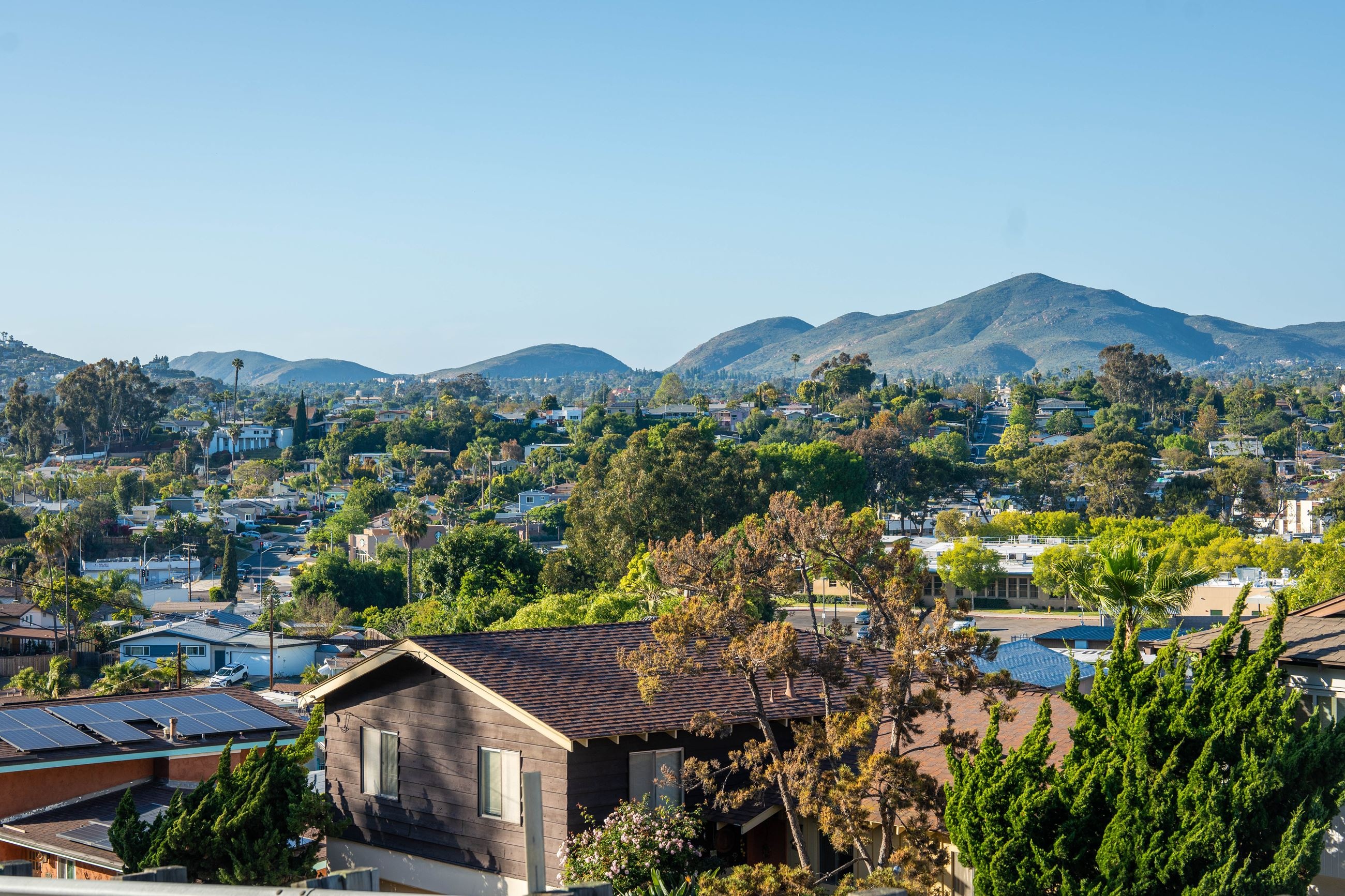
STR Regulations for La Mesa, California
Executive Overview: STR Status in La Mesa, CA
Short-term rentals are allowed in La Mesa, California, but operate in a regulatory gray area. While the City of La Mesa does not expressly prohibit short-term rentals and has confirmed they are not subject to the city's Transient Occupancy Tax (TOT), there are no explicit permitting or regulatory frameworks established for this use. This creates both opportunities and risks for investors.
Key Takeaway: La Mesa currently has no formal STR ordinance, no licensing requirements, and no TOT obligations for short-term rentals. However, this lack of regulation should be approached with caution, as rules could be implemented at any time.
What do Airbnb hosts actually earn in La Mesa?
La Mesa hosts earn a median $42,470/year with $203 ADR and 75% occupancy.
Top performers pull in $75,301+ per year.
See the full La Mesa market breakdownHow to Start a Short-Term Rental Business in La Mesa
Step 1: Property Selection and Zoning Compliance
- Verify zoning allowances: Ensure your property is in a zone that permits residential rentals
- Review homeowner association (HOA) rules: Check for any restrictions on short-term rentals
- Confirm insurance coverage: Standard homeowners insurance may not cover STR activities
- Obtain proper insurance: Consider STR-specific liability and property damage coverage
Step 2: Business Setup (No City Requirements Currently)
- No business license required: The city has explicitly confirmed this
- No TOT registration required: Short-term rentals are exempt from La Mesa's TOT
- State tax obligations: Register for California state tax if required
Step 3: Property Preparation
- Safety compliance: Install smoke detectors, carbon monoxide detectors, and fire extinguishers
- Local building codes: Ensure compliance with all applicable building and safety codes
- Accessibility considerations: Review ADA requirements if applicable
Step 4: Marketing and Operations
- Platform listings: List on Airbnb, VRBO, Booking.com, etc.
- Local marketing: Consider local directories and word-of-mouth
- Property management: Decide between self-management or hiring a management company
Required Documents, Permits, Licenses, and Guidelines
Currently Required (City Level)
- None: La Mesa has no formal STR permitting process
- No TOT certificate: Explicitly not required for short-term rentals
- No business license: City has confirmed this exemption
Recommended (Best Practices)
- Property insurance: STR-specific coverage ($1M+ liability recommended)
- Guest screening criteria: Establish and document screening processes
- House rules: Clear written rules for guests
- Emergency contact information: Posted in property
- Local emergency procedures: Evacuation plans, emergency numbers
Potential Future Requirements
- Monitor city council meetings: Stay informed about potential STR regulations
- County registration: San Diego County may implement requirements
- State compliance: Monitor AB 61 and other state-level STR legislation
Specific Regulations: City, County, and State Level
La Mesa City Regulations
Current Status: No specific STR regulations
- TOT Exemption: City explicitly states STRs are not subject to Transient Occupancy Tax
- Business License Exemption: No business license required for STRs
- Zoning: STRs are not specifically addressed in zoning ordinances
- ADU Restriction: ADUs (Accessory Dwelling Units) must rent for 30+ days minimum
San Diego County Regulations
Current Status: County-level regulations are unclear
- No county-wide STR ordinance identified
- Individual municipalities may have different rules
- Monitor county planning department for future regulations
California State Regulations
Key State Laws Affecting STRs:
- Assembly Bill 61 (2023): Requires platforms to report rental data to cities
- Assembly Bill 2619: Allows cities to collect STR data through platforms
- Coastal Commission rules: If property is in coastal zone (La Mesa is inland)
- Fire safety regulations: State fire code requirements apply
- ADA compliance: Accessibility requirements for public accommodations
Zoning Considerations
- Residential zones: Generally permit residential rentals
- Check specific zone: Verify allowed uses in your property's zone district
- HOA restrictions: May be more restrictive than city regulations
Contact Information and Resources
City of La Mesa
Primary Contact:
- Phone: (619) 463-6611
- Address: 8130 Allison Avenue, La Mesa, CA 91942
- Hours: Monday-Thursday 7:30 AM to 5:30 PM, Friday 7:30 AM to 4:30 PM
Business Licensing Division:
- Phone: (619) 667-1118
- Email: licensing@cityoflamesa.us
- Online: La Mesa Business License Portal
Planning Department:
- General inquiries: (619) 667-1150
- For zoning questions: Contact Planning Division
- Permit Center: Available for building-related questions
San Diego County
County Planning Department:
- Phone: (858) 694-2960
- Website: County Planning Portal
State Resources
California Department of Real Estate:
- Phone: (916) 263-8917
- Website: DRE Portal
California State Board of Equalization:
- For tax questions: 1-800-400-7115
- Website: BOE Portal
Key Source Documents and Links
Primary City Resources
- La Mesa Short-Term Rental Policy - City's official stance on STRs and TOT exemption
- Transient Occupancy Tax Information - TOT requirements and exemptions
- City Ordinances and Municipal Code - Official legal code
- La Mesa Business License Portal - Business licensing system
- City Council Agendas - Monitor for STR-related discussions
State Resources
- California State Legislature - Track STR-related legislation
- Department of Housing and Community Development - ADU and housing policy information
- California Building Standards Commission - Building code requirements
Regional Information
- San Diego County Planning Department - County-level regulations
- San Diego STR Regulations - Regional context and comparison
Important Warnings and Considerations
Regulatory Risk
- No protection: Absence of current regulations doesn't guarantee they won't be implemented
- Retroactive enforcement: Future regulations could apply to existing STRs
- Enforcement mechanisms: No current penalty structure, but this could change
Market Considerations
- Neighborhood acceptance: Consider local community attitudes toward STRs
- Competition: Monitor for STR saturation in your area
- Insurance availability: Some insurers may refuse STR coverage
Due Diligence Recommendations
- Legal consultation: Consider STR attorney consultation before investing
- Insurance review: Ensure adequate coverage and exclusions are understood
- HOA review: Verify no restrictions conflict with STR operations
- Zoning verification: Confirm STR use is permitted in your specific zone
- Market analysis: Evaluate STR demand in your specific La Mesa neighborhood
Conclusion
La Mesa currently offers a relatively unfettered environment for short-term rental operations, with no TOT obligations, no licensing requirements, and no explicit prohibitions. However, this regulatory vacuum presents both opportunity and risk. Investors should proceed with careful planning, robust insurance, and ongoing monitoring of city council activities for potential future regulations. The lack of current rules means there's no legal protection if regulations are suddenly implemented, making this a speculative but potentially profitable market for informed investors.
Next Steps for Investors:
- Conduct thorough property due diligence
- Secure appropriate insurance coverage
- Monitor city council meetings for regulatory developments
- Consider phased investment approach given regulatory uncertainty
- Build relationships with local officials and neighbors to understand community concerns
This guide represents the current regulatory landscape as of the most recent city communications. Given the rapidly evolving nature of STR regulations in California, investors should regularly verify current requirements with city officials before making investment decisions.
Next step
Found a property in La Mesa?
Paste any address and get estimated revenue, cash-on-cash return, and comparable STR performance in under 5 minutes. 3 free analyses per day.
Free brief
Get the free La Mesa STR Investment Brief
Revenue data, top neighborhoods, seasonal trends, and the key regulations for La Mesa, California in one email.
La Mesa
Market Saturation Score
Photos of La Mesa


Overview of La Mesa
La Mesa is a city in San Diego County in southern California, home to roughly 60,000 residents. Nicknamed the "Jewel of the Hills," it occupies a string of foothill neighborhoods east of San Diego proper, with a sun-baked, small-town feel that still carries quick access to the coast and the larger metro area. Locals prize its walkable downtown village, its tree-lined older streets, and the steady rhythm of community events that draw visitors from across the region. Because it sits just inland from downtown San Diego, about nine miles east, La Mesa functions as a quieter, more residential gateway to the beaches, the bayfront, and the broader San Diego attractions, while still being close enough for day-trippers to bounce back to a more relaxed base in the evenings.
A short drive west leads to the broader San Diego region, where visitors can spend entire days exploring the museums, gardens, and architecture of Balboa Park and the adjacent San Diego Zoo, roughly fifteen to twenty minutes away depending on traffic. The park's Spanish Colonial Revival buildings, planted courtyards, and concentration of cultural institutions make it one of the marquee destinations in Southern California, and pairing it with the zoo fills a full itinerary. Closer in, the coast at Ocean Beach and Pacific Beach is about twenty to twenty-five minutes away, offering classic Southern California beach days, sunset cliffs, and boardwalk energy.
For outdoor recreation without leaving the immediate area, [Lake Murray](en.wikipedia.org/wiki/Lake_Murray_(California) sits within the city limits, roughly a five-minute drive from the downtown village. The reservoir is encircled by a paved walking and biking path, with picnic areas and open water that attract joggers, casual strollers, and kayakers throughout the year. A short drive to the north brings visitors to Mount Helix, a small but prominent hilltop known for its outdoor amphitheater and the sweeping views it offers over the valleys toward downtown San Diego and the distant ocean on clear days.
Hikers tend to gravitate toward Cowles Mountain, the highest point within the city of San Diego and a popular four-mile round-trip climb located about ten minutes south of La Mesa. The trail draws a steady stream of visitors year-round, rewarding them with panoramic views of the coast, the mountains to the east, and the sprawling neighborhoods below.
For short-term rental owners, La Mesa offers a compelling balance: a residential, well-kept setting that feels distinct from the busier beach communities, paired with quick drives to San Diego's most visited destinations, foothill parks, and the broader East County's trails and small towns. The combination of accessibility, year-round mild weather, and proximity to major draws makes it a comfortable, flexible base for travelers who want a quieter home base without giving up access to the best of the region.
Want to know if a property in La Mesa is a good investment?
Enter an address to get instant revenue potential and comps.