
Dillon Beach, California
Want to see how Dillon Beach compares to other top cities in California? Explore all city regulations in California. →
Dillon Beach, CA
Challenging To Investors
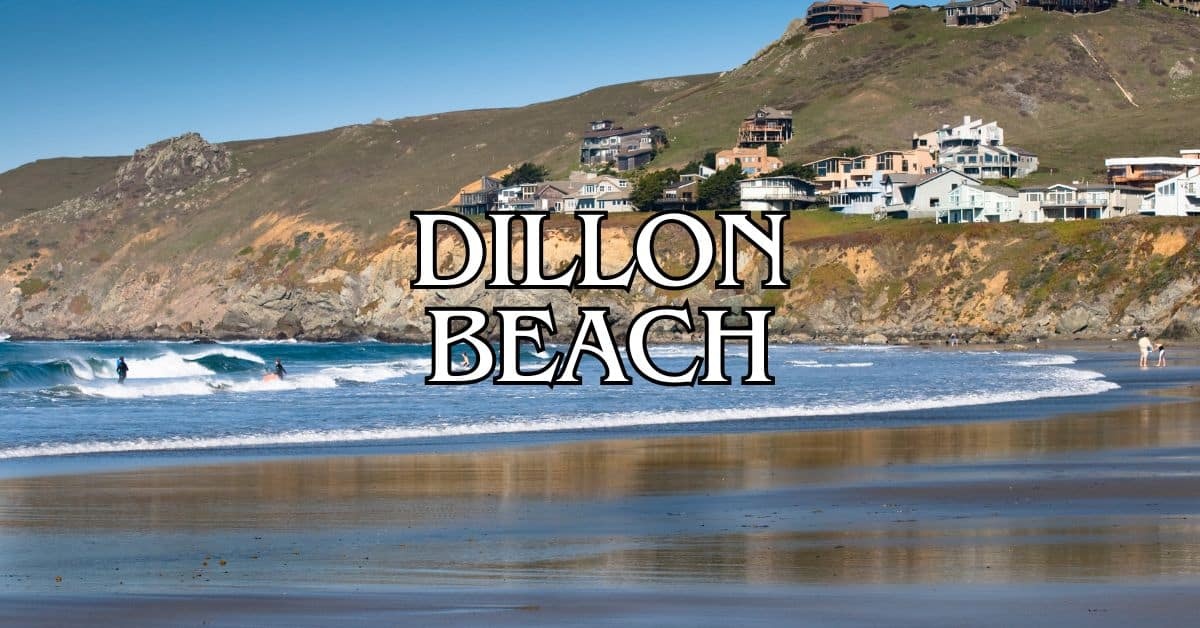
STR Regulations for Dillon Beach, California
Note: Dillon Beach is an unincorporated community in Marin County. There is no separate city-level short‑term rental (STR) code; county rules govern STRs here.
Overview: Are Short-Term Rentals Allowed?
Yes—short-term rentals are allowed in unincorporated Marin County, including Dillon Beach, subject to a newly implemented licensing and cap system. STRs are defined as leases of 30 days or fewer. Marin has transitioned from a prior business‑license framework to a new STR license under County Code Chapter 5.41, approved by the California Coastal Commission and implemented in 2025.
Countywide cap: 1,200 STR licenses in unincorporated Marin. Dillon Beach’s cap: 204 STRs (the highest allocation among the West Marin communities; Stinson Beach’s cap is 192). The rules draw a key distinction between Hosted STRs (owner resides on-site) and Unhosted STRs (no on-site host), with Unhosted units capped to preserve long‑term housing.
What this means to investors: Under the new regime, existing operators had to apply for a new STR license by July 1, 2025. New licenses will only be granted once planners confirm how many existing operators renew and what headroom remains under the cap. Dillon Beach has room to add STRs (about 29 units before reaching its cap), but allocation depends on available headroom and your place in any queue.
What do Airbnb hosts actually earn in Dillon Beach?
Dillon Beach hosts earn a median $79,068/year with $503 ADR and 50% occupancy.
Top performers pull in $117,609+ per year.
See the full Dillon Beach market breakdownHow to Start a Short-Term Rental Business in This Market
- Confirm eligibility and headroom: Check whether your target community (Dillon Beach or another West Marin village) has capacity under its community cap. With the cap near saturation across West Marin, many communities will be waitlisted until turnover or non‑renewals create headroom.
- Determine your model:
- Hosted STR (owner lives on-site during guest stays) vs. Unhosted STR.
- Primary residence vs. non‑primary residence: Owners living on-site at least six months/year pay a $300 license fee; non‑primary residences pay $600.
- Prepare required documentation early (see Required Documents). Many items have 12‑month recertification cycles (e.g., water potability testing, septic inspection). Build these into your pre‑opening timeline.
- Apply for the STR license:
- Application window is open; processing starts after July 1, 2025 for renewals and new applications. No new licenses are granted until planners know how many existing operators renew.
- New applicants who submitted by Dec. 31, 2024 were entered into a lottery to set waiting‑list order. If you missed that, monitor county announcements for future lotteries or waitlist cycles.
- Once approved, display your STR license number in all listings and advertisements.
- Operating compliance:
- Host/designated contact availability: Identify a local contact person who can respond within a reasonable time to issues.
- Tax collection and remittance: Obtain a Transient Occupancy Tax (TOT) certificate and file returns. If you list on Airbnb/Vrbo in unincorporated Marin, those platforms generally collect TOT for you; confirm your setup and reporting.
- Ongoing obligations: Water usage monitoring and reductions if >250 gallons/day; trash/recycling/organics service; safety self‑certifications; septic and well compliance; parking requirements as determined by Public Works; timely license renewal and response to any code violations.
Required Documents, Permits, Licenses, and Guidelines
Before submitting your STR license application, assemble the following:
- License application forms (County Code Chapter 5.41; county STR portal).
- Proof of water:
- Private well: Bacteriological water potability test completed within the prior 12 months.
- Public water: Water bills or documentation of usage; if >250 gallons/day, a plan to reduce usage below 250 gpd within the next year (non‑compliance risks license non‑renewal).
- Waste service: Bills from an authorized waste collector demonstrating service for garbage, recyclables, and organics commensurate with STR volume.
- Site plan: Schematic showing property lines, buildings, driveway, and onsite parking location/dimensions.
- Parking documentation: For new operators, a determination by Public Works that onsite parking conforms to standards at that location; requirements can vary by street width and site conditions. Existing operators are not required to add parking to renew.
- Safety self‑certifications: Building safety and fire safety self‑certifications.
- Septic compliance (if applicable):
- Private septic system: Inspection report by a licensed professional confirming proper operation within the prior 12 months.
- TOT certificate (for tax collection/remittance).
- Business license: In addition to the STR license, Marin requires a business license for STR operators in unincorporated areas.
- Listing compliance: The STR license number must be displayed on all listings and advertisements.
Fee schedule (license fee):
- Primary residence (hosted) STR: $300
- Non‑primary residence STR: $600 Additional fees may apply for permits or professional inspections/services.
Specific Regulations: Dillon Beach (Marin County) and California
- Definition: STR is a rental of a residential unit (or portion) for fewer than 30 consecutive nights. STRs are treated as a residential use, not a commercial enterprise.
- Caps and allocation:
- Countywide cap: 1,200 STR licenses.
- Dillon Beach cap: 204 STRs (largest of the West Marin communities; Stinson Beach is 192; most other West Marin villages are at or above their caps).
- Hosted vs. Unhosted: Unhosted STRs are capped to reduce conversion of housing to STRs; no cap for Hosted STRs.
- Eligibility limits:
- One license per person and per property; only one license per owner after two years (current operators may retain one license per property during a two‑year transition period).
- New permits are not being issued for STRs in multifamily buildings (effective Jan 1, 2024).
- Accessory Dwelling Units (ADUs) built in 2020 or later cannot be used as STRs (aligns with state law).
- Listing and local contact:
- License number must appear on all listings/ads.
- Designated local contact person must be available to respond to issues.
- Renewal and violations:
- License renewal is biennial (every two years).
- Two documented code violations in the prior two‑year term can block renewal.
- Parking:
- Existing operators: No added parking requirement at renewal.
- New operators: Must provide onsite parking consistent with Department of Public Works standards at the location (standards vary by site and street width).
- Utilities and environmental:
- Water usage >250 gallons/day requires a plan to reduce usage below 250 gpd in the following year; failure to achieve reductions risks non‑renewal.
- Private wells require bacteriological testing within 12 months prior to application.
- Septic:
- Private septic systems require a recent (≤12 months) inspection by a licensed professional confirming proper operation; failing systems jeopardize licensing.
- Taxes:
- TOT certificate required; hosts must collect and remit TOT. Airbnb/Vrbo typically collect TOT for unincorporated Marin bookings.
- Moratorium and implementation:
- Prior moratorium on new STRs in West Marin expired; new applications are now processed within the new cap framework.
- Existing operators had until July 1, 2025 to submit a complete new license application; new licenses are granted only after the county confirms headroom under the caps.
State-Level Context (California)
- STRs are permitted statewide; local jurisdictions regulate through ordinances and business licensing (e.g., Marin’s STR license and business license).
- TOT (“Transient Occupancy Tax”) is commonly collected by hosts or platforms; registration and periodic filing are required at the local level.
- ADU limits: ADUs built in 2020 or later cannot be used as STRs; local rules may further regulate ADUs.
Contact Information
- Marin County Community Development Agency (STR Licensing)
- Website: www.marincounty.org/main/short-term-rentals
- STR program contact: Daisy Sanchez (program coordinator; cited in county reporting)
- Address: 3501 Civic Center Drive, Suite 308, San Rafael, CA 94903
- Marin County General Contact (for routing)
- Phone: 415‑473‑6358
- Website: www.marincounty.org
- California Coastal Commission
- Website: www.coastal.ca.gov
- Note: The Commission certified the county’s STR ordinance update.
Links to Source Pages
- Marin County STR program and ordinance overview: www.marincounty.org/main/short-term-rentals
- County news coverage of STR license rollout and caps (including Dillon Beach detail): www.marinij.com/2025/01/05/marin-county-moves-to-implement-short-term-rental-rules/
- Avalara MyLodgeTax summary of caps and key rules: www.avalara.com/mylodgetax/en/blog/2024/04/marin-county-california-sets-caps-for-short-term-rentals.html
- Marin County STR Ordinance – Coastal Consistency Analysis: marin.granicus.com/MetaViewer.php?view_id=3&clip_id=11997&meta_id=1288073
If you are evaluating Dillon Beach specifically, you are in one of the few West Marin communities still able to grow under the caps, but headroom is limited and timing is controlled by renewal rates and lottery procedures. Build your business plan around the documented application requirements (especially water, septic, and waste), plan for parking compliance at new sites, and prepare to meet TOT filing obligations whether through a platform or directly.
Next step
Found a property in Dillon Beach?
Paste any address and get estimated revenue, cash-on-cash return, and comparable STR performance in under 5 minutes. 3 free analyses per day.
Free brief
Get the free Dillon Beach STR Investment Brief
Revenue data, top neighborhoods, seasonal trends, and the key regulations for Dillon Beach, California in one email.
Dillon Beach
Market Saturation Score
Photos of Dillon Beach

Overview of Dillon Beach
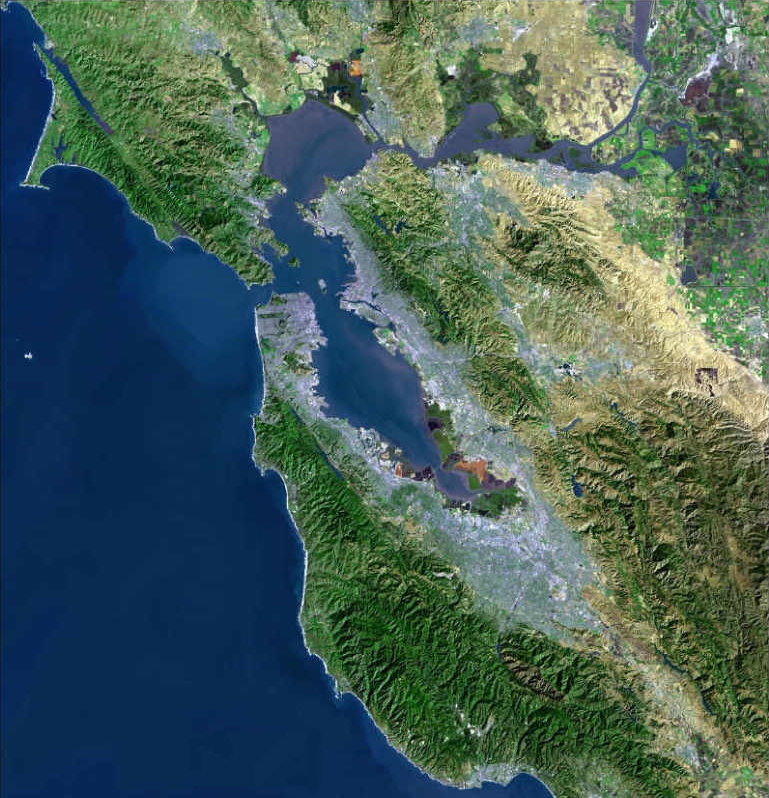
Dillon Beach is a tiny, laid-back coastal village tucked into the southwestern corner of Marin County, California, perched where the rolling grasslands of the Point Reyes peninsula meet the Pacific Ocean. With only a few hundred year-round residents, the community has the feel of a classic Northern California beach hamlet — a scattering of homes, cottages, and vacation rentals gathered around a wide, driftwood-strewn shoreline. It is best known for its long sandy beach, its quiet, end-of-the-road atmosphere, and as a relaxed base from which to explore the wider Sonoma–Marin coast. The nearest major city is San Francisco, lying roughly 50 miles to the south-southeast across the Richmond–San Rafael corridor, while the larger towns of Petaluma and Santa Rosa sit a comparable distance inland to the east and northeast.
Just a short drive south of Dillon Beach lies Point Reyes National Seashore, one of the most celebrated stretches of protected coastline in the United States. About 20 minutes away by car, the seashore offers nearly 100,000 acres of windswept headlands, forested ridges, and historic ranches, with highlights that include the Point Reyes Lighthouse, the elephant seal viewing areas at Drake's Beach, and the towering cliffs of the Earthquake Trail. Visitors come for hiking, whale watching in winter and spring, and some of the foggiest, most cinematic scenery in California.
A few miles to the north, Tomales Bay — roughly a 10- to 15-minute drive — cuts a long, narrow inlet between Dillon Beach and the Sonoma Coast, and is the heart of the region's oyster industry. Towns like Marshall and Nick's Cove along its shores are known for waterfront oyster farms, kayaking outfitters, and casual seafood restaurants. The calm, shallow waters make the bay one of the most popular paddling destinations in the Bay Area, and a long, scenic drive runs much of its length with frequent pull-offs for picnics and tidepooling.
To the northwest, roughly 45 minutes up the coast, Fort Ross preserves the remains of a nineteenth-century Russian colonial settlement perched on a bluff above the Pacific. The reconstructed wooden stockade, officer's barracks, and small chapel offer an unexpected slice of Russian and Alaskan fur-trade history, while the surrounding Salt Point and Sonoma Coast state parks add tide pools, old-growth forests, and campgrounds to the itinerary.
Dillon Beach makes a compelling base for short-term rentals precisely because it offers a rare combination of seclusion and access. Guests can spend their days hiking at Point Reyes, kayaking Tomales Bay, or driving the dramatic Sonoma Coast, then return each evening to a quiet, slow-paced village where the rhythm is set by tides and fog horns rather than traffic. Its proximity to both the Bay Area and Wine Country also gives owners a steady draw of weekenders, wine tasters, and outdoor travelers looking for a coastal stay that feels worlds away from the city.
Want to know if a property in Dillon Beach is a good investment?
Enter an address to get instant revenue potential and comps.