
Colusa, California
Want to see how Colusa compares to other top cities in California? Explore all city regulations in California. →
Colusa, CA
Challenging To Investors
STR Regulations for Colusa, California
Overview: Are short‑term rentals allowed?
- City of Colusa (municipal): No city-specific short-term rental (STR) or vacation rental ordinance was identified. The city’s Housing Element does not reference any STR licensing, caps, or prohibitions. As a result, no city permit, registration, or local fee has been established for STRs in the City of Colusa at the time of this analysis.
- Colusa County (unincorporated): Short‑term lodging is allowed under the County Zoning Code when classified as a Recreational Lodging Facility, with distinct subcategories and standards:
- Farmstays (Agricultural visitor lodging)
- Duck clubs and hunting/fishing clubs
- Outdoor recreation lodging
- Bed and Breakfast Inns (B&Bs)
- Important distinction: County rules expressly require owner occupancy and guestroom caps for Farmstays and B&Bs. A “stand‑alone” vacation rental that is not owner‑occupied (i.e., not a farmstay or B&B) is not expressly authorized by the provided materials. Investors should treat the recreational lodging pathway as the permitted route for STR‑type operations.
- State (California): All transient lodging is subject to the Uniform Transient Occupancy Tax (TOT). Operators must collect and remit TOT. Additionally, lodging facilities must comply with the California Retail Food Codes when meals are provided.
Bottom line: In the City of Colusa itself, no STR-specific regulations were found. In Colusa County (unincorporated areas), STR‑type operations are allowed only under the Recreational Lodging Facility provisions of County Zoning Code section 44‑4.100, with owner‑occupancy and guestroom caps for farmstays and B&Bs, plus county licensing and TOT compliance.
What do Airbnb hosts actually earn in Colusa?
Colusa hosts earn a median $15,647/year with $132 ADR and 46% occupancy.
Top performers pull in $25,833+ per year.
See the full Colusa market breakdownHow to start a short‑term rental business in this market
- Confirm zoning and eligibility (County)
- Identify the subject parcel’s zoning and check whether lodging is an allowed use in that zone per Article 44‑2 (Zoning Classifications, Allowed Uses, and Development Standards) and section 44‑4.100 (Recreational Lodging Facilities).
- If you intend to operate a farmstay or B&B, confirm that owner occupancy and guestroom limits fit your business plan.
- Obtain county permits and approvals (as applicable)
- Use Permit: Typically required when a proposed lodging use exceeds the general standards or is not expressly permitted by right in the zone. Many lodging facilities in residential/agricultural zones will require a Use Permit.
- Temporary Use Permit: Required for ancillary events (e.g., weddings, receptions, fundraisers) attended by non‑guests at B&Bs or farmstays.
- Conditional Use Permit: May be required for B&Bs seeking ancillary activities or larger operations per local procedures.
- Health and safety
- Environmental Health approval is required for water, sewage disposal, and kitchen facility compliance. Demonstrate that the site meets health standards before operating.
- Lodging must have direct access to a maintained road; entrance, parking, and walkways must remain unobstructed.
- Five or fewer guestrooms: Typically treated as a single‑unit residential dwelling/lodging house for building code purposes. Six or more guestrooms trigger additional building code requirements.
- Business registration and taxes (County Code Chapters 18A and 10)
- Post a valid County business license in a conspicuous place on the premises prior to operation.
- Register, collect, and remit Transient Occupancy Tax (TOT) per Chapter 18A; follow county filing and payment procedures.
- Ancillary events
- For non‑guest events at a farmstay or B&B, obtain a Temporary Use Permit or Conditional Use Permit as applicable and comply with conditions limiting frequency, hours, and maximum attendance.
- Operations
- Comply with outdoor lighting limits (Section 44‑3.30) to minimize light trespass.
- Maintain safe access, egress, and housekeeping consistent with health and safety standards.
Required documents, permits, licenses, and guidelines
- County Use Permit (for lodging in zones where a Use Permit is required by Article 44‑2; also required if general standards are exceeded)
- County Conditional Use Permit (CUP), when seeking ancillary activities or where the zoning requires CUP for lodging
- County Temporary Use Permit (for ancillary events attended by non‑guests)
- County Business License (post prior to operation per Chapter 10)
- Transient Occupancy Tax registration and ongoing filings per Chapter 18A
- Environmental Health approvals for water, sewage disposal, and kitchen facilities
- Demonstration that the site meets health, road access, and parking requirements
- Fire safety compliance consistent with building code classifications; note that five or fewer guestrooms are generally considered a single‑unit residential dwelling or lodging house for building code purposes
- Documentation confirming compliance with Section 44‑3.30 (Outdoor Lighting), if applicable
Specific regulations (City, County, and State)
City of Colusa (municipal)
- No city‑specific STR ordinance, registration, or cap identified in the provided documents.
- STR operators should verify whether the City of Colusa has adopted any municipal STR rules after August 2020; otherwise, defer to county requirements.
Colusa County Zoning – Recreational Lodging Facilities (section 44‑4.100)
General standards (section 44‑4.100.010)
- Health and infrastructure: Must satisfy Environmental Health Division standards for kitchen, water, and sewage disposal.
- Access and safety: Direct access to a maintained road; entrance, parking area, and walkways must remain unobstructed. With the exception of farmstays, illumination must comply with outdoor lighting standards (Section 44‑3.30).
- Building code: Five or fewer guestrooms are treated as a single‑unit residential dwelling or lodging house for building codes. Six or more guestrooms within one structure trigger further building code requirements.
- Business compliance: Operation is subject to County TOT (Chapter 18A) and business licenses (Chapter 10). Post the business license conspicuously on the premises before operating.
- Ancillary events: Weddings, receptions, fundraisers, or similar non‑guest activities may be allowed with a Conditional Use Permit or Temporary Use Permit, as applicable.
- Use Permit: If a proposed use does not meet general standards or exceeds allowed scope, a Use Permit is required.
Farmstays (section 44‑4.100.020)
- Agricultural qualification: Demonstrate the site meets minimum agricultural or grazing qualifications consistent with Williamson Act criteria.
- Capacity limits: Maximum four guest rooms and up to eight guests at any one time.
- Owner occupancy: The property owner must reside on-site in either the primary or secondary dwelling.
- Meals: May serve meals only to overnight guests; meal price must be included in the overnight accommodation rate and comply with California Retail Food Codes enforced by the County.
- Non‑qualifying uses: May be considered as Bed and Breakfast Inns under Subsection J.
Duck clubs and hunting/fishing clubs (section 44‑4.100.030)
- Minimum lot size: 20 acres.
- Density: Maximum density of one cabin per five acres or two guest rooms per five acres.
- Cabins: Up to two bedrooms, may include kitchen facilities; max 1,500 square feet; max height 16 feet (unless a Flood Zone Development Permit is required). Cabins must meet the same setbacks as primary structures in the zoning classification; 10‑foot minimum distance between buildings on the same lot. Cabins may be manufactured or mobile homes.
- Lodge facility: Guest rooms may be in hotel/dormitory-style facilities subject to the zone’s size, height, setback, and other development standards.
- Meals: No limits on the number or serving times of meals.
- On‑site water/wastewater: Capacity must be demonstrated via percolation tests, water table height identification, 100‑foot setback between wells and on‑site wastewater systems, and all Environmental Health requirements.
Bed and Breakfast Inns (section 44‑4.100.040)
- Guestrooms: Up to 12 guest rooms contained within the primary and secondary dwelling units, consistent with the zone’s development standards.
- Secondary units: May have up to two secondary dwelling units provided setback, lot coverage, and other development standards are met.
- Owner occupancy: The property owner must reside in either the primary or secondary dwelling on site.
- Meals: Service limited to registered guests; breakfast and light snacks may be included in the room rate and must comply with California Retail Food Codes (Health and Safety Code Section 113893).
- Ancillary events: Limited non‑guest events allowed via Conditional Use Permit, with conditions covering frequency, hours, maximum attendees, and offsets for impacts. Food preparation beyond breakfast and light snacks is prohibited unless expressly authorized by the Use Permit. Temporary Use Permit may be processed for special events not authorized under the CUP.
- Temporary Use Permit: If special events are not covered by a CUP, they may be processed under Temporary Use Permit provisions, subject to neighborhood protections and limitations.
State of California
- TOT: All transient lodging operators must collect and remit transient occupancy taxes per California’s framework; Colusa County administers Chapter 18A locally.
- Retail Food Codes: When meals are served (e.g., B&Bs), operators must comply with California Retail Food Codes enforced by the County Health Officer (Health and Safety Code Section 113893).
Local authority contacts and contact information
- Colusa County – Planning Department (zoning and use permits)
- 346 5th Street, Suite 101, Colusa, CA 95932
- Phone: 530‑458‑0486
- Colusa County – Environmental Health Division (health permits and approvals)
- 251 E. Webster Street, Colusa, CA 95932
- Phone: 530‑458‑0373
- County Tax Collector/Treasurer (Transient Occupancy Tax administration)
- 346 5th Street, Colusa, CA 95932
- Phone: 530‑458‑3210
- County Treasurer‑Tax Collector (TOT/Transient Occupancy Tax)
- 346 5th Street, Colusa, CA 95932
- Phone: 530‑458‑3210
- Colusa County – Sheriff’s Office (animal control and code enforcement)
- 751 Oak Street, Colusa, CA 95932
- Phone: 530‑458‑0200
- City of Colusa (municipal contact)
- 425 Webster Street, P.O. Box 1063, Colusa, CA 95932
- Phone: 530‑458‑4941
- Website: www.cityofcolusa.com
Links to source pages
- County of Colusa – Zoning Code: Special Use Provisions (Article 44‑4; Recreational Lodging Facilities: section 44‑4.100) — www.countyofcolusaca.gov/DocumentCenter/View/5220
- City of Colusa – Housing Element Update 2020–2028 (Public Draft No. 1, August 27, 2020) — www.hcd.ca.gov/housing-elements/docs/colusa-6th-draft090220.pdf
Notes for STR investors:
- Because the City of Colusa has no identified STR ordinance, most regulatory questions will be governed by the Colusa County Zoning Code, County business licensing, and TOT.
- The County’s Recreational Lodging Facility categories (farmstays, clubs, and B&Bs) include explicit owner‑occupancy and capacity limits. A non‑owner‑occupied “vacation rental” is not explicitly authorized by the provided zoning text and should be evaluated via a Use Permit application with County Planning.
- For B&Bs and farmstays, plan and budget for Use/CUP/TUP processes, Environmental Health approvals, lighting compliance, and business license/TOT administration.
- For ancillary events, secure appropriate permits and anticipate conditions restricting frequency, hours, and attendance to maintain residential character.
Next step
Found a property in Colusa?
Paste any address and get estimated revenue, cash-on-cash return, and comparable STR performance in under 5 minutes. 3 free analyses per day.
Free brief
Get the free Colusa STR Investment Brief
Revenue data, top neighborhoods, seasonal trends, and the key regulations for Colusa, California in one email.
Colusa
Market Saturation Score
Photos of Colusa


Overview of Colusa
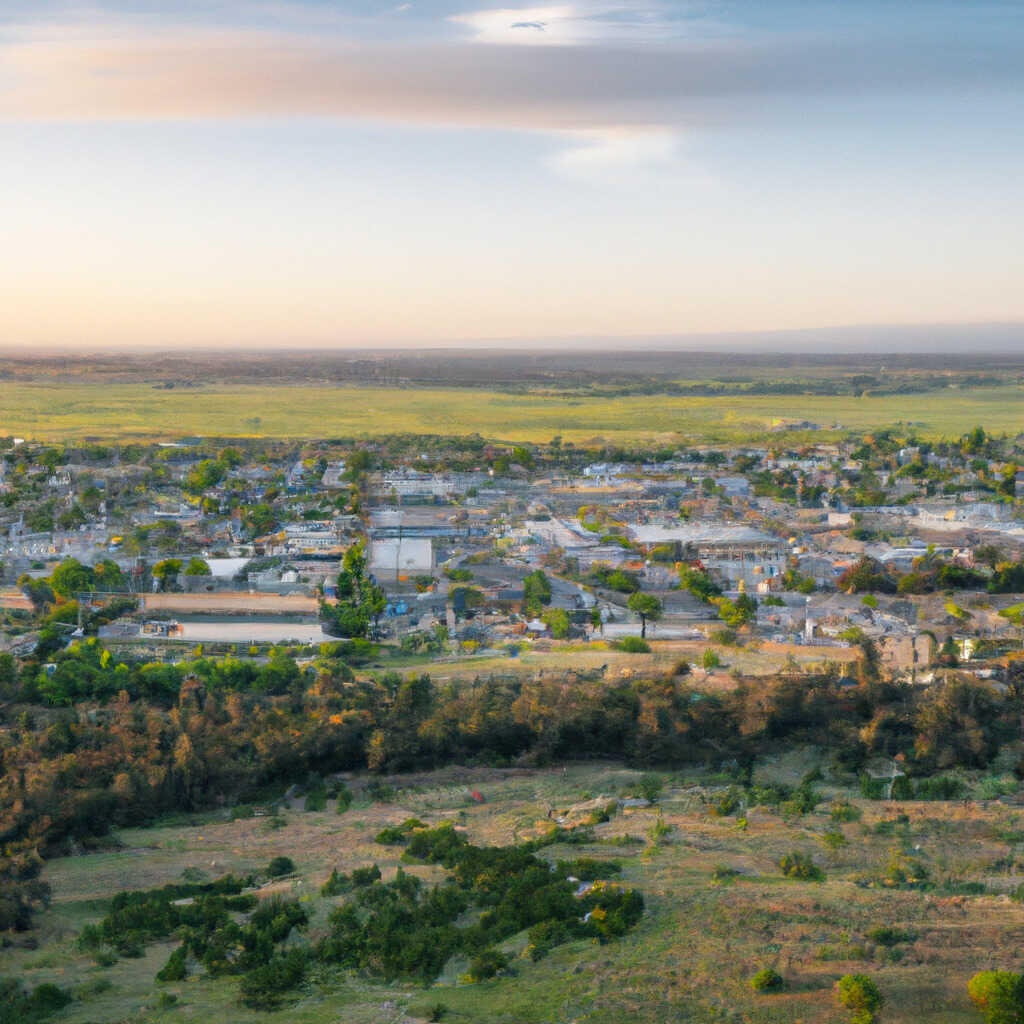
Colusa is the seat of Colusa County, a small agricultural community in the northern Sacramento Valley of California. With a population of roughly six thousand, it carries the unhurried character of a working farm town, ringed by rice paddies, almond orchards, and walnut groves, and it functions as a quiet gateway to the Sacramento River corridor and the wider valley. Travelers often pause here while driving between Sacramento and the Mendocino coast, or as a base for exploring the surrounding wildlife refuges and farm country. Colusa sits about sixty-five miles north of Sacramento and roughly fifty miles west of Yuba City, with easy access off Interstate 5.
The Sacramento River is the heart of the area, and the greenbelt that lines its banks gives the town a softer setting than one might expect from the dry valley floor. Public access points along the river offer fishing for striped bass, salmon, and catfish, while the adjacent riparian habitat draws herons, egrets, hawks, and seasonal flocks of migratory waterfowl. Colusa National Wildlife Refuge, a few miles south of town, protects thousands of acres of wetlands and is one of the most reliable birding destinations in the region, especially during winter when geese and ducks arrive in great numbers.
Just south of the city center, the Colusa Casino Resort, operated by the Colusa Rancheria of the Colusa Indian Community, provides lodging, dining, and entertainment and is one of the larger employers in the county. Its tower is a recognizable landmark along the I-5 corridor and a common point of reference for visitors approaching town.
To the east, across the broad flat of the valley, the Sutter Buttes rise abruptly from the farmland, a circular cluster of volcanic domes often called the world's smallest mountain range. From Colusa the peaks are visible on clear mornings, and a guided hike through the area, organized by the Middle Mountain Foundation, begins about an hour's drive east in the small town of Sutter. Farther afield, Lassen Volcanic National Park lies roughly three hours to the northeast, and the Mendocino coast is a similar drive to the west.
Colusa's appeal for a short-term rental comes from this layered geography: a calm, walkable historic core, a working agricultural landscape, river and wetland recreation at the doorstep, and bigger Northern California destinations within a half-day's drive. It suits travelers who want a slower, more rural base while still keeping the Sacramento Valley, the Sutter Buttes, and the coast within reach.
Want to know if a property in Colusa is a good investment?
Enter an address to get instant revenue potential and comps.