
Arivaca, Arizona
Want to see how Arivaca compares to other top cities in Arizona? Explore all city regulations in Arizona. →
Arivaca, AZ
Generally Investor Friendly
STR Regulations for Arivaca, Arizona
Executive overview: Yes—short‑term rentals are allowed in Arivaca, AZ. Arivaca is in unincorporated Pima County, and Arizona state law expressly preempts local governments from prohibiting vacation rentals and short‑term rentals. Counties (including Pima) may regulate STRs only for specific purposes such as health and safety, zoning/nuisance, and certain prohibited uses; counties may also require a local regulatory permit/license, contact information for a 24/7 designee, neighbor notification, permit/license number on advertisements, and minimum liability insurance. No separate Arivaca town‑level ordinance is evident in the provided materials; investors should follow Arizona statutes and any Pima County code, rules, and administrative procedures.
How to Start a Short‑Term Rental Business in Arivaca, AZ
- Confirm eligibility and property fit
- Ensure the property is in unincorporated Arivaca and is a single‑family or one‑to‑four‑family dwelling, or a condominium/cooperative unit, that qualifies as a transient public lodging establishment or owner‑occupied residential home offered for transient use (A.R.S. § 11‑269.17(L)(3)).
- Confirm zoning allows residential use and short‑term rental activity. Pima County may apply use and zoning ordinances to STRs in the same manner as other residential properties. Verify current Pima County zoning or HOA restrictions directly.
- Obtain Arizona Transaction Privilege Tax (TPT) license (required before applying for a local permit/license)
- Apply with the Arizona Department of Revenue (AZDOR) for a TPT license.
- Use appropriate business activity codes for transient lodging.
- File and remit TPT per AZDOR schedules based on estimated annual tax liability (monthly/quarterly/annual). If you use online lodging marketplaces that collect/remit lodging taxes, use the correct reporting adjustments so you are not taxed twice on platform‑processed revenue; consult AZDOR instructions for the specific deduction/credit for marketplace‑collected tax.
- A valid TPT license is a required submittal for a Pima County STR permit/license if Pima requires one.
- Secure liability insurance
- Maintain liability insurance in the aggregate of at least $500,000, or demonstrate that your listings are offered exclusively via an online lodging marketplace that provides equal or greater coverage. Keep proof on hand for county review.
- Designate a 24/7 response contact and local designee (if applicable)
- Provide contact information for the owner or a designee who can respond in person if required by public safety personnel, by phone, or by email at any time of day. Update this information promptly if it changes. Ensure your property management arrangements can meet a 24/7 response obligation.
- Complete neighbor notification before first offering for rent
- Notify adjacent single‑family properties (direct, side, and diagonal across the street). For multifamily buildings, notify residents on the same floor as the STR. Pima County may also require notifying registered neighborhood associations or HOAs within a specified radius; confirm the radius and process with Pima County.
- The notice must include the STR address, the owner/designee contact information, and—if required—the permit or license number.
- Retain proof of notification (e.g., certified mail receipts) and submit any attestation/affidavit Pima County requires to document compliance.
- Apply for a Pima County STR permit/license (if required)
- If Pima County requires a local regulatory permit/license, submit a complete application within the county’s application window. Counties must issue or deny within seven business days of receiving the required information and otherwise in accordance with A.R.S. § 11‑1602, and may deny only for specified reasons (e.g., incomplete application, non‑payment of fees, false information, a suspended permit/license for the same property, or certain criminal history/disqualifiers).
- Application fees cannot exceed the county’s actual cost or $250, whichever is less.
- Display permit/license number on all advertisements
- Include the local regulatory permit/license number on every advertisement (e.g., Airbnb, Vrbo, social media). If Pima County does not require a permit/license, it may instead require displaying the TPT license number on advertisements.
- Operational readiness and compliance systems
- Prepare safety equipment and a site map for responders (smoke alarms, CO detectors, fire extinguishers) if Pima County requires it as part of the application.
- Establish protocols to prevent non‑residential uses (special events requiring permits, retail, restaurant, banquet, event centers, or similar).
- Build a compliance record‑keeping system to track violations, responses, and communications.
- Launch and ongoing obligations
- After approval, list the property and operate in full compliance with all state statutes and Pima County requirements.
- Monitor license/permit status, file TPT returns on time, maintain insurance, and keep neighbor/designee contact information current.
- Optional: check for pending state bills
- Monitor Arizona Legislature for any bills that would modify STR rules. As of the latest available information, HB2740 (2025) was referred to the House Rules Committee and had not become law; do not rely on it unless and until it passes.
What do Airbnb hosts actually earn in Arivaca?
Arivaca hosts earn a median $10,203/year with $108 ADR and 34% occupancy.
Top performers pull in $13,727+ per year.
See the full Arivaca market breakdownRequired Documents, Permits, Licenses, and Guidelines
Arizona and Pima County STR prerequisites (based on A.R.S. § 11‑269.17 and typical county procedures):
-
Local regulatory permit/license (if Pima requires it)
- Application fee capped at the lesser of actual cost or $250.
- Application must include:
- Name, address, phone, and email for the owner or owner’s agent.
- Address of the STR.
- Proof of compliance with A.R.S. § 42‑5005 (Arizona TPT license).
- 24/7 contact information (owner or designee).
- Acknowledgment of agreement to comply with all applicable laws, regulations, and ordinances.
- The county must issue or deny within seven business days of receiving required information and otherwise in accordance with A.R.S. § 11‑1602; denials are limited to specified grounds (incomplete info, fee non‑payment, false information, existing suspension for the same property, certain criminal disqualifiers).
-
Arizona TPT License
- Required before offering the STR for rent.
- Obtain via AZDOR and file/ remit per schedule based on estimated annual tax liability.
- If you use online lodging marketplaces that collect/remit taxes, use the correct adjustments so you are not double‑taxed.
-
Liability insurance
- At least $500,000 aggregate, or listing exclusively via an online lodging marketplace that provides equal or greater coverage.
-
Neighbor notification
- Pre‑rental notice to adjacent properties (single‑family) or same‑floor units (multifamily).
- Include STR address and 24/7 contact information; include permit/license number if required.
- Pima County may require certified mail and attestation; confirm process with the county.
-
Advertisement disclosure
- Display the local regulatory permit/license number on each advertisement.
- If no local permit/license is required, the county may require display of the TPT license number.
-
Zoning/use compliance
- Comply with Pima County residential zoning and nuisance ordinances; do not use the STR for nonresidential purposes (special events, retail, restaurant, banquet, or other similar uses).
-
Property tax and assessor registration
- Maintain any required records with the county assessor per A.R.S. title 33, chapter 17, article 1 for residential rental property.
-
Safety and readiness
- Provide safety equipment and, if required, a site map for emergency responders.
Specific Regulations: Arivaca (Pima County) and Arizona State
-
State preemption and prohibition ban
- Counties may not prohibit STRs (A.R.S. § 11‑269.17(A)).
- Counties may not restrict STR use or occupancy based on classification, except as provided in the statute.
-
County regulation scope
- Counties may regulate STRs in unincorporated areas for:
- Public health and safety (fire/building codes, health/sanitation, traffic control, solid/hazardous waste, pollution control), if primarily for health and safety.
- Use and zoning ordinances, including noise, welfare protection, property maintenance, and nuisance issues, applied in the same manner as other residential properties under A.R.S. §§ 42‑12003 and 42‑12004.
- Prohibiting or limiting certain uses (housing sex offenders; sober living homes; selling illegal drugs; liquor control; pornography/obscenity; nude/topless dancing; other adult‑oriented businesses).
- Counties may regulate STRs in unincorporated areas for:
-
Permit/license, contact information, and advertisements
- Counties may require a local regulatory permit/license with specified submittals and fee caps.
- Counties may require 24/7 contact information for owner/designee.
- Permit/license number must appear on all advertisements (or TPT license number if no permit/license is required).
-
Neighbor notification before first rental
- Notify adjacent single‑family properties (and directly across the street), and in multifamily buildings notify units on the same floor as the STR. A county may require additional notifications upon contact changes. Provide an attestation with permit/license number (if required), addresses notified, how notice was provided, and attester’s contact information.
-
Insurance
- Maintain at least $500,000 in liability insurance or list exclusively via a marketplace with equal or greater coverage.
-
Enforcement and penalties
- Verified violations within a 12‑month period may trigger civil penalties and administrative suspension:
- First verified violation: up to $500 or one night’s rent (whichever is greater).
- Second verified violation: up to $1,000 or two nights’ rent (whichever is greater).
- Third and subsequent verified violations: up to $3,500 or three nights’ rent (whichever is greater).
- A county that requires permits/licenses must adopt an ordinance enabling administrative suspension for up to 12 months for verified violations, including:
- Three verified violations within 12 months (excluding certain aesthetic/solid waste/vehicle parking violations unless posing a serious threat to health/safety).
- One verified violation involving specified serious conduct (felonies at or near the property; serious physical injury or wrongful death caused by owner/designee; knowingly/intentionally housing a sex offender or facilitating prohibited adult‑oriented uses; or using the STR for special events or retail/restaurant/banquet‑type uses).
- Felony acts arising from STR occupancy/use resulting in death or serious physical injury may be grounds for judicial relief suspending STR use for up to 12 months.
- Unlicensed operation: If a county has a permit/license process and an STR fails to apply within 30 days of the process being available, the STR must cease operations. After written notice, the county may impose up to $1,000 per month for failure to apply.
- Verified violations within a 12‑month period may trigger civil penalties and administrative suspension:
-
Citation notice and multiple violations from one incident
- If the owner/designee has provided contact information, the county must make a reasonable attempt to notify them of a citation within seven business days using the provided contact.
- If multiple violations arise from the same incident response, they are counted as one violation for penalty and suspension purposes.
-
Nonresidential use prohibition
- STRs may not be used for nonresidential purposes, including special events that require a permit/license or for retail, restaurant, banquet, event centers, or similar uses.
-
Online lodging marketplace background checks
- If a county requires sex offender background checks on guests, it must waive the requirement if an online lodging marketplace performs such a check of the booking guest.
-
Definitions
- “Online lodging marketplace” and “transient” have the meanings in A.R.S. §§ 42‑5076 and 42‑5070.
- “Vacation rental” or “short‑term rental” means an individually or collectively owned single‑family or one‑to‑four‑family house/dwelling unit or any unit/group of units in a condominium/cooperative that is also a transient public lodging establishment or owner‑occupied residential home offered for transient use, if the accommodations are not classified for property taxation under A.R.S. § 42‑12001. Excludes units used for nonresidential purposes.
-
Tax reporting and licensing integrity
- Maintain a valid TPT license and timely filings; tax noncompliance can trigger license suspension and jeopardize STR operations if a county ties STR permit validity to active tax compliance.
Note on local rules: The provided sources do not include Pima County’s specific STR ordinance or application portal. The above reflects Arizona statutory requirements and typical county processes; verify current Pima County code, forms, fees, and procedures directly.
Contact Information (Local Authority in Charge of STRs)
-
Pima County Development Services / Planning and Zoning
- Primary permitting authority for unincorporated areas like Arivaca.
- Phone: 520‑724‑9000
- Website: webcms.pima.gov/government/planning_and_zoning/
-
Arizona Department of Revenue (AZDOR)
- For TPT licensing and filings.
- Phone: 602‑771‑7100
- Website: azdor.gov
Always confirm current application portals, forms, fees, and processes with the county before applying.
Source Links
- Arizona Revised Statutes § 11‑269.17 (2024) – Limits on regulation of vacation rentals and short‑term rentals; state preemption; civil penalties; transaction privilege tax license suspension; definitions
- Arizona Revised Statutes § 11‑269.17 (2021 version) – earlier statute text for comparison
- Arizona HB2740 (2025) – Vacation rentals; short‑term rentals; regulation (bill status; not enacted)
- Background article on Arizona STR regulatory climate (helpful context)
- Example municipal implementation (Phoenix) – not binding on Arivaca; provided for comparative insight only
Next step
Found a property in Arivaca?
Paste any address and get estimated revenue, cash-on-cash return, and comparable STR performance in under 5 minutes. 3 free analyses per day.
Free brief
Get the free Arivaca STR Investment Brief
Revenue data, top neighborhoods, seasonal trends, and the key regulations for Arivaca, Arizona in one email.
Arivaca
Market Saturation Score
Photos of Arivaca


Overview of Arivaca
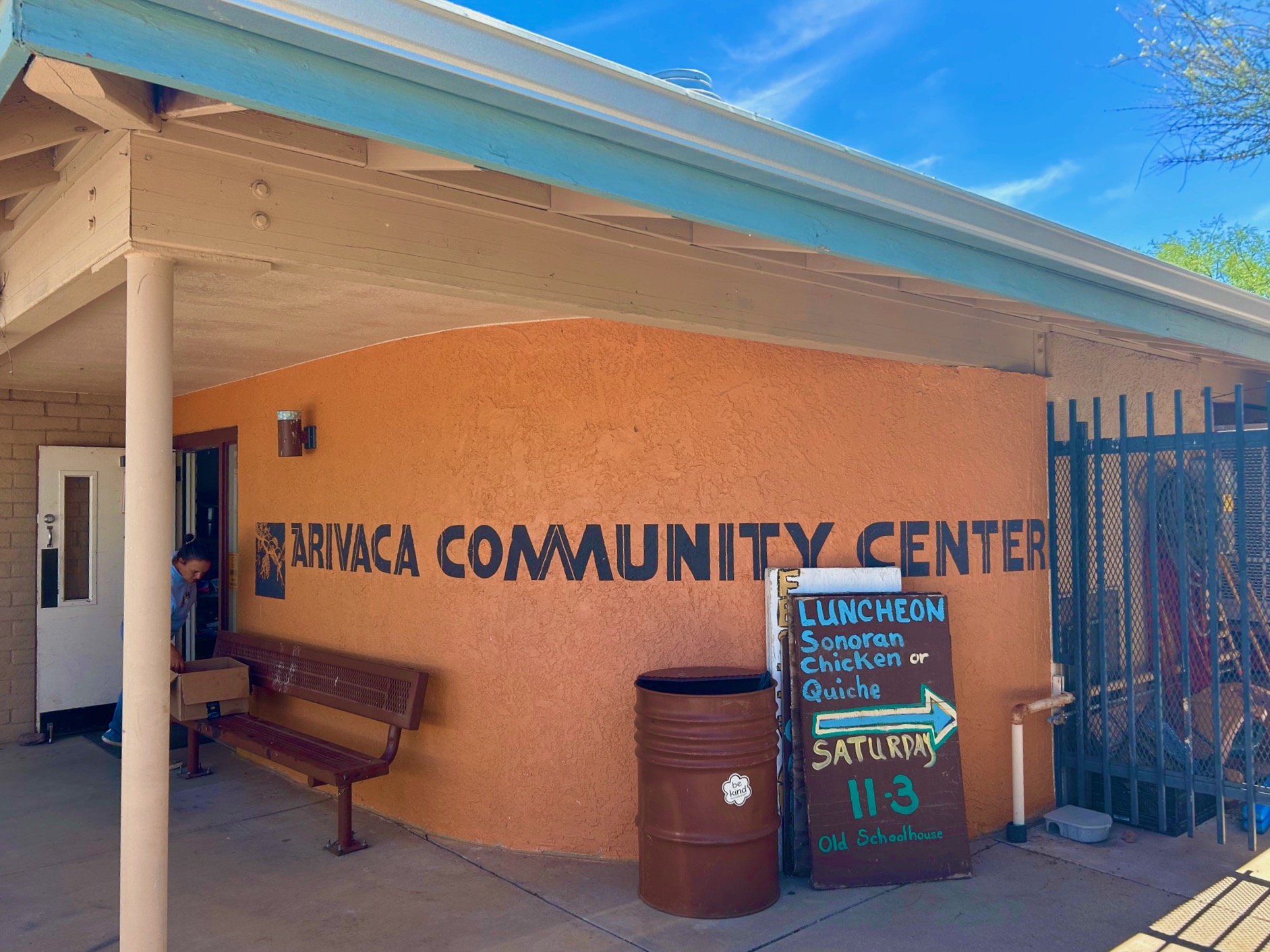
Arivaca is a small unincorporated community in Pima County, Arizona, with a population of roughly 700 residents. Tucked into the rolling grasslands and oak-studded hills of the Altar Valley, it has a quiet, artsy character shaped by its nineteenth-century origins as a mining and ranching settlement. The community is best known as a gateway to the Buenos Aires National Wildlife Refuge and to the broader Sonoran Desert borderlands, and it sits about 60 to 70 miles southwest of Tucson, the nearest major city, with a typical drive of around an hour and a half.
West of town, Buenos Aires National Wildlife Refuge protects one of the largest remaining stands of native Sonoran and Chihuahuan desert grassland in the United States. Spanning more than 100,000 acres, the refuge offers wildlife drives, hiking trails, and birding opportunities, with the chance to spot species such as the masked bobwhite quail, pronghorn, and a wide variety of raptors. The refuge headquarters and main visitor area are roughly a 40-minute drive west of Arivaca along a well-maintained road.
Within the community itself, the historic Arivaca Plaza and the adjacent Arivaca Stage Station anchor the town and reflect its roots as a stopping point on old travel and supply routes. The plaza, with its surrounding adobe-era buildings, now houses small galleries, a café, and a community library, and serves as the de facto center of local life. The nearby Arivaca Cienega and Arivaca Lake, just a few minutes from the plaza, are local draws for birdwatchers and anglers, especially in the cooler months when migratory species pass through.
East of Arivaca, the ghost town of Ruby, Arizona lies at the end of a roughly hour-long drive over a graded road. Once a busy mining camp, Ruby is now a quiet cluster of preserved ruins set against the dramatic peaks of the Pajarito Mountains and is a popular destination for day-tripping history buffs and photographers. The route itself, threading through rolling desert grassland, is part of the appeal.
Arivaca's combination of small-town character, dark desert skies, and proximity to both wildlife-rich public lands and the cultural offerings of southern Arizona makes it a quietly compelling base for short-term rentals. Guests tend to come for the peace, the birding, and the sense of stepping back from busier travel circuits, while still being within an easy reach of Tucson, the wine country around Sonoita, and the historic mission sites of the upper Santa Cruz Valley.
Want to know if a property in Arivaca is a good investment?
Enter an address to get instant revenue potential and comps.