
Bryant, Alabama
Want to see how Bryant compares to other top cities in Alabama? Explore all city regulations in Alabama. →
Bryant, AL
Generally Investor Friendly

STR Regulations for Bryant, Alabama
Overview: Are STRs allowed in Bryant, AL?
Yes—short-term rentals (e.g., Airbnb, VRBO) are legally permissible in Bryant, Alabama as of this guide. Alabama is a property-rights state that does not have a state-level prohibition on STRs. STRs are allowed provided you comply with applicable state, county, and municipal requirements, plus any applicable zoning or HOA/COA covenants. In Baldwin County, you should plan to comply with Alabama lodging taxes, county-level administration, and city requirements if your property lies within city limits or a municipal police jurisdiction. Note that some Alabama beach communities have adopted STR ordinances—see the “Orange Beach ordinance” note below for context on coastal restrictions and what that might signal for inland jurisdictions.
What do Airbnb hosts actually earn in Bryant?
Bryant hosts earn a median $56,713/year with $178 ADR and 90% occupancy.
Top performers pull in $77,510+ per year.
See the full Bryant market breakdownHow to start an STR business in this market
- Verify zoning and jurisdiction
- Confirm whether your property is inside the City of Bryant’s corporate limits or within any city’s police jurisdiction. If it is, municipal rules may apply.
- If the property is in a planned community or condominium, review HOA/COA covenants for rental policies and obtain any required approvals. Even “residential use only” covenants may limit or prohibit short-term rentals depending on wording and local case law.
- Select the right structure and insurance
- Consider operating under a separate legal entity (LLC or corporation) for liability protection and to maintain clear separation between personal and business use.
- Secure appropriate insurance coverage, including general liability and property coverage tailored for transient rentals. If you plan to list on major platforms, ensure your policy explicitly covers STR activities.
- Set up tax compliance
- Register with the Alabama Department of Revenue (ADOR) for sales, use, and lodging tax accounts. Alabama collects sales and lodging taxes on short-term stays, and you must file and remit these taxes.
- Coordinate with Baldwin County’s tax administration for local lodging tax collection and reporting. Note that adjacent beach cities have lodging fee/tax programs that vary by jurisdiction—verify what applies to Bryant or Baldwin County and whether any municipal lodging taxes are triggered if you’re within a police jurisdiction.
- Obtain required business license and safety approvals
- If your property lies within the City of Bryant’s limits or police jurisdiction, obtain the city’s business license and any applicable rental licensing or inspection.
- City licensing may include posting contact information, emergency procedures, and occupancy limits; plan for safety inspections and fire code compliance.
- Operationalize guest experience and compliance
- Draft house rules covering occupancy, noise, parking, smoking, pets, and trash to mitigate nuisance issues.
- Prepare clear guest communications about local laws, HOA rules (if applicable), and contact details for the responsible party.
- Consider professional property management if you want 24/7 response, guest screening, and enforcement of house rules.
Required documents, permits, licenses, and guidelines
- Business license (City of Bryant if located within city limits or police jurisdiction)
- STR/rental license (if Bryant issues one; in some Alabama municipalities, a specific rental license is required)
- State tax registration (Alabama Department of Revenue) to collect/remit sales and lodging taxes
- County tax registration (Baldwin County) for local lodging tax administration and reporting, if applicable
- HOA/COA approval, if the property is governed by covenants that restrict or regulate rentals
- Insurance coverage appropriate for short-term rentals, including liability protection
- Safety inspection (fire and building code) and occupancy limits as required by local authorities
Note: If the property is governed by covenants, review “residential use only” language carefully. Alabama case law has recognized that traditional “residential use” covenants do not always prohibit short-term rentals absent clear duration-based or explicit prohibition language, but associations and courts often consider factors such as frequency of rentals, advertising, and business-like operations. Check your specific covenants and any board policies.
Specific regulations by jurisdiction
City of Bryant, AL
- No city-specific short-term rental ordinance was identified in the provided sources. Treat STRs as a standard residential rental activity with business licensing requirements within city limits or police jurisdiction. Expect compliance with standard municipal rules for occupancy, safety, and taxes.
Baldwin County, AL
- County-level rules for STRs were not identified in the provided sources. Plan to comply with county-administered lodging tax collection and reporting for short-term stays.
Alabama (State-Level)
- General allowance of STRs in the absence of a state prohibition; operation must comply with state tax requirements (sales and lodging tax) and any relevant local regulations.
- Professional guidance: The majority view across states (including Alabama) is that “residential use only” covenants do not automatically prohibit short-term rentals unless the covenants specify rental duration limits or clearly state a prohibition. Operating a short-term rental in a business-like fashion (frequent turnovers, professional advertising, commercial insurance, holding out as a hotel-like operation) increases the risk that an association or court may find it violates “commercial use” restrictions.
Note: Coastal ordinance snapshot (context only)
- Orange Beach enacted an ordinance restricting short-term rentals in RS1-zoned neighborhoods and does not issue new vacation rental licenses in those areas to protect traditional neighborhoods. This is a coastal example of how local zoning can limit STRs, but it does not directly govern Bryant.
Contact information (for licensing, taxes, and compliance)
Alabama Department of Revenue (Taxes/Sales & Lodging)
- Phone: 334-242-1490
- Purpose: Register for sales and lodging tax; obtain reporting guidance and forms.
Baldwin County Commission (County Administration)
- Phone: 251-937-9564
- Purpose: County-level lodging tax questions; confirm collection/reporting procedures within Baldwin County.
City of Bryant (Licensing and Permits)
- The city’s direct phone and website were not provided in the sources; investors should contact City Hall or the municipal clerk for business license requirements and any rental licensing rules.
- Purpose: Confirm business license, rental licensing, safety inspections, and occupancy limits.
Note: Because Bryant is located within Baldwin County, ensure you determine whether any municipal police jurisdiction rules apply (especially if you’re near Gulf Shores or Orange Beach).
Links to source pages (if available)
- Baldwin County STR overview (Gulf Shores and Orange Beach examples): www.wkrg.com/baldwin-county/what-are-the-short-term-rental-rules-on-alabama-beaches/
- Business license application page (Gulf Shores; demonstrates typical municipal licensing process in Baldwin County): www.gulfshoresal.gov/780/Rental-License
- CAI policy paper (national context on STRs and community associations): www.caionline.org/getmedia/a9752b5e-26ed-47d8-a5b9-8bea3b0014ab/Updated-2023-CAI-Short-Term-Vacation-Rental-Policy-Paper-Oct2024.pdf
- Legal analysis of “residential use only” covenants and short-term rentals (Slaby v. Mountain River Estates, Ala. Civ. App. 2012): law.justia.com/cases/alabama/court-of-appeals-civil/2012/2100498.html
Practical checklist for Bryant investors
- Verify zoning, HOA/COA rules, and whether the City of Bryant or any municipal police jurisdiction rules apply.
- Register for state and county lodging/sales taxes and set up a cadence for filings.
- Obtain the city business license and any rental permit; complete required safety inspections.
- Implement a professional, compliant operating model (insurance, house rules, guest communications).
- Monitor local developments—while Bryant currently has no identified STR-specific ordinance, nearby jurisdictions periodically revise their rules.
This guide reflects only the information provided in the sources. For definitive licensing and tax procedures, contact the City of Bryant, Baldwin County, and the Alabama Department of Revenue directly.
Next step
Found a property in Bryant?
Paste any address and get estimated revenue, cash-on-cash return, and comparable STR performance in under 5 minutes. 3 free analyses per day.
Free brief
Get the free Bryant STR Investment Brief
Revenue data, top neighborhoods, seasonal trends, and the key regulations for Bryant, Alabama in one email.
Bryant
Market Saturation Score
Photos of Bryant
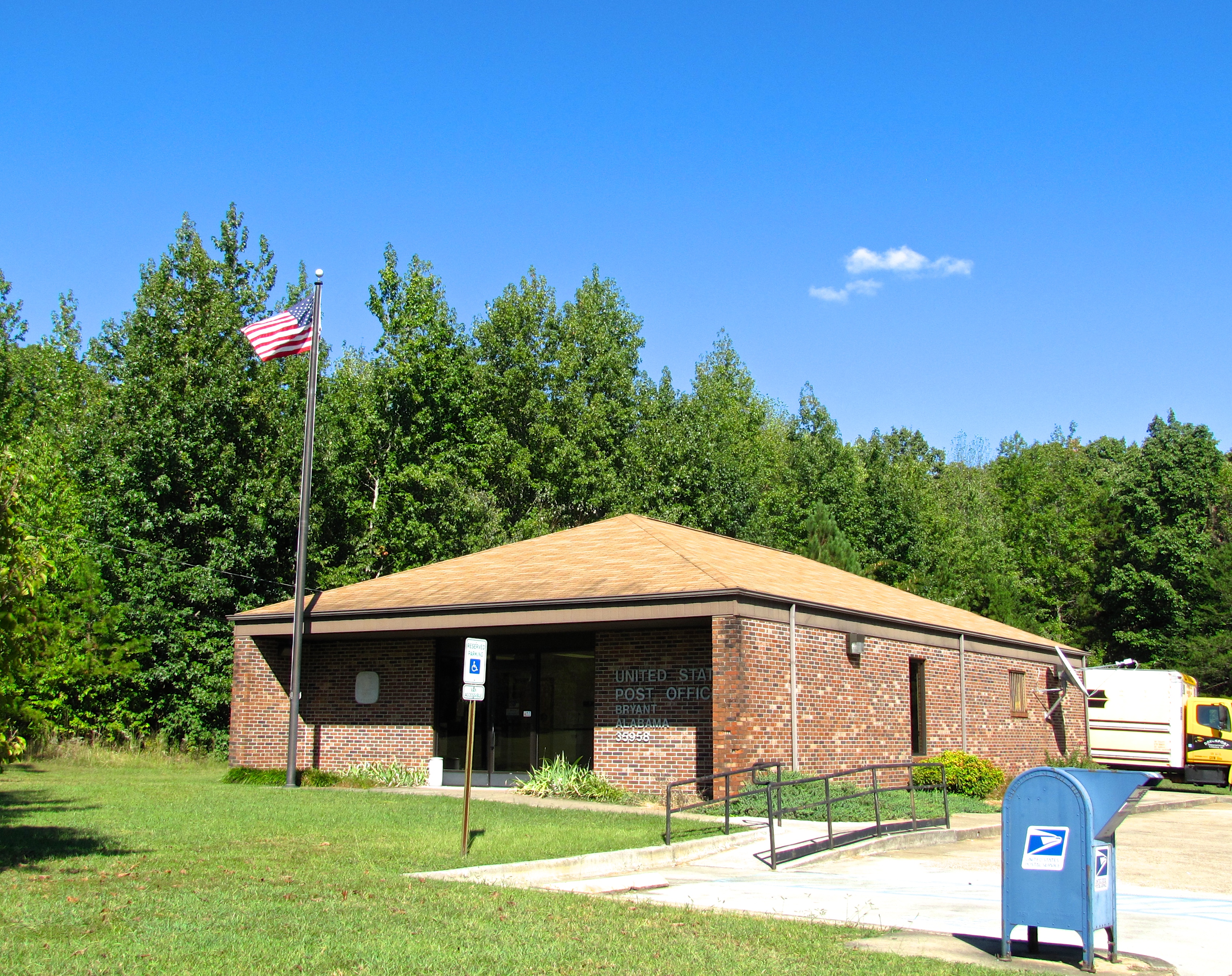
Overview of Bryant
Bryant is an unincorporated community in Jackson County, Alabama, United States. At the 2000 census the population was 3,295.
Want to know if a property in Bryant is a good investment?
Enter an address to get instant revenue potential and comps.